

Why choose us?
WUHAN YOUFU: Your Professional Disposable gown manufacturer!
Wuhan YouFu specializes in the manufacture and export of high-quality disposable nonwoven and plastic products from China, with disposable gowns being among our standout offerings. Our state-of-the-art automatic production lines operate around the clock, ensuring continuous, efficient production to meet global demands.
We pride ourselves on delivering more than just superior products. Our commitment to customer satisfaction lies at the heart of our operations, especially within our dedicated sales department. Our promise to you includes:
Instant Response
24*7 hours online support. We understand the importance of timely communication and ensure prompt replies to all inquiries.
Professional Team
With more than 10years experiences in this industry, our team is well-equipped to provide specialized support and guidance, ensuring that your needs are fully understood and met.
Fast Delivery
Recognizing the critical nature of timely deliveries, we guarantee swift and efficient order processing and shipping.
Quality Control
With rigorous quality assurance processes, we ensure that every product meets our high standards and your expectations.
OEM Available
We offer flexible OEM services, allowing for customized solutions tailored to your specific requirements.
Certified Product
Our products are certified, ensuring compliance with industry standards and regulations.
At Wuhan YouFu, your satisfaction is our priority. We are dedicated to not just meeting, but exceeding your expectations with our products and services.
-
![Disposable CPE Plastic Gown]() Disposable CPE Plastic GownThe Disposable CPE Plastic Gown offers reliable, waterproof protection for healthcare, food processing, and industrial environments. Made from lightweight CPE material, it combines comfort with
Disposable CPE Plastic GownThe Disposable CPE Plastic Gown offers reliable, waterproof protection for healthcare, food processing, and industrial environments. Made from lightweight CPE material, it combines comfort with -
![White CPE Gown]() White CPE GownThis CPE gown is also known as disposable gown, is a kind of isolation gown that made of white CPE material (chlorinated polyethylene). This white CPE gown is widely used as a protected equipment
White CPE GownThis CPE gown is also known as disposable gown, is a kind of isolation gown that made of white CPE material (chlorinated polyethylene). This white CPE gown is widely used as a protected equipment -
![Yellow CPE Gown]() Yellow CPE GownThe disposable yellow CPE gown is a cheap and simple way to protect yourself from harmful microorganisms, body fluids or anything else that may be on the ground. It can also make your job easier by
Yellow CPE GownThe disposable yellow CPE gown is a cheap and simple way to protect yourself from harmful microorganisms, body fluids or anything else that may be on the ground. It can also make your job easier by -
![Blue Isolation Gowns]() Blue Isolation GownsThe full-length Disposable Blue Isolation Gown offers maximum coverage and is economical, comfortable to wear.
Blue Isolation GownsThe full-length Disposable Blue Isolation Gown offers maximum coverage and is economical, comfortable to wear. -
![Yellow Isolation Gowns]() Yellow Isolation GownsThis yellow isolation gown is lightweight but strong enough for normal basic protective use. The nonwoven material is breathable and flexible for wearing. Yellow isolation gown is one of the most
Yellow Isolation GownsThis yellow isolation gown is lightweight but strong enough for normal basic protective use. The nonwoven material is breathable and flexible for wearing. Yellow isolation gown is one of the most -
![Protective Gowns For Hospital]() Protective Gowns For HospitalHospital requires huge amount of disposable protective gowns everyday. The protective gown helps the staffs stay clean, safe and comfortable.
Protective Gowns For HospitalHospital requires huge amount of disposable protective gowns everyday. The protective gown helps the staffs stay clean, safe and comfortable. -
![Medical Gowns Fluid Resistance]() Medical Gowns Fluid ResistanceThis medical gown is used for hospital, healthcare center or patient treatment at home. It is made by high quality special PP+PE material, the PE material is coated all parts of the gown. In this
Medical Gowns Fluid ResistanceThis medical gown is used for hospital, healthcare center or patient treatment at home. It is made by high quality special PP+PE material, the PE material is coated all parts of the gown. In this -
![Disposable Gowns With Four Ties]() Disposable Gowns With Four TiesThis disposable gowns with four ties is for surgical use, reinforced style. The reinforced gowns are made of high-quality SMS fabrics to ensure that they provide strong protection for surgeons
Disposable Gowns With Four TiesThis disposable gowns with four ties is for surgical use, reinforced style. The reinforced gowns are made of high-quality SMS fabrics to ensure that they provide strong protection for surgeons -
![Disposable Protective Gowns]() Disposable Protective GownsLooking for a protective gown that is both comfortable and convenient? Look no further than our disposable protective gowns! Made of high-quality SMS, these gowns are designed to provide you with
Disposable Protective GownsLooking for a protective gown that is both comfortable and convenient? Look no further than our disposable protective gowns! Made of high-quality SMS, these gowns are designed to provide you with -
![Level 2 Gowns]() Level 2 GownsLooking for a lightweight and tough gown that's still breathable and flexible? Our Level 2 Gowns are perfect for you! Made with PP+PE material,PE lamination outside, ties for binding in neck and
Level 2 GownsLooking for a lightweight and tough gown that's still breathable and flexible? Our Level 2 Gowns are perfect for you! Made with PP+PE material,PE lamination outside, ties for binding in neck and -
![Long Sleeve Disposable Gowns]() Long Sleeve Disposable GownsIntroducing our newest and most innovative disposable gown: the long sleeve disposable gowns! This design is perfect for those tough duties where you need lightweight protection that is still
Long Sleeve Disposable GownsIntroducing our newest and most innovative disposable gown: the long sleeve disposable gowns! This design is perfect for those tough duties where you need lightweight protection that is still -
![Disposable Medical Isolation Gown]() Disposable Medical Isolation GownThe disposable medical isolation gown is made of 3layers with waterproof, soft and breathable function. It's perfect for keeping you safe in the OR! The knit cuffs make it easy to get dressed or
Disposable Medical Isolation GownThe disposable medical isolation gown is made of 3layers with waterproof, soft and breathable function. It's perfect for keeping you safe in the OR! The knit cuffs make it easy to get dressed or


All you want to discover about Disposable Gown
What is Disposable gown?
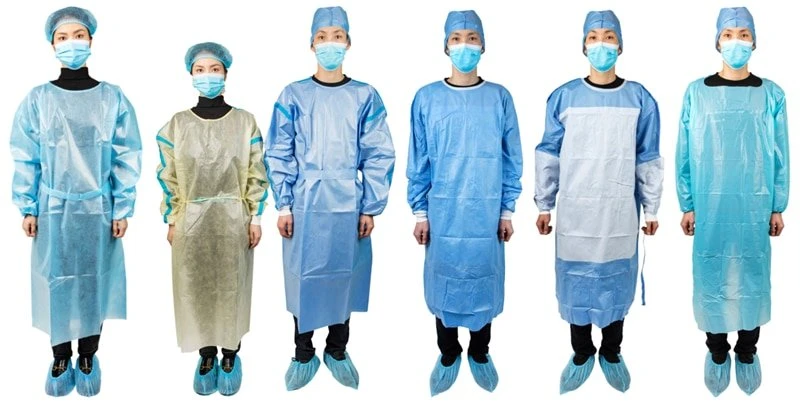
Disposable gowns are specialized garments designed to offer protection and maintain a sterile environment in various healthcare settings. These gowns fall into different categories based on their specific purposes:
Disposable Isolation Gown
These are used primarily for infection control. They protect the wearer from the spread of infections or illnesses if the wearer comes in contact with potentially infectious liquid or solid material. They also help prevent the wearer's clothing from contaminating the environment. These gowns are typically used in healthcare settings such as hospitals, clinics, and laboratories.
Disposable Surgical Gown
These gowns are used by surgeons and operating room staff during procedures to maintain a sterile surgical environment. They are designed to prevent the transfer of bacteria from the skin of the surgical staff to the air and thus prevent contamination of the surgical site. Surgical gowns are usually more complex in their design and offer higher levels of protection compared to isolation gowns.
Disposable Protective Gown
These gowns are worn by patients in healthcare settings for ease of access during medical examinations and procedures. They provide modesty and are often designed for single use to prevent cross-contamination between patients and healthcare providers.
All these gowns are typically made from lightweight, non-woven materials like polypropylene, and are designed to be discarded after a single use to ensure cleanliness and reduce the risk of cross-infection. These disposable gowns are essential components of personal protective equipment (PPE) in the medical field.
Applications of disposable gowns:
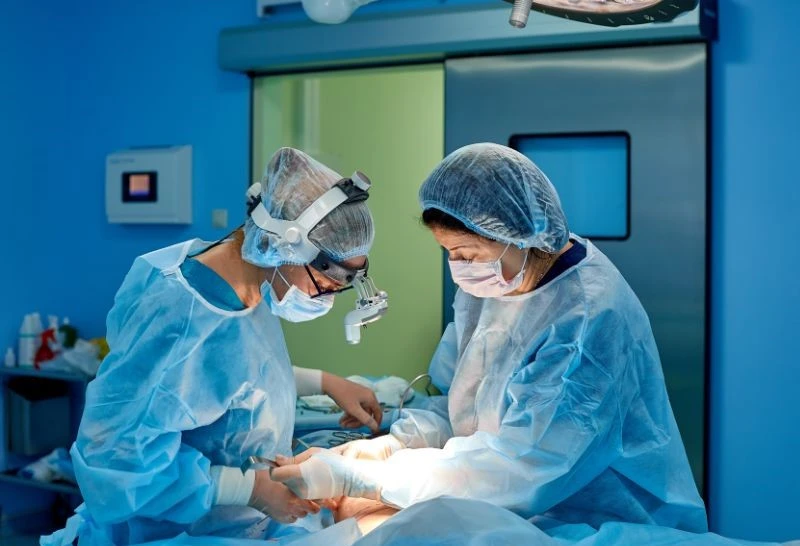
Disposable gowns serve several crucial applications in healthcare and other fields, primarily to ensure safety, hygiene, and infection control. Here are some key applications:
Hospitals and Clinics
In these settings, disposable gowns are used by healthcare workers to prevent the transmission of infectious agents during various procedures and patient interactions. This includes tasks like patient examinations, surgeries, and the handling of biohazardous materials.
01
Surgical Procedures
Surgeons and surgical staff wear disposable surgical gowns to maintain a sterile environment within the operating room. These gowns are designed to protect the wearer and the patient by preventing the transfer of pathogens that might contaminate the surgical site.
02
Laboratories
In research and clinical laboratories, disposable gowns protect workers from chemical spills, biological contaminants, and other hazardous materials. They are essential for maintaining personal safety and cleanliness in experiments and tests.
03
Dental Offices
Dentists and dental assistants use disposable gowns to protect themselves and their patients from the spread of oral bacteria and other contaminants during dental procedures.
04
Isolation Wards:
In isolation wards where patients with infectious diseases are treated, healthcare workers wear isolation gowns to protect themselves and prevent the spread of infections to other patients.
05
Long-term Care Facilities
Staff in these facilities use disposable gowns when caring for elderly or immuno-compromised patients to reduce the risk of transmitting infections.
06
Home Health Care
Home caregivers often use disposable gowns when dealing with patients who are bedridden or have contagious diseases, to ensure both caregiver and patient safety.
07
Emergency Medical Services (EMS)
EMS personnel might wear disposable gowns when responding to emergencies involving hazardous materials, infection risks, or when treating patients with infectious diseases.
08
Disposable gowns are critical for infection control practices across various settings, offering a convenient and effective way to protect both healthcare providers and patients from potential health risks.

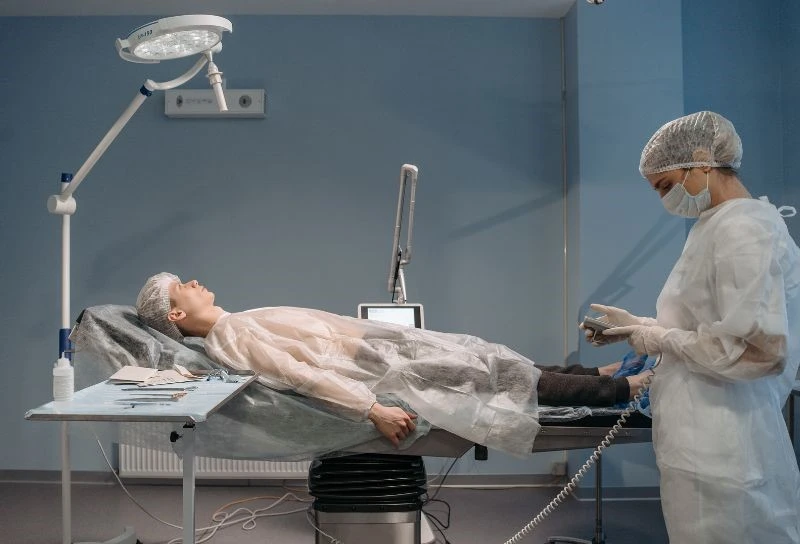
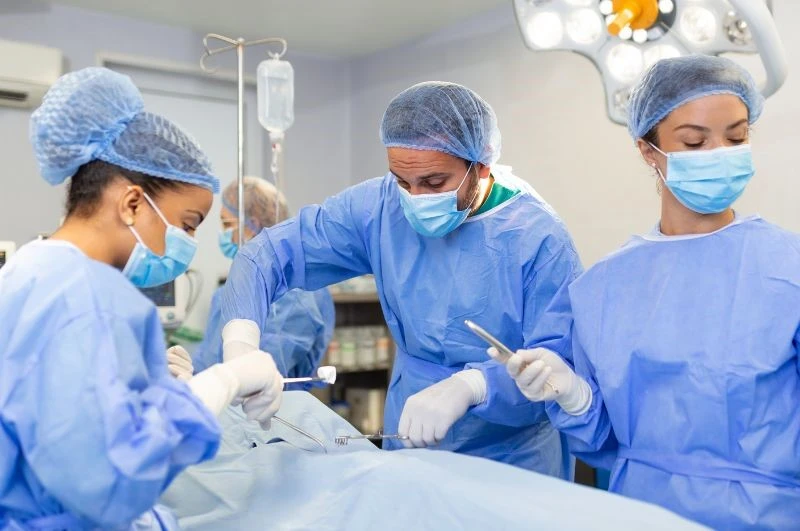
The material of Disposable Gown
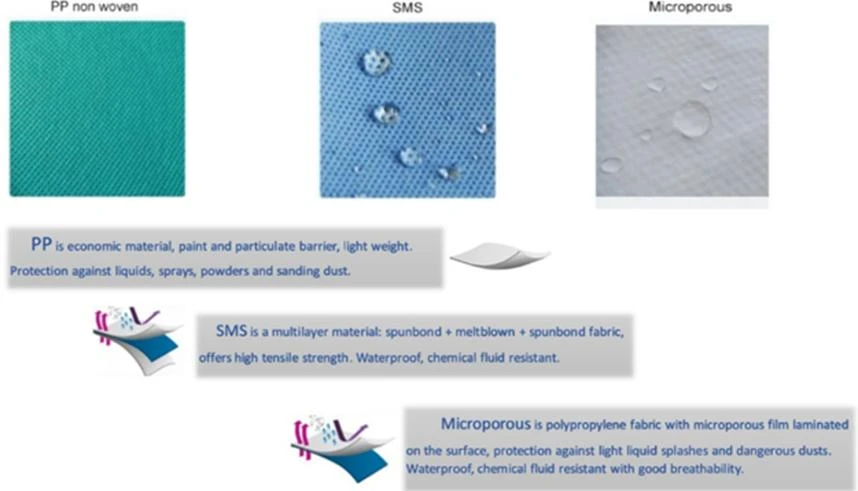
PP Non-Woven: Polypropylene non-woven fabric is the most common material for disposable gowns. It typically has a weight range of 20-120g/cm². This material is soft, breathable, and cost-effective, making it widely used.
SMS: This is a tri-laminate non-woven fabric composed of a top layer of spunbond polypropylene, a middle layer of meltblown polypropylene, and a bottom layer of spunbond polypropylene. Its weight ranges from 25-65g/cm². SMS is softer and more durable than PP non-woven.
CPE: Chlorinated Polyethylene, or CPE, is a type of thermoplastic. It offers excellent resistance to flames and chemicals, making it suitable for specific protective applications.
PP+PE: This material combines polypropylene with a coating of polyethylene film. It is 100% waterproof, although it lacks breathability. The non-woven polypropylene side remains soft and comfortable, while the polyethylene film provides a barrier against liquid permeation.
SMS+PE: Similar to PP+PE, this material features SMS non-woven fabric coated with a polyethylene film. It is also 100% waterproof and non-breathable. The SMS provides comfort and softness, whereas the PE film ensures liquid impermeability.
How to choose the fittest size disposable gowns?
Choosing the right size for a disposable gown is crucial for both comfort and functionality, especially in healthcare environments where protection and ease of movement are critical. Here are some steps and considerations for selecting the most appropriate size of a disposable gown:
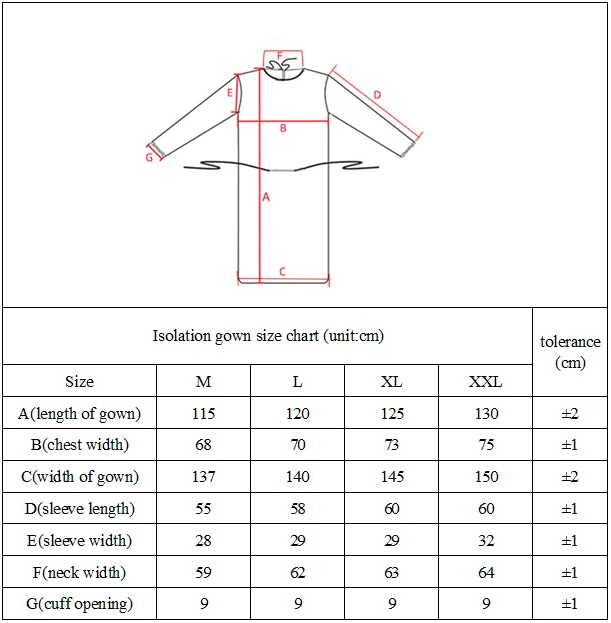
1. Check the Manufacturer's Sizing Chart: Most manufacturers of disposable gowns provide a sizing chart that includes measurements for various parts of the gown, such as length, chest, waist, and sleeve length. Compare these measurements with your own or the intended wearer's measurements to find the best match.
2. Consider the Intended Use: The type of activities you will be performing while wearing the gown should influence the size you select. If you need to perform tasks that require a lot of movement, such as surgeries or intensive care procedures, opt for a gown that offers freedom of movement without being too loose.
3. Allow for Comfortable Fit Over Clothing: Disposable gowns are typically worn over personal clothing or uniforms. Ensure that the size you choose can comfortably accommodate any layers worn underneath without restricting movement or being too bulky.
4. Assess Length and Coverage: For optimal protection, the gown should cover as much of your body as necessary for the specific task. Make sure the gown's length is appropriate for your height and that it provides adequate coverage from the neckline to the knees or below.
5. Look for Adjustable Features: Some gowns come with features like elastic cuffs, waist ties, or neck ties that allow you to adjust the fit. These features can help ensure a better fit, especially if you are between sizes or if the gowns need to be used by people with varying body types.
6. Order Samples for Trial: If possible, order sample gowns in different sizes to try on before making a bulk purchase. This can help you better understand how the gowns fit and feel in action, ensuring that you choose the best size for your needs or the needs of your team.

The different standards of disposable gowns:
Disposable gowns must meet specific standards to ensure they provide adequate protection in various healthcare settings. These standards vary by region and are designed to evaluate the gown’s performance in critical areas such as barrier effectiveness, durability, and safety. Here are some of the key standards applied to disposable gowns:
ANSI/AAMI PB70
Established by the Association for the Advancement of Medical Instrumentation (AAMI) and adopted by the American National Standards Institute (ANSI), this standard classifies medical gowns into four levels based on their liquid barrier performance. Level 1 offers the least protection and is suitable for minimal risk situations like basic care. Levels 2 and 3 are intended for moderate risk (e.g., blood draws, suturing) and high risk (e.g., inserting an IV) scenarios, respectively. Level 4 gowns offer the highest barrier protection and are used in long fluid-intensive procedures.
|
ANSI/AAMI PB70 Barrier performance |
Test method |
Test difinition |
Requirement |
Anticipted fluid exposure |
|
AAMI LEVEL 1 |
Water resistance: Impact penetration AATCC 42 |
AATCC42 Measures the resistance of fabrics to the liquid penetration of water by impact |
Water impact≤4.5 g |
Minimal fluid levels(some resistance to water spray) |
|
AAMI LEVEL 2 |
Water resistance: Impact penetration AATCC 42 |
AATCC42 Measures the resistance of fabrics to the liquid penetration of water by impact |
Spray impact≤1.0 g |
Low fluid levels(resistant to water spray and some resistance to water penetration under constant contact with increasing pressure) |
|
Water resistance: Hydrostatic pressure AATCC 127 |
AATCC127 Measures the resistance of fabrics to the liquid penetration of water by impact under constant and increasing hydrostatic pressure |
Hydrostatic pressure ≥20 cm |
||
|
AAMI LEVEL 3 |
Water resistance: Impact penetration AATCC 42 |
AATCC42 Measures the resistance of fabrics to the liquid penetration of water by impact |
Spray impact≤1.0 g |
Moderate fluid levels (resistant to water spray and some resistance to water penetration under constant contact with increasing pressure) |
|
Water resistance: Hydrostatic pressure AATCC 127 |
AATCC127 Measures the resistance of fabrics to the liquid penetration of water by impact under constant and increasing hydrostatic pressure |
Hydrostatic pressure ≥50 cm |
||
|
AAMI LEVEL 4 |
ASTM F1670 Synthetic Blood Penetration Test (for surgical drapes) |
Surrogate Blood |
no penetration at 2 psi(13.8 kPa) |
Blood and viral penetration resistance (2 psi) |
|
ASTM F1671 Viral Penetration Test (for surgical and isolation gowns) |
Bacteriophage Phi-X174 |
no penetration at 2 psi(13.8 kPa) |
EN 13795
This European Standard specifies requirements and test methods for surgical gowns, surgical drapes, and clean air suits used as medical devices for patients, clinical staff, and equipment. It aims to ensure products effectively prevent the transmission of infective agents during surgical procedures. The categorizes products by performance type:
Non-reinforced or fabric-reinforced for low to medium risk of exposure
Poly-reinforced for high risk of exposure
ISO 13485
While not specific to disposable gowns alone, this standard covers the quality management systems for the design and manufacture of medical devices. Compliance ensures that manufacturers consistently meet both customer and regulatory requirements applicable to medical devices and related services.
FDA Classification
In the United States, the Food and Drug Administration (FDA) classifies medical gowns as Class I or Class II medical devices depending on their level of protection. Class I gowns are general hospital gowns and do not require FDA clearance, whereas Class II gowns, such as surgical gowns and isolation gowns, require FDA clearance to ensure they meet specific performance criteria.
Styles of Disposable gowns:
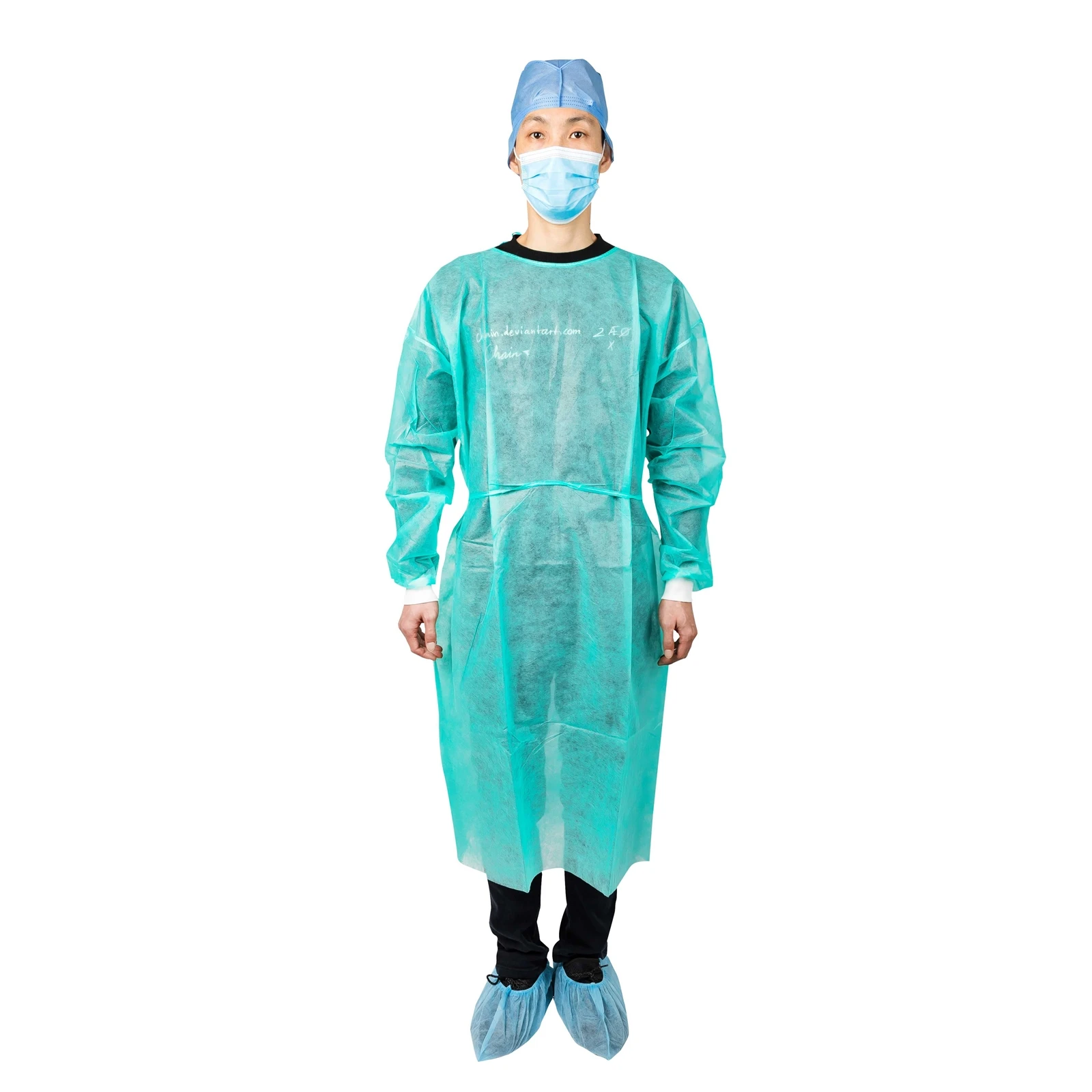
Disposable PP isolation gown
PP nonwoven material,
Soft, durable, breathable and comfortable for wearing
Tie on collar and waist
Customized colors are available
Made of soft and comfortable PP material, these gowns are ideal for various isolation applications. They come in a variety of colors, providing options to meet different preferences and institutional requirements. With their dust-proof properties and full-length design, our PP disposable gowns provide excellent protection against spills, dust and contaminants, ensuring you remain protected in various settings.
Disposable PP+PE gowns
PP+PE material
Waterproof and dustproof
Tie on collar and waist
Ultrasonic welding for all the seams
Customized colors are available
Crafted from high-quality PP+PE material that offers optimum protection and resilience. A meticulous heat-sealing process ensures that the gown remains secure and is resistant to wear and tear. Features ties on the collar and waist, allowing for a customizable and snug fit. Importantly, these gowns are latex-free, making them suitable for those with latex allergies.
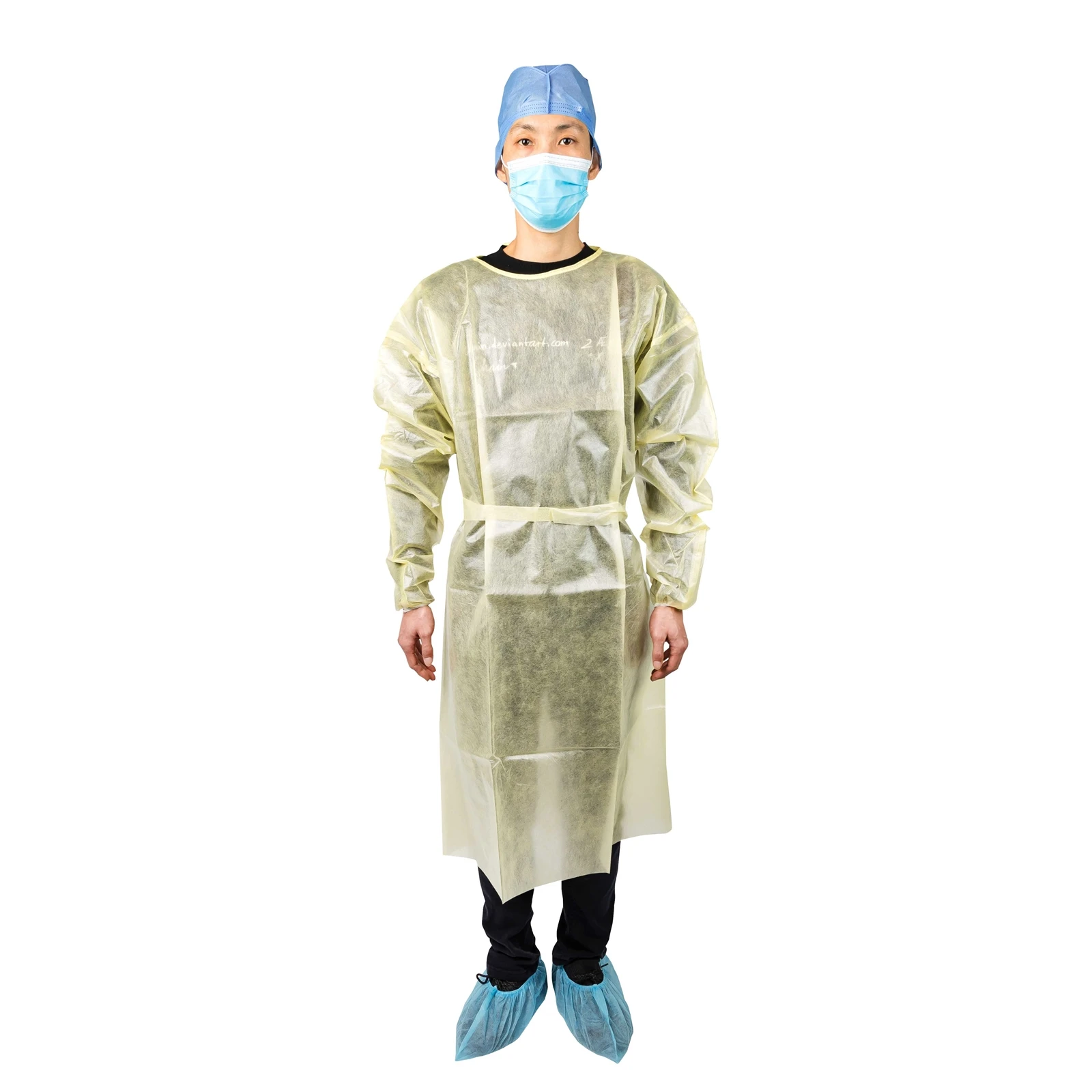
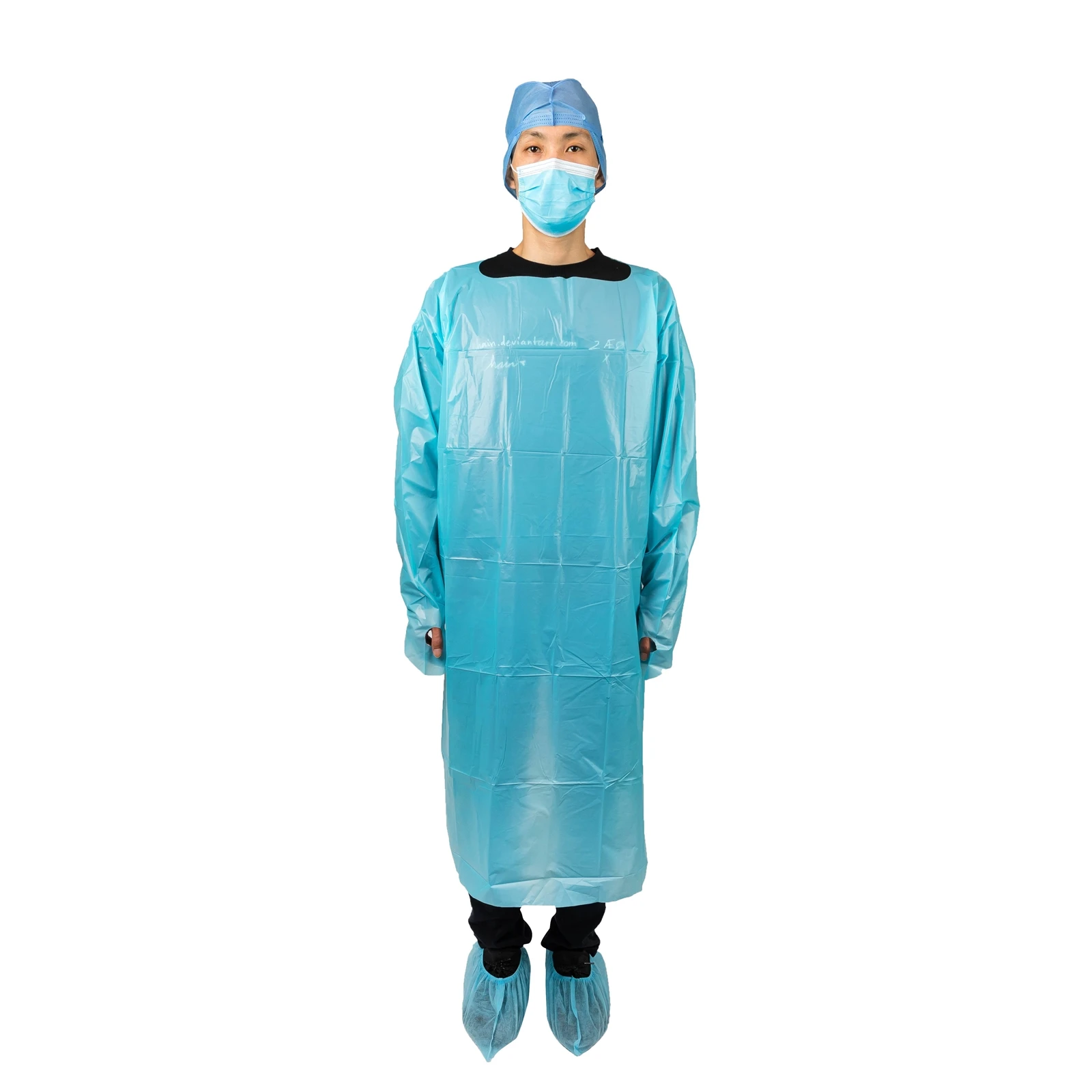
Disposable CPE gowns
CPE material
Waterproof and dustproof
With thumb loops to ensure the secure fit
Open back with tie on waist
Made of embossed CPE, a material known for its exceptional barrier properties. It strikes the right balance between protection and wearability. Thumb holes allow for secure fitting of gloves, minimizing potential exposure. The open back ensures a better fit and ventilation. Suitable for various medical and non-medical environments that require barrier protection.
Disposable standard surgical gown
Made of high quality SMMS material
With 4 belts tie on waist, and with velcro on collar
Ultrasonic welding on all the seams
Individual sterile packing
Our disposable standard surgical gown is crafted from lightweight, multi-ply SMS fabric, offering comfort during wear. These gowns provide excellent protection against external splashes such as blood or other fluids, thanks to ultrasonic welding along all seams. Featuring knitted cuffs and adjustable ties at the waist, the gown ensures a secure and snug fit, tailored to the wearer's needs.


Disposable reinforced surgical gown
Made of high quality SMS / SMMS material
Reinforced with PP+PE material on the front and sleeves
4 belts tie on waist and velcro on collar, knitted cuffs
Ultrasonic welding on all the seams
Individual sterile packing
Our disposable reinforced SMS surgical gowns prioritize the safety and comfort of medical professionals. Available in a blue color, these gowns are constructed from high-quality SMS (spunbond meltblown spunbond) material, which ensures durability, breathability, and fluid resistance. To offer enhanced protection against fluid penetration during surgical procedures, the front chest and sleeves are fortified with an additional layer of PP+PE fabric.
Production process of Disposable gowns
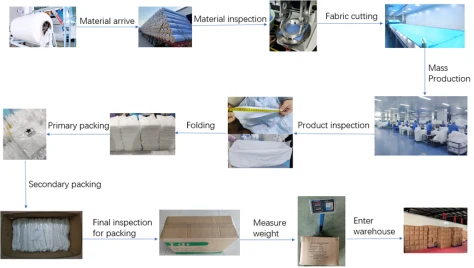
Various Packing Methods of Disposable Gowns
Disposable gowns are essential for maintaining hygiene and safety in various industries. To accommodate different preferences and requirements, these gowns are available in various packing methods, each offering distinct benefits:
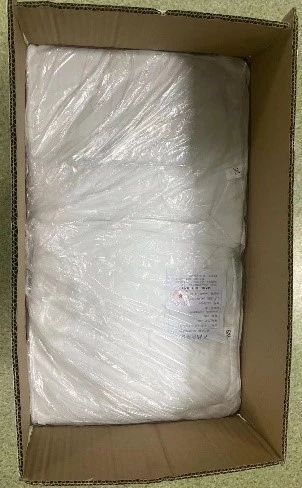
Bulk Packing
This method involves packing 25 to 50 pieces into a large plastic bag, which is then placed into a carton. This is the most cost-effective packing option, suitable for bulk purchases and where individual packaging is not a priority.

Intermediate Bulk Packing
In this configuration, 10 pieces are packed into a big plastic bag, with a total of 50~100 pieces per carton. This method strikes a balance between bulk efficiency and smaller packaging, allowing for easier distribution without significantly increasing costs.
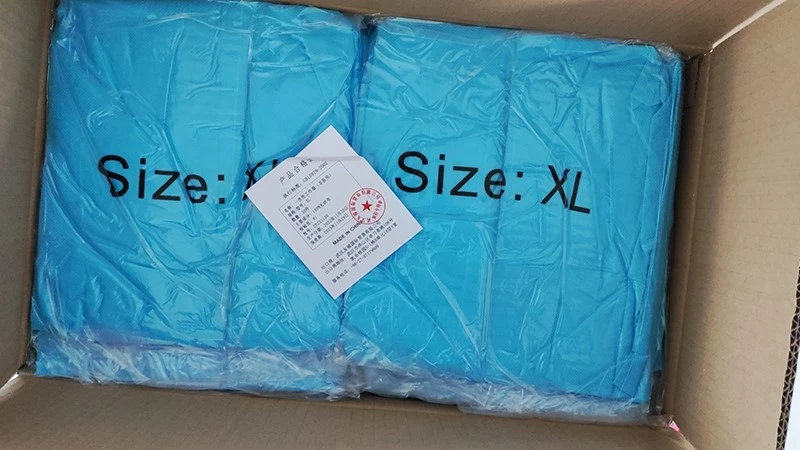
Individual Packing with Customization
Each coverall is individually packed into a normal plastic bag, which can then accommodate 50 pieces per carton. The plastic bags offer the possibility of customization, allowing businesses to print their logo and other details on the packaging. This option is ideal for enhancing brand visibility and for clients who require a more personalized presentation.
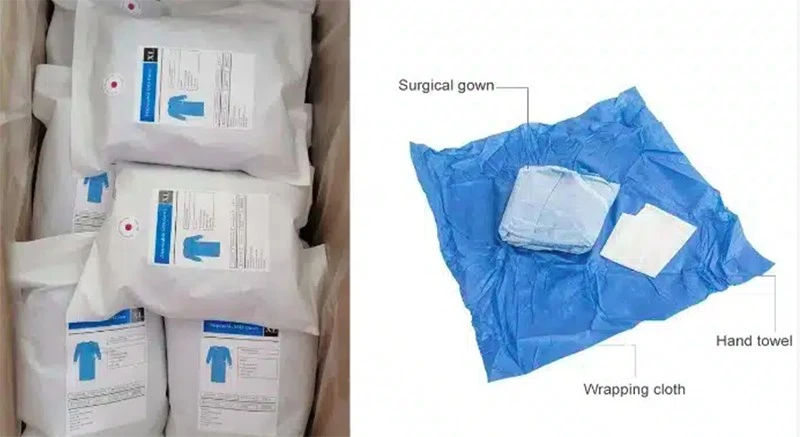
Sterile Individual Packing
Designed for environments requiring stringent hygiene standards, each coverall is packed into a sterile paper-plastic bag. These can also be printed with a customized logo and words, similar to the third option, and are grouped into cartons of 25 to 50 pieces. This method is particularly suitable for medical and healthcare settings where sterility is crucial.
Each of these packing methods caters to different needs, ensuring that all clients can find a solution that best fits their requirements, whether they prioritize cost efficiency, customization, or sterility.
How to maintain disposable gowns?
Maintaining disposable gowns involves proper handling, usage, and disposal to ensure they serve their purpose effectively while minimizing risks of contamination. Here are key guidelines to follow:
Proper Storage
Store disposable gowns in a clean, dry area to prevent contamination before use. They should be kept in their original packaging until ready for use to protect them from dust, moisture, and other environmental contaminants.
Single Use Only
Disposable gowns are designed for single use and should not be reused. Reusing a disposable gown can compromise its integrity, effectiveness, and safety.
Correct Donning
Follow proper procedures for donning the gown to ensure full coverage and protection. This typically involves securing all ties, straps, and closures to ensure the gown fits securely and covers the appropriate areas completely.
Immediate Disposal After Use
After use, remove the gown carefully to avoid contaminating yourself or others. Dispose of it immediately in a designated biohazard waste container. Never leave used gowns in public areas or with regular waste.
Handle with Care When Contaminated
If the gown becomes heavily soiled or contaminated, handle it with gloves and dispose of it carefully to prevent the spread of contaminants.
Follow Facility Protocols
Always adhere to your facility's protocols for PPE usage and disposal. This ensures compliance with health and safety regulations and maintains consistency in protective practices.
FAQS
Q: 1.Who use disposable gowns?
Healthcare Workers: Doctors, nurses, surgeons, and other medical staff use disposable gowns in hospitals, clinics, and operating rooms to protect against the transmission of infectious agents during patient care and surgical procedures.
Laboratory Technicians: Individuals working in medical, chemical, and research laboratories wear disposable gowns to protect themselves from chemical splashes, biological hazards, and contaminants.
Dental Professionals: Dentists and dental hygienists use disposable gowns to prevent the spread of pathogens and maintain a sterile environment during dental procedures.
Emergency Medical Technicians (EMTs): EMTs may wear disposable gowns when handling patients in emergency situations, especially in cases involving blood, bodily fluids, or potential exposure to infectious diseases.
Veterinary Staff: Veterinarians and veterinary technicians wear disposable gowns while treating animals to prevent cross-contamination between different patients and to protect themselves from potential zoonotic diseases.
Cleanroom Workers: Employees in industries such as pharmaceuticals, biotechnology, and electronics that require controlled environments wear disposable gowns to prevent the introduction of contaminants into cleanroom spaces.
Caretakers and Home Health Aides: Individuals providing care in homes, particularly for patients with infectious diseases or those under isolation precautions, may use disposable gowns to protect themselves and prevent the spread of infections.
Q: 2.Why disposable gowns open at back?
Ease of Use: Gowns that open at the back are easier for users to put on and take off. This is especially important in medical settings where speed and ease can be critical in emergency situations or during quick changes between procedures.
Minimize Contamination: The back opening ensures that the front of the gown remains clean and uncontaminated. Since the front of the gown covers the areas most exposed to hazardous substances, having the opening at the back reduces the likelihood of transferring contaminants to the wearer's hands or to other surfaces.
Hygienic Design: The back of the gown is less likely to come into contact with hazardous substances during medical procedures or patient interactions. By placing the opening at the back, the design helps keep the gown more hygienic and reduces the risk of cross-contamination.
Coverage and Protection: Back-opening gowns typically overlap generously at the back, ensuring that there is still sufficient coverage even when moving or bending. This overlap helps to maintain protection from all sides, despite the opening.
Q: 3.What’s differences between disposable isolation gowns and disposable surgical gowns?
Purpose of Use:
Isolation Gowns: These are primarily used to protect healthcare workers and patients from the transmission of infectious agents during routine patient care, especially when there is a risk of splashes or spills of bodily fluids. They are used in various healthcare settings, including patient rooms, emergency departments, and laboratories.
Surgical Gowns: These gowns are specifically designed for use during surgical procedures. They provide a higher level of protection and are meant to prevent the transfer of bodily fluids, pathogens, and particulate matter to and from the surgical staff and the patient.
Material and Barrier Protection:
Isolation Gowns: Typically made from lighter materials like SMS (spunbond-meltblown-spunbond) fabric, which offers sufficient protection against fluids for non-surgical procedures. They are graded based on their level of protection against fluid penetration.
Surgical Gowns: Made from more robust materials that must meet higher standards for barrier protection, sterility, and durability. These gowns often include layers of materials like polyethylene films, which provide enhanced fluid resistance. They are classified into different levels (1-4) by standards such as ANSI/AAMI PB70, based on their resistance to fluid and microbial penetration.
Sterility:
Isolation Gowns: These do not require sterility and are used in settings where sterility is not a critical factor.
Surgical Gowns: Must be sterile as they are used in sterile surgical environments to prevent contamination and maintain a sterile field around the surgical site.
Design Features:
Isolation Gowns: Generally have a simpler design and regular stitching. They frequently feature ties or elastic/knitted cuffs and are easier to put on and take off.
Surgical Gowns: More complex in design, often featuring reinforced areas to resist fluid penetration, especially at the chest and arms. They come with special ultrasonic sealing and securement features to ensure a snug fit and full coverage, reducing the risk of contamination during high-risk procedures.
Q: 4.What’s normally included in the regular disposable surgical gown pack?
Q: 5.Why disposable patient gown prefers the short sleeves design?
Ease of Access: Short sleeves provide healthcare providers with easier access to the patient's arms for medical procedures, such as blood draws, IV insertions, or the monitoring of vital signs. This accessibility helps in providing efficient and quick medical care.
Comfort: Short sleeves are generally more comfortable for patients, especially in warmer environments or during long stays in healthcare facilities. They allow better air circulation, helping to keep the patient cool and comfortable.
As one of the leading disposable gown manufacturers and suppliers in China, we warmly welcome you to buy bulk high-grade disposable gown in stock here from our factory. All our products are with high quality and competitive price.
Protective Gowns For Hospital, Yellow Isolation Gowns, Disposable Sms GownsPopular Products