



In the realm of healthcare and safety, disposable CPE gowns have emerged as a crucial component of protective gear. As a supplier of disposable CPE gowns, I am often asked whether these gowns meet the necessary safety standards. This blog aims to delve into this question, exploring the safety aspects of disposable CPE gowns and providing evidence-based insights.
Understanding Disposable CPE Gowns
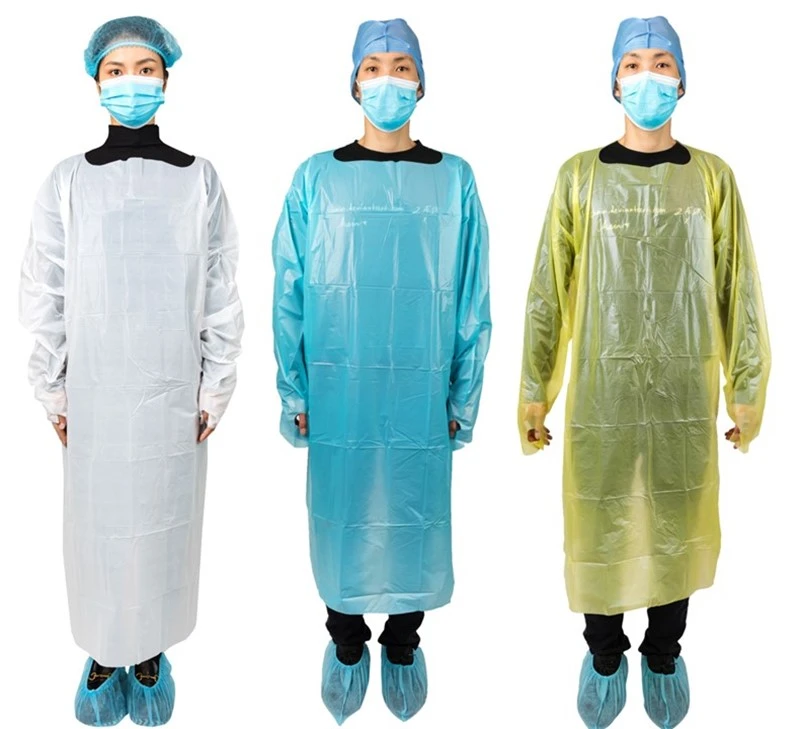
Disposable CPE (Chlorinated Polyethylene) gowns are widely used in various industries, especially in healthcare settings. These gowns are made from a type of plastic material that offers a range of benefits. CPE is known for its excellent chemical resistance, waterproof properties, and durability. It is also lightweight, making it comfortable for extended wear.
The design of disposable CPE gowns is typically simple yet effective. They often feature an open-back design with ties or closures to ensure a secure fit. Some gowns also come with elastic cuffs, which help to keep the sleeves in place and prevent fluids from entering. You can find more information about CPE Gowns with Elastic Cuff on our website.

Safety Standards for Disposable Gowns
The safety of disposable gowns is regulated by various standards and guidelines. These standards are in place to ensure that the gowns provide adequate protection against hazards such as fluids, microorganisms, and chemicals. In the healthcare industry, the most common standards for disposable gowns are set by organizations such as ASTM International and the U.S. Food and Drug Administration (FDA).
ASTM International has developed a series of standards for medical gowns, including ASTM F1670 and ASTM F1671. ASTM F1670 measures the resistance of a gown to blood penetration under simulated conditions, while ASTM F1671 evaluates the gown's resistance to viral penetration. These standards help to determine the level of protection offered by a gown and are commonly used as a benchmark for assessing gown safety.
The FDA also has specific requirements for medical gowns sold in the United States. Gowns intended for use in healthcare settings must meet certain performance criteria and be labeled appropriately. The FDA classifies medical gowns into different categories based on their intended use and level of protection. For more information on the fluid resistance of medical gowns, you can visit our page on Medical Gowns Fluid Resistance.

Do Disposable CPE Gowns Meet Safety Standards?
The answer is yes, disposable CPE gowns can meet the necessary safety standards when they are properly manufactured and tested. Reputable suppliers, like us, ensure that their CPE gowns are produced in accordance with strict quality control measures and comply with relevant standards.
Our CPE Plastic Gown undergoes rigorous testing to ensure its performance. This includes testing for fluid resistance, tear strength, and microbial penetration. By adhering to these testing protocols, we can guarantee that our gowns offer reliable protection in various settings.
In healthcare facilities, disposable CPE gowns are commonly used for procedures that involve contact with bodily fluids. The gowns provide a barrier against blood, urine, and other potentially infectious materials, reducing the risk of cross - contamination between patients and healthcare providers. They are also suitable for use in environments where chemical splashes may occur, thanks to the chemical resistance of CPE.
Factors Affecting the Safety of Disposable CPE Gowns
While disposable CPE gowns can meet safety standards, several factors can affect their performance. One of the key factors is the quality of the CPE material used. Higher - quality CPE will generally offer better fluid resistance and durability. At our company, we source only the best - grade CPE materials to ensure the superior performance of our gowns.
The manufacturing process also plays a crucial role. Gowns that are poorly constructed may have weak seams or areas where the material is more prone to tearing. Our manufacturing facilities are equipped with state - of - the - art machinery and operated by experienced technicians to ensure the consistent quality of our gowns.
Proper use and storage of the gowns are also important. Gowns should be worn correctly, with all closures and ties secured. They should be stored in a dry, clean environment to prevent damage to the material. If gowns are damaged or soiled, they should be discarded immediately to maintain safety.
Applications of Disposable CPE Gowns
Disposable CPE gowns have a wide range of applications beyond healthcare. In the industrial sector, they are used in chemical manufacturing, food processing, and laboratory settings. In chemical manufacturing, the gowns protect workers from exposure to hazardous chemicals, while in food processing, they help to maintain hygiene and prevent contamination.
In laboratory environments, CPE gowns provide a barrier against biological and chemical agents. They are also used in research facilities, where they help to protect researchers from potential exposure to infectious agents or toxic substances. Our Protective Gowns For Hospital and Waterproof Isolation Gown are designed to meet the specific needs of these diverse applications.

Conclusion and Call to Action
In conclusion, disposable CPE gowns can and do meet the necessary safety standards when produced and used correctly. As a supplier, we are committed to providing high - quality CPE gowns that offer reliable protection in various settings. Our gowns are manufactured to meet strict quality control measures and comply with relevant industry standards.
If you are in the market for disposable CPE gowns, we invite you to contact us to discuss your specific requirements. We can offer a range of gown options to suit your needs, whether you are in the healthcare, industrial, or laboratory sector. Let's work together to ensure the safety of your workers and the success of your operations.
References
- ASTM International. ASTM F1670 - Standard Test Method for Resistance of Materials Used in Protective Clothing to Penetration by Synthetic Blood Under Conditions of Continuous Liquid Contact.
- ASTM International. ASTM F1671 - Standard Test Method for Resistance of Materials Used in Protective Clothing to Penetration by Blood - Borne Pathogens Using a Phi - X174 Bacteriophage Penetration as a Test System.
- U.S. Food and Drug Administration. Guidance for Industry and Food and Drug Administration Staff: Establishing the Safety and Effectiveness of Devices Labelled as Surgical Gowns and Drapes.


