



The material inside your disposable face towel matters more than most people think. It affects how soft the towel feels on skin, how well it absorbs water, how safe it is for sensitive clients, and how much it costs your business. There are three main materials to choose from: cotton fiber, viscose fiber, and bamboo fiber. This guide compares all three so you can make the right call.
The Three Main Disposable Face Towel Materials - At a Glance
|
Material |
Origin |
Best Known For |
|
Cotton fiber |
Natural cotton plant |
Durability, wet strength |
|
Viscose fiber (rayon) |
Wood pulp, cellulose |
Softness, absorbency, low cost |
|
Bamboo fiber |
Bamboo plant |
Eco-friendly, antibacterial, hypoallergenic |
All three are made into spunlace nonwoven fabric through the spunlace bonding process - a standard nonwoven manufacturing method used in professional disposable face cloth production.

Cotton Fiber - The Durable Classic
100% cotton fiber is the oldest and most familiar material. It is a plant-based fiber made from the natural cotton plant and processed into nonwoven fabric through spunlace nonwoven manufacturing.
Cotton Performance Profile
Wet tensile strength: Very High - does not tear when wet
Absorbency rate: High - absorbs 2–3x its weight in liquid
Softness rating: 6/10 - less soft than viscose or bamboo
Lint production: Medium to High - sheds more fiber than other materials
Hypoallergenic rating: Medium - not ideal for reactive skin
Best Use Cases for Cotton
Barbershop hot towel service - needs high wet tensile strength
Deep cleansing facial treatments where durability matters
Settings where durability beats softness in priority
Cotton Cost & Sustainability
Mid-range cost - higher than viscose, lower than bamboo
Raw material sourcing is wide - very high global supply
Cotton farming uses 10,000 liters of water per kg of fiber
Conventional cotton uses high levels of pesticides
Organic cotton option reduces chemical processing footprint
Biodegradation rate: 1–5 months - fully biodegradable face towel material
⚠️ Cotton lint can irritate acne-prone skin and sensitive skin clients. It is not recommended for chemical peel aftercare or post-procedure care settings.

Viscose Fiber - The Professional Standard
Viscose fiber - also called rayon - is the most widely used material in professional disposable face towels. It holds 58% of the current professional market share and is growing at 3–5% year on year.
Viscose Performance Profile
Softness rating: 9/10 - exceptionally soft on skin
Absorbency rate: Very High - absorbs 3–4x its weight in liquid
Lint-free: Yes - no lint production on treated skin
Wet tensile strength: Medium - not built for heavy scrubbing
Hypoallergenic rating: High - safe for most skin types
Best Use Cases for Viscose
Beauty salon and spa facility - standard professional facial treatment
Aesthetic clinic - smooth surface safe for post-procedure skincare
Chemical peel aftercare - lint-free disposable face towel is essential here
Sensitive skin clients - skin-safe disposable face towel performance
Dermatology practice - medical-adjacent facility hygiene needs
Viscose Cost & Sustainability
Lowest cost of all three materials - as low as $0.004 per sheet at contract volume
Plant-based fiber from wood pulp - biodegradable face towel material
Lower water footprint than cotton farming
Chemical processing involved - closed-loop nonwoven manufacturing reduces impact
Biodegradation rate: 2–6 months

Bamboo Fiber - The Eco-Premium Choice
Bamboo fiber disposable face towels are the fastest-growing segment in the market - up 12–18% year on year. Bamboo is a renewable fiber that grows without pesticides or irrigation.
Bamboo Performance Profile
Softness rating: 9.5/10 - the softest of all three materials
Absorbency rate: High - absorbs 3–3.5x its weight in liquid
Antibacterial property: Yes - natural bamboo kun compound
Hypoallergenic rating: Very High - excellent for reactive skin
Lint-free: Yes - smooth nonwoven fabric surface
Best Use Cases for Bamboo
Eco-certified spa and green beauty business - strongest sustainability story
Acne-prone skin clients - bamboo antibacterial face towel reduces bacteria
Sensitive skin and hypoallergenic face towel needs
Post-procedure care - gentle on treated skin
Retail skincare business - premium private label production and OEM manufacturing
Sustainability reporting as a client-facing marketing tool
Bamboo Cost & Sustainability
Highest cost of the three - $0.011–$0.035 per sheet depending on volume
Bamboo grows without pesticides and needs no irrigation - rain-fed
Fastest biodegradation rate: 2–4 months
Lowest carbon footprint per sheet at equivalent GSM
FSC-certified bamboo option available for eco certification

Head-to-Head: Cotton vs. Viscose vs. Bamboo - 10 Key Factors
|
Factor |
Cotton |
Viscose |
Bamboo |
Winner |
|
Softness rating |
6/10 |
9/10 |
9.5/10 |
🏆 Bamboo |
|
Absorbency rate |
2–3x weight |
3–4x weight |
3–3.5x weight |
🏆 Viscose |
|
Wet tensile strength |
Very High |
Medium |
Medium |
🏆 Cotton |
|
Lint-free |
❌ No |
✅ Yes |
✅ Yes |
🏆 Viscose/Bamboo |
|
Hypoallergenic |
Medium |
High |
Very High |
🏆 Bamboo |
|
Antibacterial |
❌ None |
❌ None |
✅ Natural |
🏆 Bamboo |
|
Biodegradability |
1–5 months |
2–6 months |
2–4 months |
🏆 Bamboo |
|
Cost per sheet |
Mid |
Lowest |
Highest |
🏆 Viscose |
|
Supply availability |
Very High |
Very High |
Medium |
🏆 Viscose/Cotton |
|
Sustainability score |
5/10 |
7/10 |
9.5/10 |
🏆 Bamboo |
Cost Per Sheet - What Each Material Really Costs
|
Order Volume |
Cotton (50 GSM) |
Viscose (50 GSM) |
Bamboo (50 GSM) |
|
Trial order |
$0.012–$0.018 |
$0.009–$0.014 |
$0.022–$0.035 |
|
Standard MOQ |
$0.009–$0.014 |
$0.007–$0.010 |
$0.018–$0.028 |
|
Volume tier |
$0.007–$0.011 |
$0.005–$0.008 |
$0.014–$0.022 |
|
Contract buyer |
$0.005–$0.009 |
$0.004–$0.006 |
$0.011–$0.018 |
📌 Viscose is 25–40% cheaper than cotton and 50–70% cheaper than bamboo at the same volume. For most professional settings running on tight margins, viscose fiber delivers the best cost per use face towel material result.
Skin Safety - Which Material Protects Your Clients Best?
|
Client Skin Type |
Cotton |
Viscose |
Bamboo |
Best Choice |
|
Normal skin |
✅ |
✅ |
✅ |
Any |
|
Sensitive skin |
⚠️ Lint risk |
✅ Good |
✅ Excellent |
Bamboo or Viscose |
|
Acne-prone skin |
⚠️ Lint risk |
✅ Good |
✅ Excellent |
Bamboo |
|
Reactive/allergy-prone |
⚠️ Caution |
✅ Good |
✅ Excellent |
Bamboo |
|
Post-procedure skin |
❌ Too rough |
✅ Excellent |
✅ Excellent |
Viscose or Bamboo |
|
Chemical peel aftercare |
❌ No |
✅ Best |
✅ Excellent |
Viscose |
|
Oily/combination skin |
✅ |
✅ |
✅ Antibacterial bonus |
Bamboo |
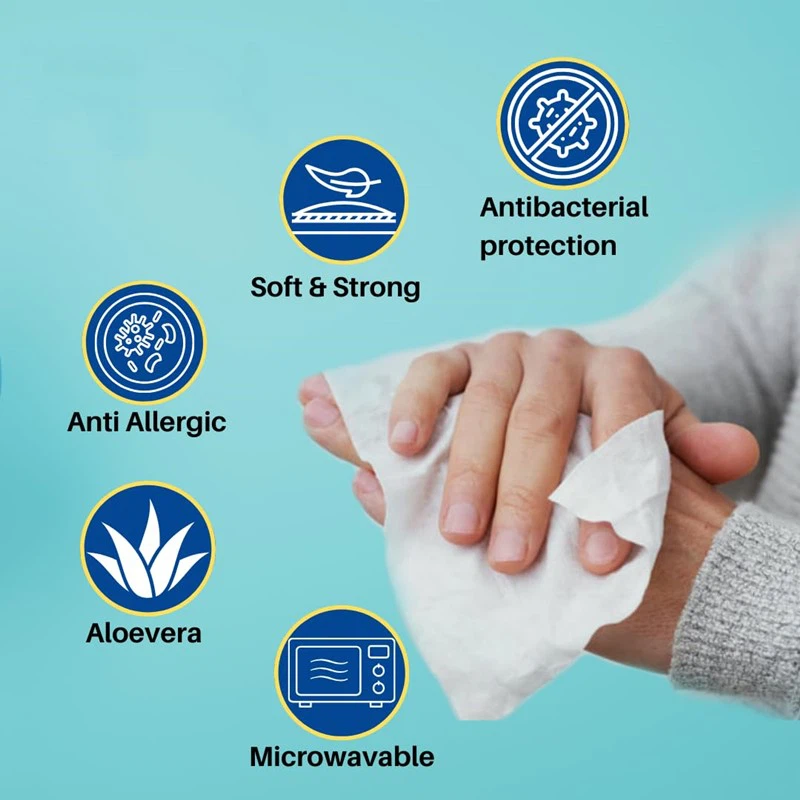
Always request skin irritation patch test results and safety documentation from your supplier. Ask for pH neutral confirmation and check the towel is free from fluorescent whitening agents.
Blended Materials - When a Mix Beats a Single Fiber
Sometimes a blended nonwoven material gives you the best of two worlds:
|
Blend |
Softness |
Strength |
Cost |
Biodegradability |
Best For |
|
Viscose + polyester |
High |
Medium–High |
Low |
Medium |
High-volume, cost-focused |
|
Cotton + polyester blend |
Medium |
Very High |
Low |
Low |
Heavy-duty use |
|
Bamboo + cotton blend |
Very High |
Medium–High |
Medium |
High |
Eco + strength balance |
|
Viscose + cotton blend |
High |
High |
Low–Medium |
High |
All-round professional |
|
Bamboo + viscose |
Excellent |
Medium |
Medium–High |
Very High |
Premium eco professional |
Ask your OEM manufacturer or private label production partner for exact fiber composition ratios before committing to a bulk material procurement order.

GSM - How Material Weight Changes Performance
GSM (grams per square meter) affects feel, absorbency, and cost across all three materials:
|
GSM Range |
Cotton |
Viscose |
Bamboo |
|
30–40 GSM |
Thin, low strength |
Soft, adequate |
Delicate, light |
|
45–55 GSM |
Good all-round |
Professional sweet spot |
Premium professional |
|
60–70 GSM |
Barbershop grade |
Spa grade |
Luxury spa |
|
75–90 GSM |
Heavy-duty |
Post-procedure |
Near-cloth feel |
📌 50 GSM is the most popular choice across all three materials for everyday professional facial treatment disposable towel use in a beauty salon, spa facility, or skincare treatment room.

Sustainability - Which Material Is the Greenest?
|
Sustainability Factor |
Cotton |
Viscose |
Bamboo |
|
Water usage in farming |
Very High (10,000L/kg) |
Low |
Very Low (rain-fed) |
|
Pesticide use |
High |
None |
None |
|
Carbon footprint |
Medium–High |
Low–Medium |
Lowest |
|
Biodegradation time |
1–5 months |
2–6 months |
2–4 months |
|
Certified option |
Organic cotton |
Limited |
FSC bamboo |
For any eco-certified spa or green beauty business using sustainability reporting as a client communication tool, bamboo fiber gives you the strongest data and the cleanest story.
Which Material Is Right for Your Business?
|
Your Situation |
Best Material |
|
High-volume salon, cost is priority |
Viscose fiber |
|
Barbershop, hot towel service |
Cotton fiber |
|
Post-procedure and peel aftercare |
Viscose or bamboo |
|
Sensitive or acne-prone skin clients |
Bamboo fiber |
|
Eco-certified or green beauty business |
Bamboo fiber |
|
Maximum cost efficiency at scale |
Viscose fiber |
|
Premium retail skincare packaging |
Bamboo fiber |
|
High wet-strength requirement |
Cotton fiber |
|
All-round professional daily use |
Viscose fiber |
Your Pre-Order Checklist
Before you place your bulk face towel material order:
[ ] Confirmed fiber composition - single fiber or blended nonwoven material
[ ] Verified GSM - 50 GSM is the professional sweet spot for most settings
[ ] Requested skin irritation patch test results from your supplier
[ ] Confirmed pH neutral material and no fluorescent whitening agents
[ ] Checked lint-free disposable face towel performance - especially for post-procedure use
[ ] Reviewed biodegradation rate if sustainability is a business priority
[ ] Confirmed OEM manufacturing or private label production options
[ ] Requested samples of all three materials at your target GSM before committing

FAQs
Q1: Which material is the softest for client skin contact?
Bamboo fiber scores the highest softness rating at 9.5/10, just ahead of viscose fiber at 9/10. Both are far softer than cotton fiber at 6/10. For treatments where skin comfort is the top priority - especially post-procedure care and chemical peel aftercare - choose bamboo or viscose spunlace nonwoven fabric. Avoid cotton fiber where softness is critical.
Q2: Which material is best for sensitive or acne-prone skin clients?
Bamboo fiber is the clear winner for sensitive skin and acne-prone skin clients. It has natural antibacterial property from the bamboo kun compound, a very high hypoallergenic rating, and a lint-free smooth surface that will not irritate reactive skin. Viscose fiber is a strong second choice. Cotton fiber is not recommended - its lint production can block pores and irritate reactive skin types.
Q3: Is viscose fiber a sustainable material?
Yes - viscose fiber is a plant-based fiber made from cellulose fiber sourced from wood pulp. It is biodegradable and has a much lower carbon footprint than conventional cotton fiber farming due to low water usage and zero pesticide requirements. The main concern is chemical processing during production. Look for suppliers using closed-loop nonwoven manufacturing to minimize environmental impact. It is not as green as bamboo fiber but is a solid mid-range sustainable choice.
Q4: What is the most cost-efficient material for bulk professional orders?
Viscose fiber is the most cost-efficient material at every volume tier. It costs 25–40% less per sheet than cotton and 50–70% less per sheet than bamboo at equivalent GSM and order volume. At contract buyer volume, viscose disposable face towel cost drops to as low as $0.004 per sheet. For high-volume beauty salon, spa facility, or barbershop settings where bulk face towel material choice directly affects margins, viscose is the default professional choice.
Q5: Should I choose a blended material or a single fiber for my disposable face towels?
It depends on your priorities. A single fiber like viscose fiber or bamboo fiber gives you the cleanest performance profile and the easiest sustainability reporting story. A blended nonwoven material - like viscose + cotton blend or bamboo + viscose - lets you balance softness, strength, and cost. Ask your OEM manufacturer for the exact fiber composition ratio and always request safety documentation and samples before placing your bulk material procurement order. For most professional settings, a 50 GSM viscose + cotton blend hits the best balance of performance and value.


