



Disposable cloth towels are single-use cleaning towels. They feel more like cloth than a paper towel. But you still use it once and put it in the waste bin.
This is a simple guide to disposable cloth towels. It will help you know:
- what are disposable cloth towels
- how they work
- when to use them
- when not to use them
- if disposable cloth towels are worth it
What Are Disposable Cloth Towels?
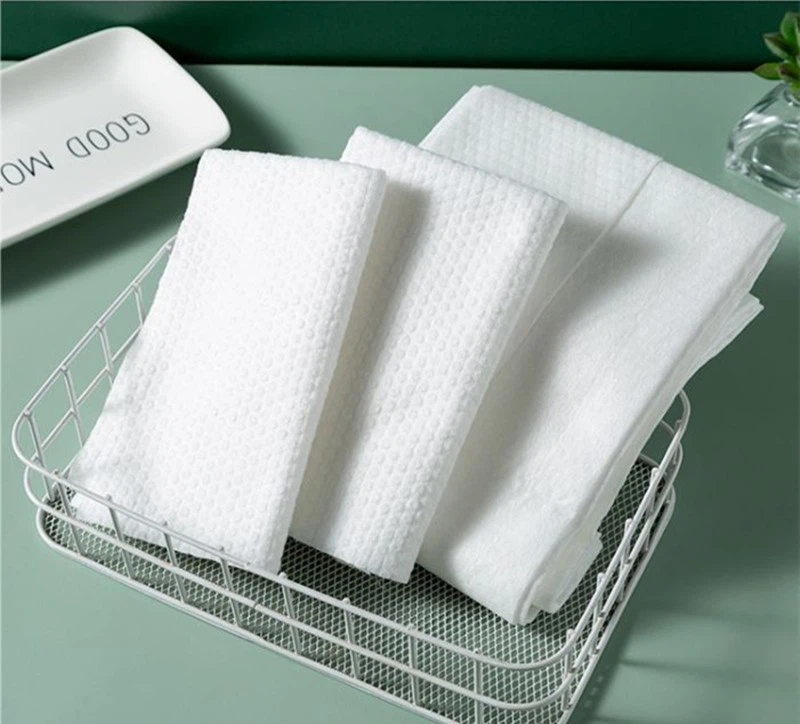
A disposable cloth towel is a wiping material made for fast cleanups.
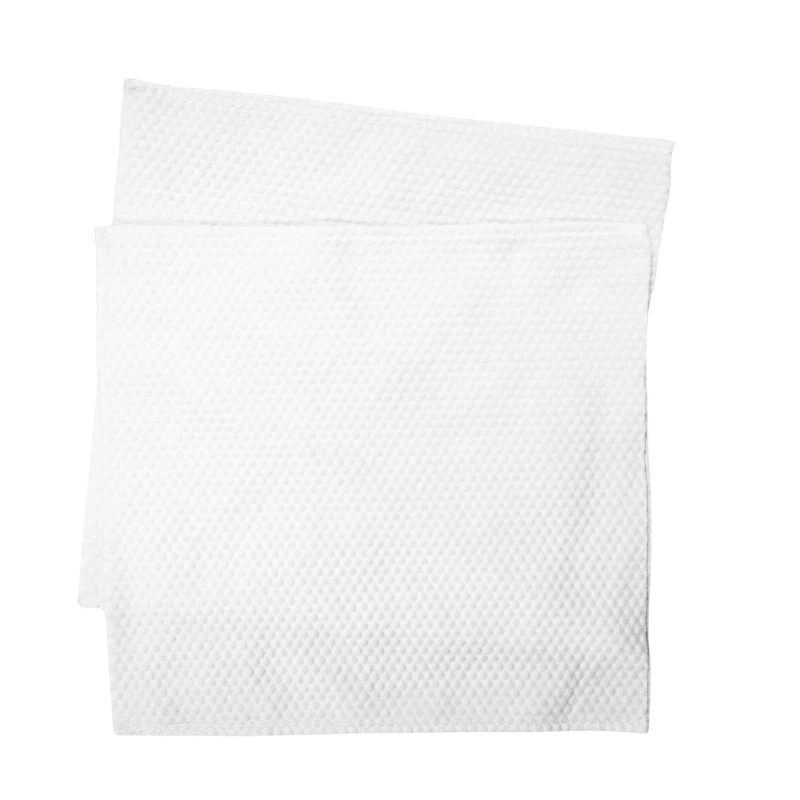
It is often made from nonwoven fabric. That can include cellulose fiber, wood pulp, and synthetic fiber.
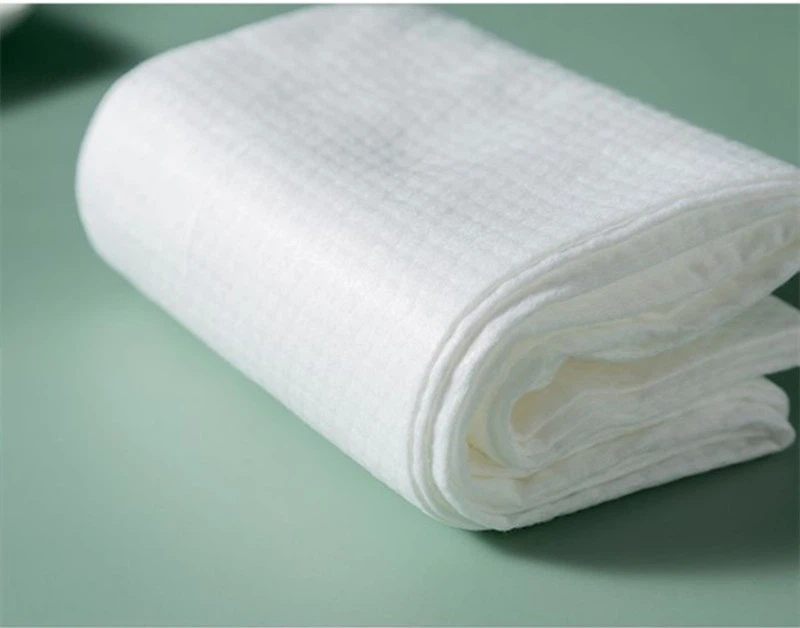
This makes disposable fabric towels feel soft. It also helps with absorbency, softness, durability, wet strength, and dry strength.
So, if you ask, what are disposable cloth towels? The short answer is this:
- they are cloth-like paper towels
- they are absorbent disposable towels
- they are soft disposable cloths
- they are throwaway cleaning cloths
- they are a paper towel alternative
- they are a cloth substitute for cleaning
Many people call them:
- disposable wiping cloths
- disposable kitchen wipes
- one-time use towels
- grab-and-throw cleaning cloths
- absorbent cleanup sheets
- cloth-texture disposable towels
How Are They Different?
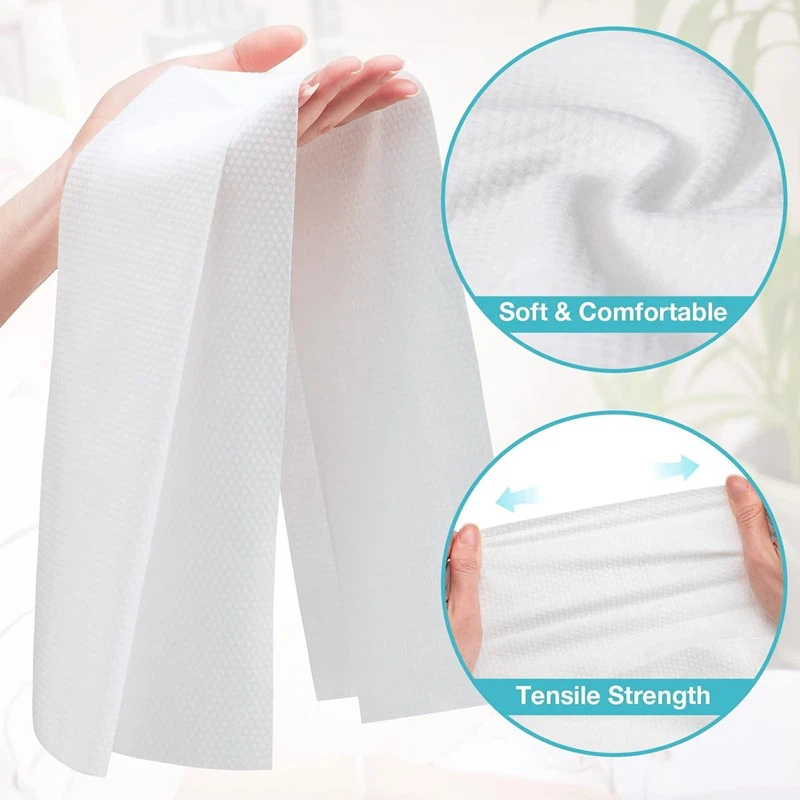
These towels sit between a paper towel and a reusable cloth.
Compared With Paper Towels
Many users want something stronger than paper towels. That is why they try disposable cloth towels.
They are often:
- more soft
- more strong when wet
- better for surface cleaning
- better for spill jobs
- better for grease and oil
- better for moisture pickup
This is why people look for:
- towel for liquid spills
- towel for drying surfaces
- surface drying towels
- moisture absorbing cloths
- oil absorbing towels
- grease wiping towels
Compared With Reusable Cloths
A reusable cloth, cleaning rag, or microfiber cloth can be used again.
That can save money. But a wet cloth can hold dirt. It can also raise bacteria transfer and cross-contamination risk.
That is why some people like a sanitary wiping solution or hygienic cleaning towels.
A single-use product can help in some jobs because it lowers contamination risk from a dirty old cloth.
This is one reason people search for:
- reusable vs disposable towels
- cloth towel hygiene
- cross-contamination prevention
- single-use cleaning benefits
- safer surface wiping

Why Do People Use Them?
People use them for household cleaning and quick cleanup task jobs.
They are part of many home cleaning essentials and cleaning supply kits.
Common uses include:
- countertop cleaning towels
- spill cleanup towels
- bathroom cleaning towels
- kitchen cleaning cloth alternative
- bathroom hand towel alternative
- guest towel alternative
- everyday wipe-down towels
- home hygiene towel option
They are used in the:
- kitchen
- bathroom
- dining table
- sink area
- food preparation area
- any high-touch surface
They also help in:
- caregiving
- childcare
- eldercare
- pet care
- a travel kit
So they can be:
- disposable towels for kitchens
- disposable towels for bathrooms
- disposable towels for pet cleanup
- disposable towels for childcare
- disposable towels for elderly care
- disposable towels for caregiving
- disposable towels for travel

Main Benefits in Simple Terms
These towels are made for quick cleanup products and mess cleanup solution needs.
Here are the big wins:
- absorbent household wipes pick up water fast
- wet and dry use towels work in more than one way
- soft strong wipes feel nice and hold up
- low-lint cleaning material can leave less lint
- heavy-duty disposable cloths can tackle bigger messes
- light-duty wiping towels work for small jobs
- they support a fast wipe-down routine
- they add convenience to home maintenance
People often want:
- disposable towel benefits
- simple explanation of disposable cloth towels
- when to use disposable cloth towels
- choosing disposable cleaning towels
What Public Data Tells Us
Here is the simple story from the table above.
Public home care reports often show that cloth-like paper towels can stay together better when wet. That matters for towel absorbency and towel strength when wet.
Public hygiene reports also often show that a wet old cloth may hold germs. That can raise cross-contamination in the home.
Public waste reports also say single-use cleaning towels can make more trash. So there is a trade-off.
Quick Data Table
Topic | What reports often show | What it means |
Wet strength | Disposable cloth towels often hold up better than plain paper in wet messes | Good for spill cleanup towels and safer surface wiping |
| Hygiene | Reused wet cloths may spread dirt from one spot to the next | Good for cross-contamination prevention |
| Time | People like fast cleanup with no washing step | Good for convenient cleaning products |
| Waste | A single-use product adds more trash than a reusable item | Think about disposable towel waste concerns |
| Cost | Repeat buying can cost more over time | Think about towel durability comparison and use case |
So yes, there is a trade. You get speed and a more practical hygiene supplies feel. But you may also get more waste.
This is why many people ask:
- are disposable cloth towels hygienic
- disposable towel environmental impact
- are disposable cloth towels worth it
When They Make the Most Sense
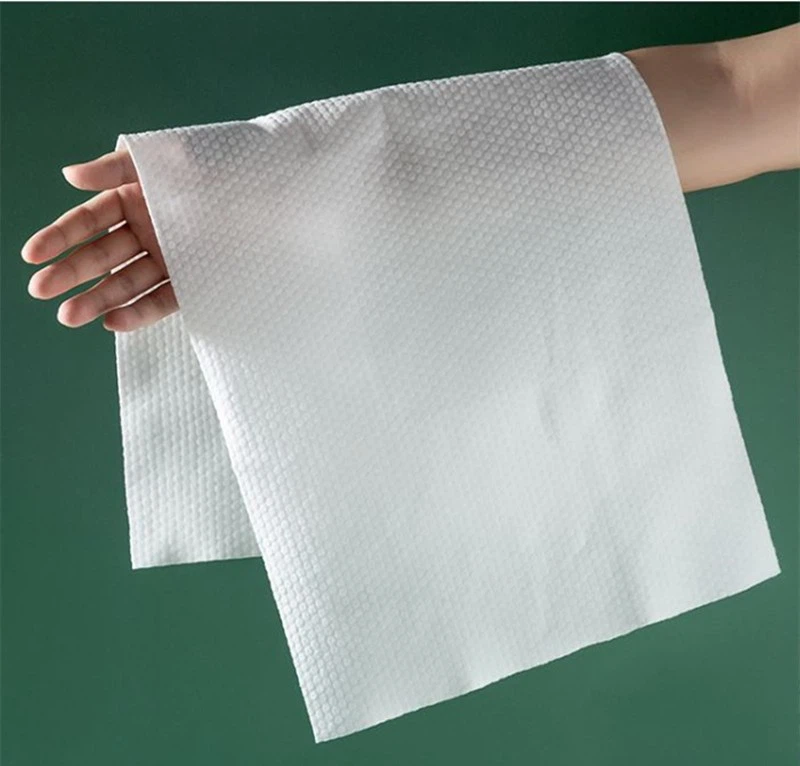
These towels are not for every job. But they are great in some places.
Use them for:
- a wet spill
- a dirty countertop
- the food preparation area
- a messy sink area
- a fast wipe of a high-touch surface
- pet messes
- care messes
- travel messes
They are good household absorbent products for times when you want a clean towel each time.
They work well for:
- disposable towels for sensitive cleaning
- germ-conscious cleaning options
- mess-free cleanup supplies
- everyday cleaning tools
- household sanitation products
- kitchen hygiene products
When Reusable Cloths May Be Better
A reusable cloth can still be the best pick.
Use one when:
- the mess is small
- you clean the same area each day
- you want less trash
- you want lower long-term cost
This matters in any cleaning supply comparison.
Many homes use both:
- disposable towels for dirty jobs
- a microfiber cloth or cleaning rag for easy jobs
That is a smart disposable cloth towel comparison idea.
How to Choose the Right One
Think about the cleaning towel material first.
Look for:
- good towel absorbency
- strong wet strength
- good dry strength
- low lint
- soft feel
- right size
- good texture
That is how people choose:
- textured towel
- absorbent sheet
- soft textured cleaning towels
- lint-free wiping towels
- multi-surface cleaning towels
- stronger disposable wipes
This helps answer:
- can disposable cloth towels replace rags
- can disposable cloth towels replace paper towels
The real answer is: They can replace them in some jobs, but not all jobs.
Simple Tips for Better Use
Try these easy tips:
- use one towel for one area
- do not wipe the kitchen and bathroom with the same towel
- use a fresh towel for a new mess
- wipe up moisture fast
- throw away very dirty towels
- keep them in your travel kit or kitchen drawer
These tips help with:
- disposal
- sanitation
- hygiene
- wipe-down routine
- cleanup task speed
They also make a good mess cleanup solution.

Are They Worth It?
The answer depends on your home.
They may be worth it if you want:
- a convenient cleaning product
- a sanitary wiping solution
- a fast cleanup tool
- a towel for greasy or wet messes
- less washing of cloths
They may not be worth it if you want:
- less waste
- the lowest cost
- one tool for every job
So, are disposable cloth towels worth it?
Yes, for some homes. No, for some homes. They are best as a smart tool, not the only tool.
This is the bottom line:
- they are disposable cloth towels
- they are soft, strong, and handy
- they help with fast and dirty messes
- they can lower contamination risk
- they can also raise trash and cost
That is the simple explanation of disposable cloth towels.

FAQs
1. What are disposable cloth towels?
They are single-use cleaning towels that feel like cloth. They are made for wiping, drying, and cleanup.
2. Are disposable cloth towels hygienic?
They can help with hygiene because you use a fresh towel and then throw it away. That can help lower cross-contamination.
3. Can disposable cloth towels replace rags?
They can replace a cleaning rag in some dirty jobs. But a reusable cloth is still better for some daily tasks.
4. Are they good for kitchens?
Yes. They are often used in the kitchen, on a countertop, and in the food preparation area. Use a fresh towel for each dirty job.
5. Are disposable cloth towels worth it?
They are worth it if you want speed, convenience, and a clean towel each time. They may not be best if you want less waste or lower long-term cost.


