



Disposable shoe covers are essential tools used in various settings-from hospitals and laboratories to cleanrooms, construction sites, and even home cleaning-to prevent cross-contamination, protect floors from dirt or damage, and maintain a sterile or clean environment. While they may seem simple to use, wearing them correctly is key to ensuring they function as intended. Improper wear can lead to slipping, tearing, or failure to block contaminants. Below is a detailed, easy-to-follow guide on how to put on a disposable shoe cover properly, along with important tips to maximize their effectiveness.

Before You Start: Preparation
Before putting on your disposable shoe cover, take a moment to prepare both yourself and the shoe cover to avoid mistakes. Here's what you need to do:
Wash or sanitize your hands: This is crucial, especially in sterile environments like hospitals or labs. Contaminated hands can transfer dirt, germs, or chemicals to the inside of the shoe cover, defeating its purpose. Use soap and water for 20 seconds, or a hand sanitizer with at least 60% alcohol if soap isn't available.

Inspect the shoe cover: Check the shoe cover for any tears, holes, or defects. Disposable shoe covers are typically made of thin plastic, non-woven fabric, or polyethylene, which can easily rip. If you find any damage, discard it immediately and use a new one.

Ensure dry feet and shoes: Make sure your shoes and feet are dry. Moisture can cause the shoe cover to slip off or tear, and it may also promote bacterial growth. If your shoes are wet, wipe them dry first or change into a dry pair before proceeding.

Choose the right size: Disposable shoe covers come in different sizes to fit various shoe types (sneakers, boots, dress shoes) and foot sizes. A cover that's too small will stretch and tear, while one that's too large will slip. Pick a size that matches your shoe size for a snug, secure fit.

Step-by-Step: Putting on the Disposable Shoe Cover
Once you're prepared, follow these simple steps to put on the shoe cover correctly. We'll use one foot as an example-repeat the process for the other foot:
Step 1: Hold the shoe cover properly
Take the shoe cover in both hands. Locate the opening (the larger end) and the heel area (usually marked by a thicker edge or a different color, depending on the design). Hold the cover by the edges of the opening, making sure not to touch the inside of the cover-this prevents cross-contamination.
Step 2: Stretch the opening wide
Gently stretch the opening of the shoe cover with both hands. Pull it wide enough to easily fit over your shoe. Be careful not to pull too hard, as this can tear the material. The goal is to create enough space to slide your foot in without resistance.

Step 3: Slide your foot into the cover
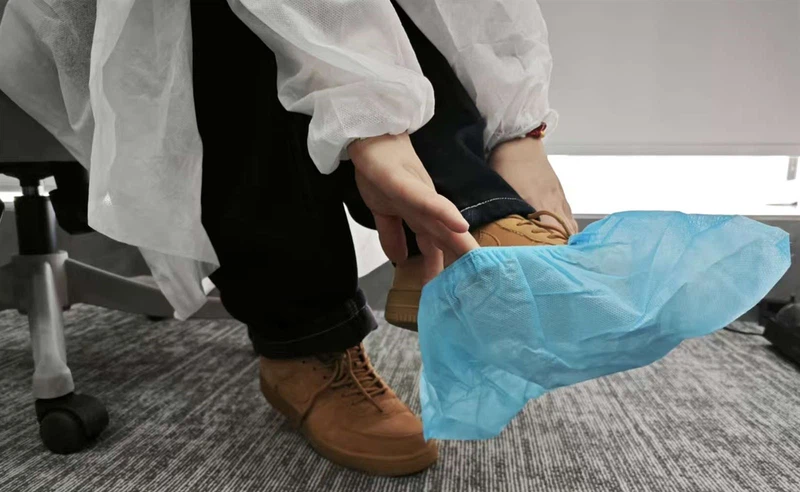
Place your toe into the opening of the shoe cover first. Slowly slide your foot forward until your toe reaches the front of the cover. Make sure the cover is centered on your foot-avoid putting it on crookedly, as this can cause it to slip or tear later.
Step 4: Pull the cover up to your ankle
Once your foot is fully inside the cover, use one hand to hold the front of the cover in place (near your toes) and the other hand to pull the back of the cover up toward your ankle. Pull it snugly so that it fits tightly around your shoe and ankle-there should be no loose fabric or gaps. The heel of the cover should align perfectly with your shoe's heel to prevent slipping.

Step 5: Adjust for a secure fit
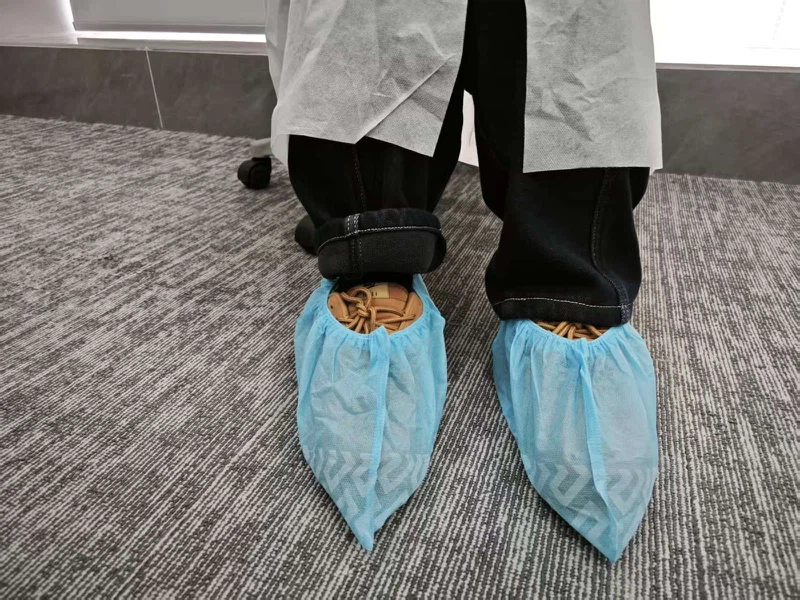
Take a moment to adjust the shoe cover. Smooth out any wrinkles or folds, especially around the toes and heel. Ensure that the entire sole of your shoe is covered-no part of your shoe should be exposed. If the cover has elastic around the ankle, make sure it's not too tight (which can be uncomfortable) or too loose (which can slip). For extra security, some shoe covers have a non-slip sole-double-check that this sole is flat against your shoe's sole to prevent slipping on smooth surfaces.

Step 6: Repeat for the other foot
Once the first shoe cover is securely in place, repeat steps 1 through 5 for your other foot. Make sure both covers fit equally snugly and are aligned correctly. Avoid walking around until both covers are on, as this can cause the first one to slip off.

Important Tips for Wearing Disposable Shoe Covers
To ensure your disposable shoe covers work effectively and last as long as needed, keep these tips in mind:
Do not reuse disposable shoe covers: As the name suggests, they are designed for single use only. Reusing them can lead to contamination, tearing, or loss of effectiveness. After use, remove them properly and discard them in a designated waste bin.
Avoid walking on rough surfaces: Disposable shoe covers are thin and can easily tear on rough or sharp surfaces (like gravel, concrete with cracks, or tools). Stick to smooth, clean floors whenever possible.
Replace torn covers immediately: If your shoe cover tears or gets a hole, take it off right away and put on a new one. A torn cover cannot protect against contaminants or dirt.
Do not touch the outside of the cover: Once the cover is on, avoid touching the outside (especially in sterile environments). The outside may have come into contact with contaminants, and touching it can transfer them to your hands or other surfaces.
Remove them correctly: When you're done using the shoe covers, remove them by pulling them down from the ankle, turning them inside out as you go. This traps any contaminants inside the cover, preventing them from spreading. Dispose of them immediately after removal.
Conclusion
Putting on a disposable shoe cover may seem like a simple task, but doing it correctly is essential for maintaining cleanliness, sterility, and safety in various environments. By following the step-by-step guide above-preparing properly, sliding the cover on correctly, and adjusting for a snug fit-you can ensure that your shoe covers function as intended. Remember to follow the important tips to avoid tears, contamination, and slipping. With a little care and attention to detail, you can easily and effectively wear disposable shoe covers in any setting.


