



What You Need to Know
Picking the right disposable sheet can be hard. Do you need a waterproof backing? Or is a standard disposable sheet good enough? Both are used one time and then thrown away. But they work very different. This guide will help you pick the best one.
What Are Disposable Waterproof Sheets?
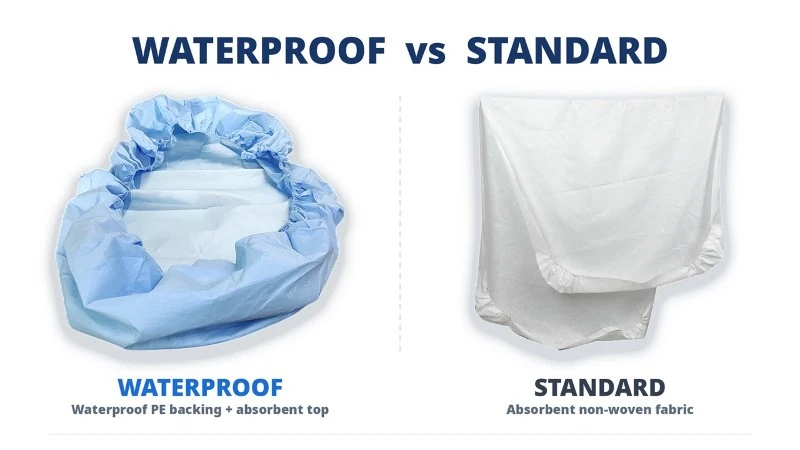
Disposable waterproof sheets are bed pads you use once. They have a plastic backing on the bottom. This stops liquid from going through to your bed. The top is soft and soaks up wetness.
How They Are Made
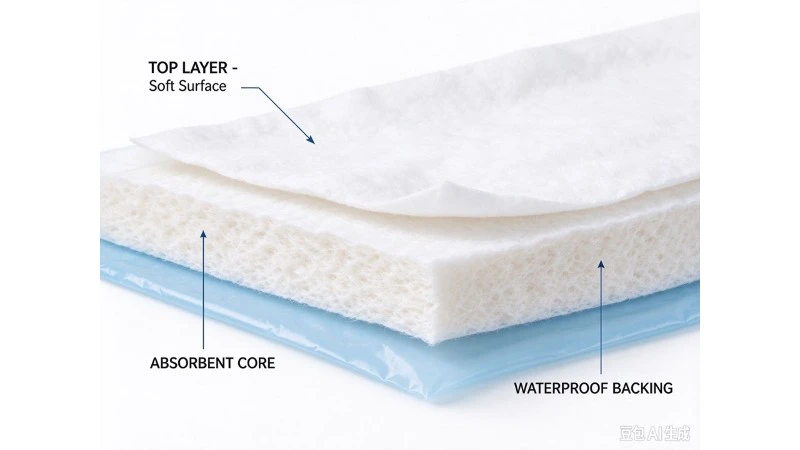
- Have 3 to 5 layers of material
- Top layer is soft
- Middle layer soaks up liquid
- Bottom has a waterproof layer
- Made with plastic film
What They Do
- Stop 100% of leaks to your mattress
- Hold 2 to 6 cups of liquid
- Keep beds dry and clean
- Protect from incontinence problems
- Work 95% to 98% of the time
Who Uses Them
People use waterproof sheets for:
- Hospital bed protection
- Old people who wet the bed
- After having a baby
- After surgery
- Kids who wet the bed
What Are Standard Disposable Sheets?
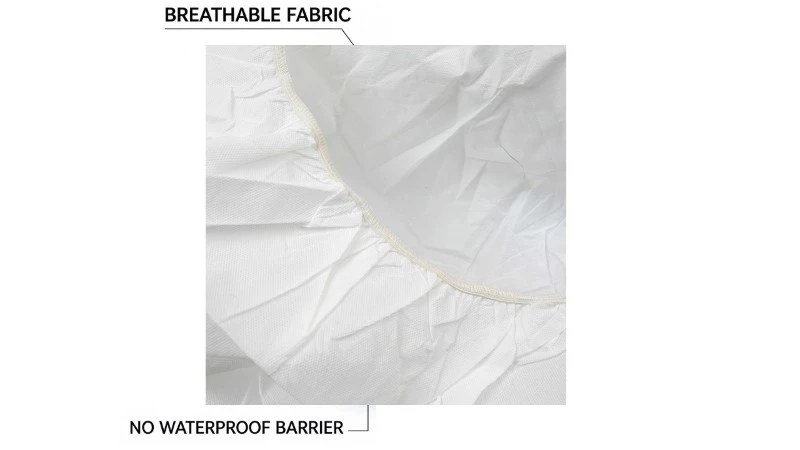
Standard disposable sheets are bed pads with no waterproof backing. They soak up liquid but let it pass through. They are soft and let air move through them.
How They Are Made
- Have 1 to 2 layers only
- Made of soft cloth-like stuff
- No plastic on bottom
- Very thin and light
- Let air pass through
What They Do
- Soak up 1 to 3 cups of liquid
- Do not stop leaks
- Keep surface clean
- Feel very soft
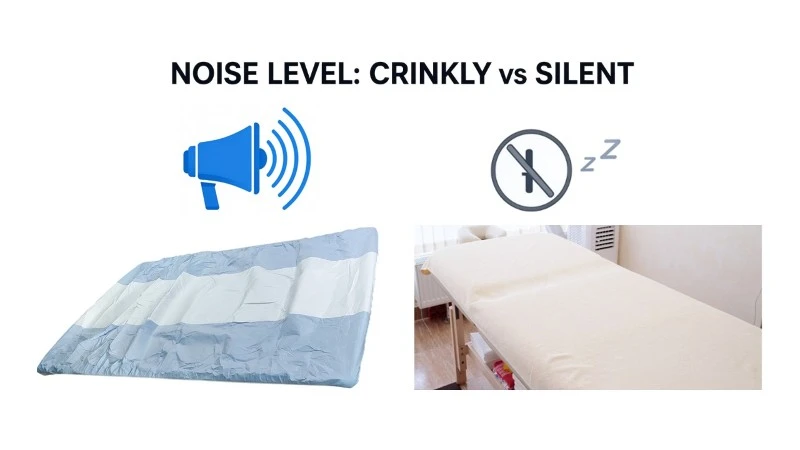
- Make no noise
Who Uses Them
People use standard sheets for:
- Doctor exam tables
- Massage tables
- Beauty shops
- Light messes only
- When you just need a clean top
Big Differences: Side by Side
Let me show you how they compare:
| What to Compare | Waterproof Sheets | Standard Sheets |
|---|---|---|
| Price Each | $1.50 to $3.50 | $0.40 to $1.20 |
| Stops Leaks | Yes - 100% | No - 0% |
| Holds Liquid | 2 to 6 cups | 1 to 3 cups |
| Layers | 3 to 5 layers | 1 to 2 layers |
| Weight | Heavy | Very light |
| Makes Noise | Yes - crinkly | No - silent |
| Lets Air Through | A little | A lot |
| Feels Soft | Not as soft | Very soft |
Cost: Which Costs More?
Price for One Sheet
- Waterproof sheets cost $1.50 to $3.50 each
- Standard sheets cost $0.40 to $1.20 each
- Waterproof costs 2.5 to 3 times more
Cost Each Day
If you change sheets 2 times per day:
- Waterproof: $3.00 to $7.00 per day
- Standard: $0.80 to $2.40 per day
Cost for One Year
- Waterproof: $1,095 to $2,555 per year
- Standard: $292 to $876 per year
- You spend $800 to $1,680 more for waterproof
But Wait - The Hidden Savings
A new mattress costs $200 to $1,500. If waterproof sheets save your mattress just one time, they pay for themselves. Hospitals say they spend 85% less on new mattresses when they use waterproof sheets.
Comfort: Which Feels Better?
Comfort is very important when you rest or sleep.
What People Say
| Comfort | Waterproof | Standard |
|---|---|---|
| Happy Users | 68% | 79% |
| Comfort Score | 6.0 to 7.5 out of 10 | 7.5 to 8.5 out of 10 |
| Makes Noise | Yes - 78% hear it | No - very quiet |
| Stays Cool | No - adds 2 to 4 degrees | Yes - stays cool |
| Feels Sticky | Yes - 68% feel sweaty | No - only 15% feel damp |
Standard sheets win for comfort. They are 15% to 20% more comfortable. They make no noise. They let your skin breathe.
Protection: Which Works Better?
This is the most important difference.
Waterproof Sheets
- Stop 95% to 98% of all leaks
- Liquid stays on top of sheet
- Your mattress stays dry
- 100% mattress protection
- Keep smells locked in better
Standard Sheets
- Stop 0% of leaks
- Liquid soaks through to bed
- Your mattress gets wet
- No protection for what is under
- Do not hold in smells
If you need to keep your bed dry, you must use waterproof sheets. Standard sheets do not protect beds at all.
Skin Health: Which Is Safer?
Your skin needs to breathe and stay dry.
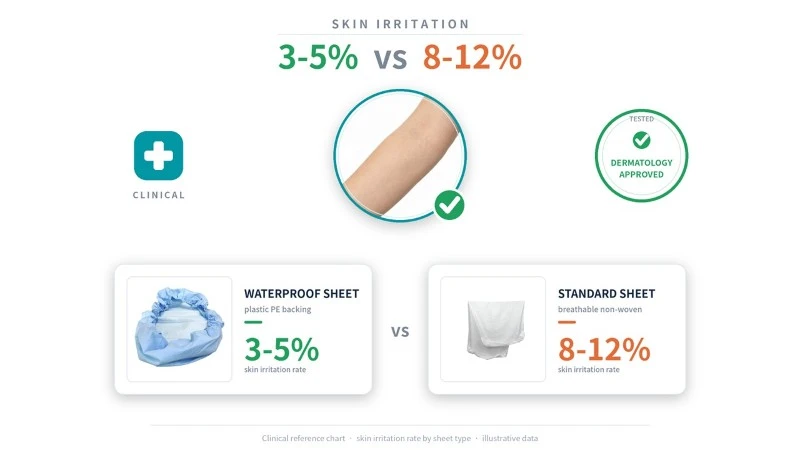
3% to 5% get skin problems from standard sheets
8% to 12% get skin problems from waterproof sheets
Waterproof plastic can make rashes
Waterproof traps sweat and heat
Standard sheets are better for sensitive skin.
Where People Use Each Type
Waterproof Sheet Places
- 92% of hospitals use waterproof
- 75% of home care for people who wet the bed
- 70% of travelers bring waterproof sheets
- 82% of caregivers like waterproof for big messes
Standard Sheet Places
- 92% of spas use standard
- 78% of doctor exam rooms use standard
- 85% of massage places use standard
- Beauty shops almost always use standard
How to Pick the Right One
Pick Waterproof Sheets When:
- You need to protect your mattress
- Someone wets the bed a lot
- You care for old people at home
- Lots of liquid might spill
- You are in a hospital or care home
- Keeping beds dry is most important
- You can spend more money
Pick Standard Sheets When:
- You only need a clean top surface
- The surface under is already waterproof
- You want the softest feel
- Quiet sheets matter
- Staying cool is important
- You want to spend less
- Used at exam tables or massage beds
Smart Tips
For Waterproof Sheets
- Buy the right size to cover wet spots
- Put it plastic side down
- Tuck edges under mattress if you can
- Change when it gets full
- Throw away in trash - do not wash
- Keep 30 to 60 sheets if you use every day
For Standard Sheets
- Good for quick exam table changes
- Use on top of waterproof mattress covers
- Change more often - every 2 to 4 hours
- Can be used for many things
- Need 60 to 90 sheets per month
- Much lighter to carry
What Most People Choose
Here are the real numbers:
- 92% of hospitals pick waterproof
- 92% of beauty places pick standard
- 75% of people caring for old family use waterproof
- 79% of users like standard sheets better when they do not need leak protection
The Bottom Line
There is no one right answer. Your best pick depends on what you need most.
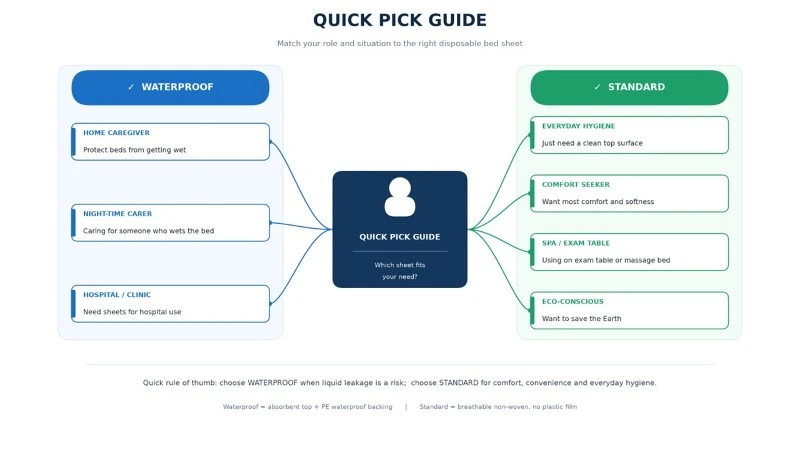
Quick Pick Guide
Need to protect beds from getting wet? → Pick waterproof
Just need a clean top surface? → Pick standard
Want most comfort and softness? → Pick standard
Caring for someone who wets the bed? → Pick waterproof
Using on exam table or massage bed? → Pick standard
Want to save Earth? → Pick standard
Need sheets for hospital? → Pick waterproof
Both types work well when used right. The key is to match the sheet type to what you really need. Think about:
- Do you need leak protection?
- How much can you spend?
- Is comfort most important?
- Where will you use them?
Pick the one that fits your needs best. You can always try one type first. If it does not work, switch to the other. Many places keep both types on hand and use each one when it fits best.
Remember: Waterproof sheets protect beds. Standard sheets give comfort. Know what matters most to you, then choose with confidence.


