



Okay so here is something I never really thought about until recently.
Are disposable kitchen towels and disposable hand towels actually different things? Or are we all just grabbing whatever is closest and calling it a day?
Turns out - they are very different. And it actually matters more than most people realize.
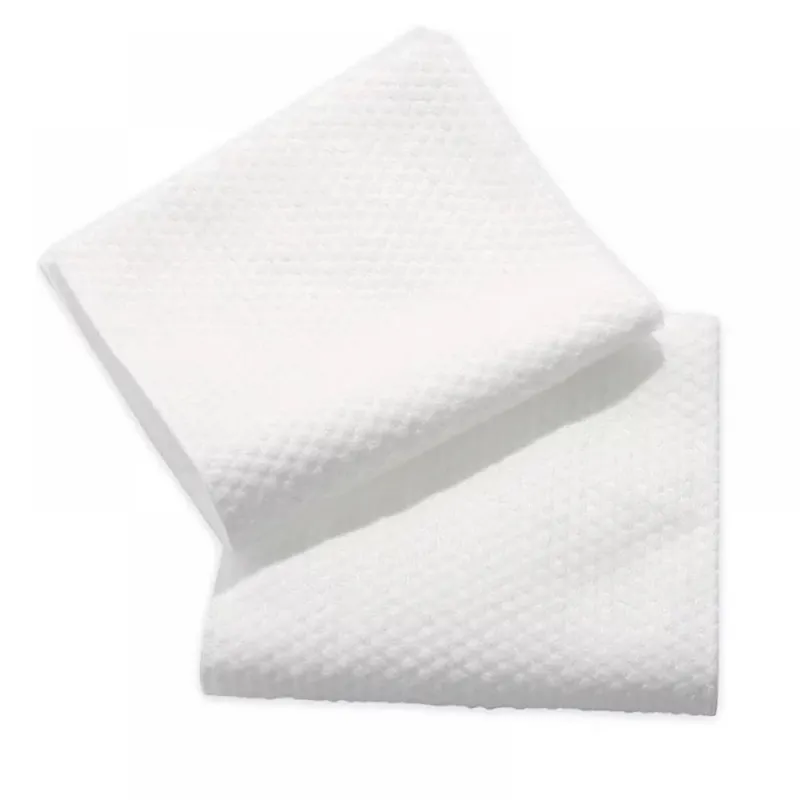
So What Is the Actual Difference?
The simplest way to put it is this.
A disposable kitchen towel is built for your kitchen. Full stop. It handles the tough stuff - drying dishes, wiping down food preparation areas, soaking up grease spills, cleaning up after raw meat. It needs to be strong when wet, dry fast, and leave zero lint behind. If you have ever dried a wine glass with the wrong towel and held it up to the light only to see a cloud of tiny fibers stuck to it - yeah, that is a lint problem.

A disposable hand towel is built for your hands. It lives in the bathroom or next to a sink. Its whole job is to feel soft and comfortable when you dry your hands after washing. It also does a lot of work in guest bathrooms - it needs to look neat and welcoming, not just functional.
Here is the thing though. Around 44% of households treat these two things as interchangeable. Just grab whatever is there. And honestly I get it - they look similar. But that habit creates some real problems, especially around bacteria and cross contamination in the kitchen.
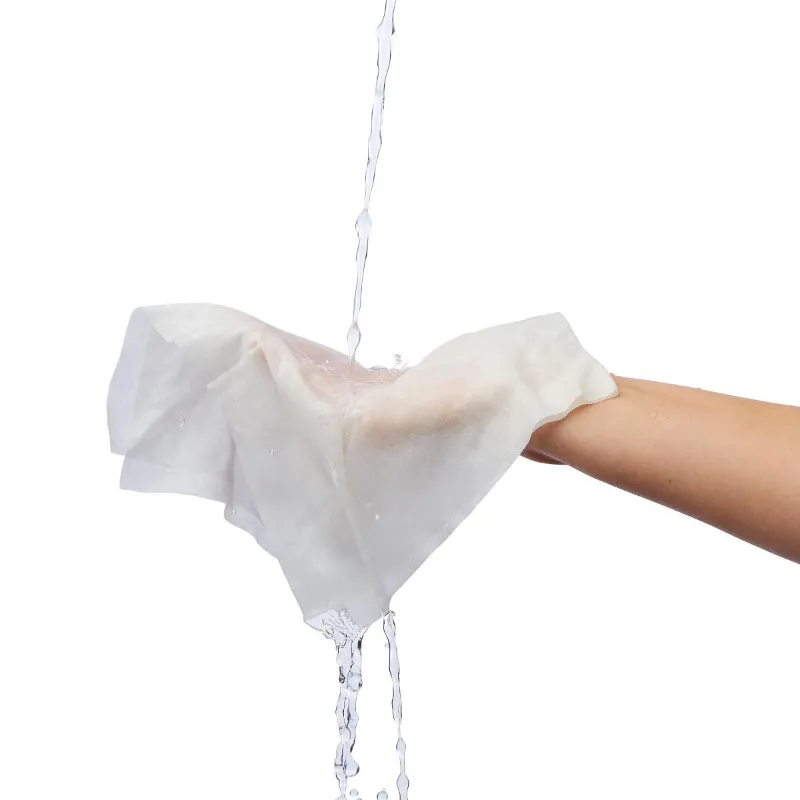
They Are Not Even the Same Size
I did not know this until I actually looked it up. The sizes are different on purpose.
|
Towel Type |
Typical Width |
Typical Length |
|
Disposable kitchen towel |
12–15 inches |
13–17 inches |
|
Disposable hand towel |
8–12 inches |
11–14 inches |
|
Disposable fingertip towel |
8–10 inches |
10–12 inches |
|
Disposable guest towel |
8–11 inches |
11–13 inches |
Disposable kitchen towels are noticeably bigger. You need that extra surface area when you are wiping down a large cutting board or drying a pile of dishes after a big meal. A tiny hand towel is just not going to cut it for that job.
Disposable hand towels are smaller and shaped to wrap comfortably around your hands. They fit neatly in a dispenser next to the bathroom sink or fold nicely on a towel bar. That smaller size is completely intentional - you really do not need a massive sheet just to dry your hands after washing them.
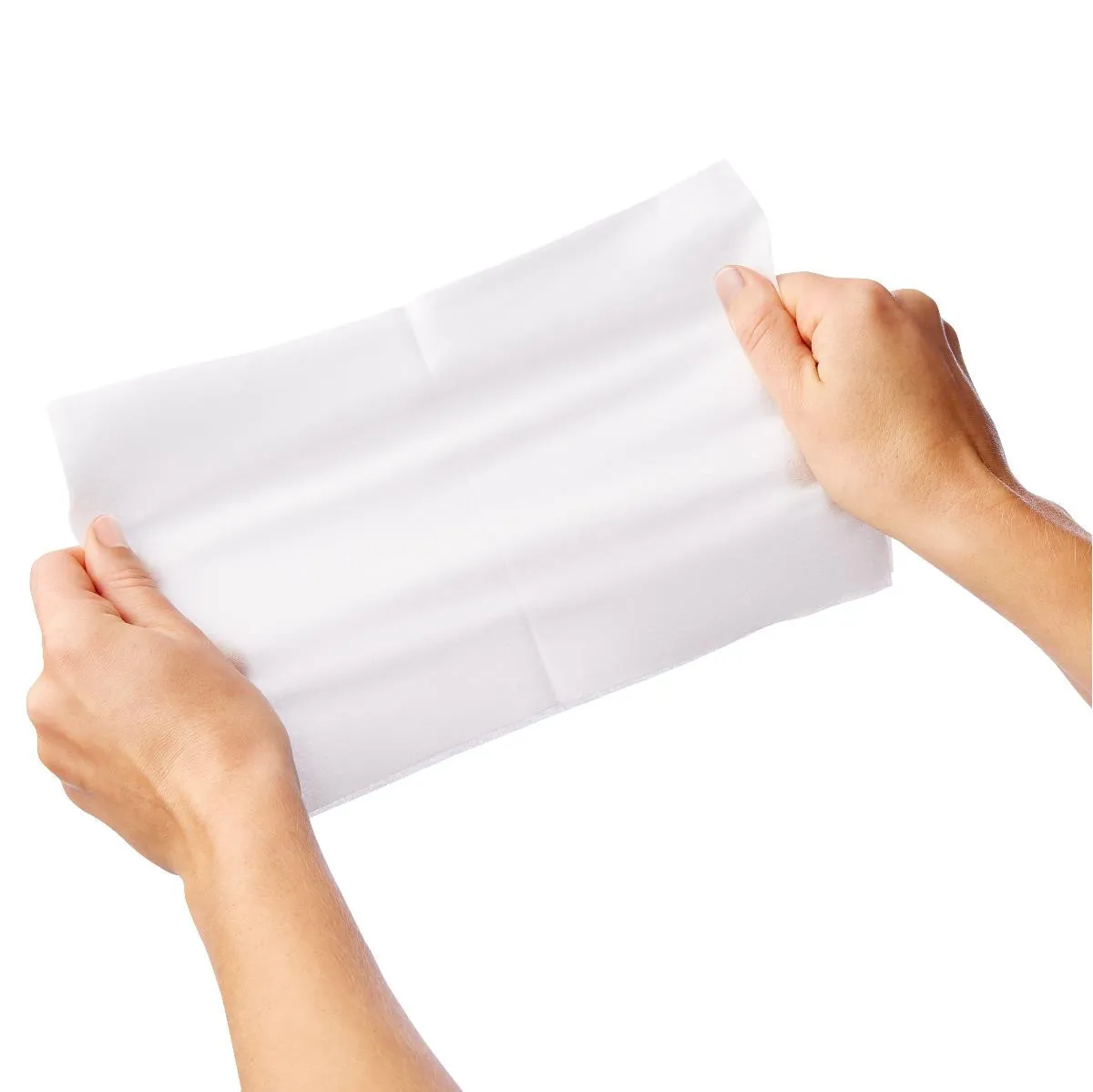
The Material Difference - This Is the Part Most People Skip
And honestly it is the most important part of all of this.
What Makes a Good Disposable Kitchen Towel
The materials used in disposable kitchen towels are chosen specifically because kitchens are tough environments. Here is what you will typically find:
Flat weave nonwoven fabric - stays low on lint, dries surfaces fast, handles dishes and counters really well
Microfiber disposable sheets - produces literally zero lint, leaves glass completely streak-free, kind of impressive for something you throw away after one use
Cellulose and cotton blend - stays strong even when completely soaking wet, cuts through grease, great for spill cleanup
Bamboo fiber disposable sheets - low lint, dries fast, and a genuinely good eco-friendly option if that matters to you
The thing all of these have in common is low lint production. That is the number one priority in the kitchen. The GSM (grams per square meter) on kitchen towels usually runs between 40 and 80 GSM - lighter, faster drying, built to do a job and get tossed without drama.

What Makes a Good Disposable Hand Towel
Disposable hand towels are working from a completely different set of priorities:
Soft nonwoven fabric - gentle against skin, absorbs moisture well, just comfortable to use
Organic cotton disposable sheets - really soft, skin-friendly, breaks down after you throw it away
Bamboo disposable towels - naturally antimicrobial, soft, genuinely great for sensitive skin
Airlaid paper - thick and soft, honestly feels almost like real cloth when you use it, soaks up moisture from hands really effectively
These sit at a higher GSM - usually somewhere between 50 and 120 GSM. That extra thickness feels great on your hands. But grab one of these to dry a wet dish and you will see the problem immediately. Too thick, too slow, and you will end up with streaks and leftover moisture on everything you touch.
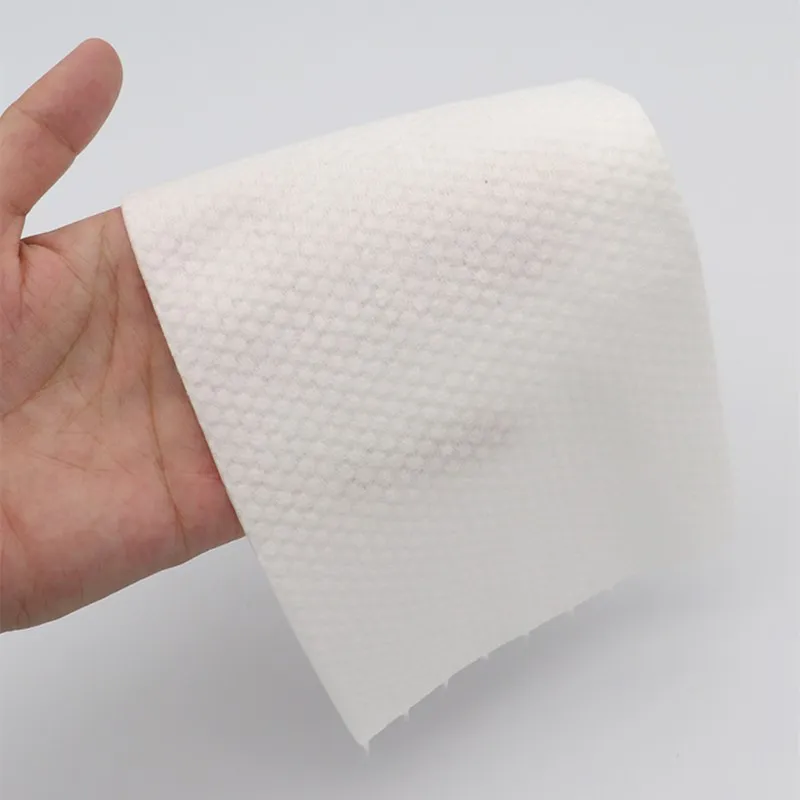
How They Actually Stack Up Against Each Other
Here is a straight side-by-side so you can see exactly what each material does in real use:
|
Material |
Absorbency |
Lint |
Drying Speed |
Best For |
|
Flat weave nonwoven |
Moderate–High |
Very Low |
Very Fast |
Dishes and kitchen surfaces |
|
Microfiber disposable |
Very High |
None |
Very Fast |
Streak-free glass drying |
|
Cellulose cotton blend |
High |
Low |
Fast |
Kitchen spill cleanup |
|
Bamboo disposable |
High |
Low |
Fast |
Eco-friendly kitchen use |
|
Soft nonwoven |
High |
Low |
Moderate |
Hand drying in bathroom |
|
Organic cotton disposable |
Very High |
Low |
Moderate |
Hand drying, sensitive skin |
|
Airlaid paper |
Very High |
Very Low |
Moderate |
Soft hand drying, guest bathrooms |
Even with disposable products the towel weave type and fabric type make a real difference in how they actually perform. It is not just marketing.
The Hygiene Stuff - and Please Do Not Skip This Part
Here is where a lot of people get a false sense of security with disposable towels.
Yes, going disposable eliminates the long-term bacteria buildup problem that comes with reusable towels. Research shows 49% of reusable kitchen towels test positive for bacterial growth after just one week of regular use. That is genuinely alarming. Disposable towels completely sidestep that issue.
But here is the catch. Disposable towels only protect you if you actually use them the right way.
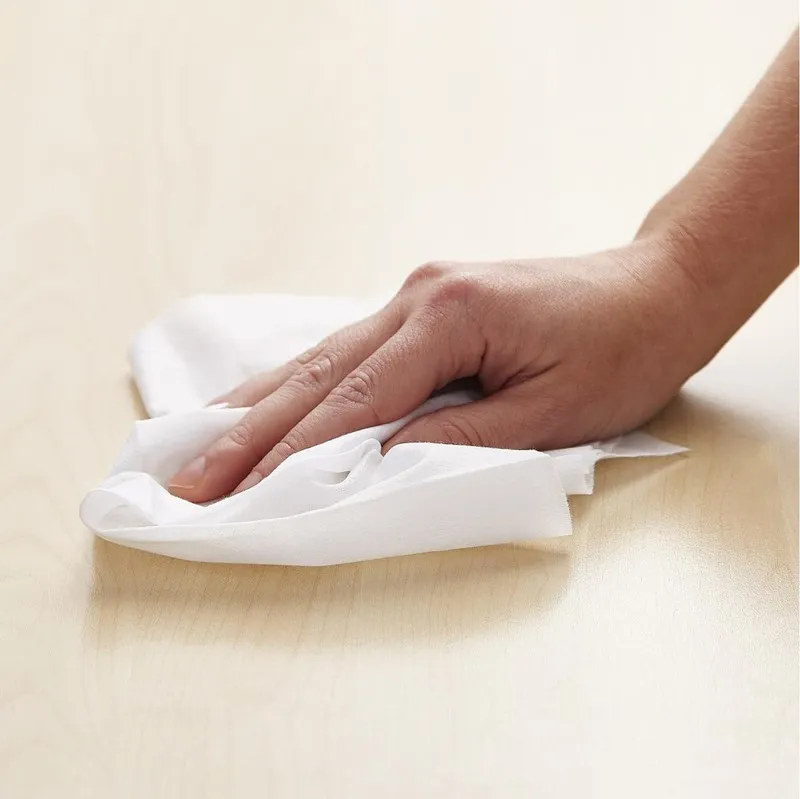
If you grab one disposable kitchen towel, use it to wipe a surface that had raw chicken on it, and then dry a plate with the same towel - you just spread bacteria from one surface to another. The fact that the towel is disposable does not change what happened in that moment. Cross contamination is an in-the-moment problem, not a long-term one.
|
Risk Factor |
Disposable Kitchen Towels |
Disposable Hand Towels |
|
Main contamination source |
Raw food, grease, dirty surfaces |
Skin bacteria, soap residue |
|
Cross contamination risk |
High if reused within same task |
Low to moderate |
|
Bacteria spread speed |
Fast if used across multiple surfaces |
Moderate |
|
Safest material |
Microfiber disposable or cellulose blend |
Bamboo disposable or organic cotton |
Research actually shows kitchen towels are 3 times more likely to spread bacteria to food prep surfaces than hand towels - and that includes disposable ones when people use them carelessly. The rule that actually keeps you safe is not complicated. One towel. One task. Toss it.
When Should You Actually Throw It Away?
More people than you would think stretch their disposable towels way further than they should. Around 60% of households do this. Here is a simple guide:
|
Towel Type |
When to Toss It |
|
Disposable kitchen towel (standard) |
After one task - one surface wipe or one dish-drying session |
|
Disposable kitchen towel (heavy duty) |
After one full cooking cleanup - not multiple sessions |
|
Disposable hand towel |
After drying hands once |
|
Disposable guest towel |
After one guest uses it |
|
Disposable fingertip towel |
After one use, no exceptions |
You Can Go Disposable and Still Be Responsible About It
Here is what is actually worth buying right now:
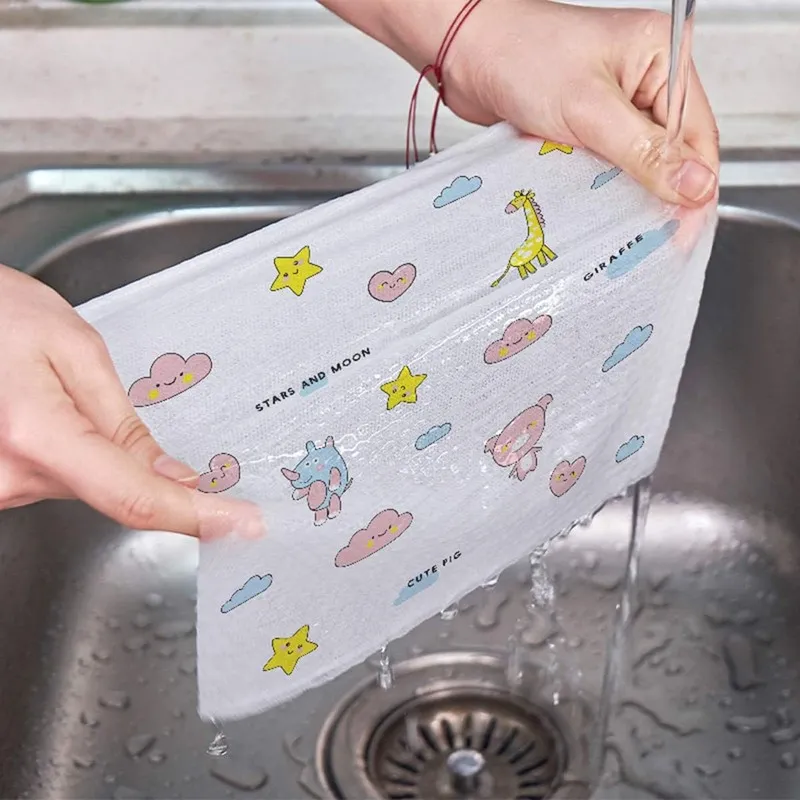
Bamboo fiber disposable towels - biodegradable, naturally antimicrobial, low lint, dries fast
Organic cotton disposable towels - soft, compostable, kind on skin and the environment
Cellulose based disposable towels - plant-based, breaks down quickly, handles kitchen messes really well
Recycled fiber disposable towels - made from post-consumer materials, noticeably lower environmental footprint
Right now only about 35% of people choose compostable or biodegradable disposable towels when they shop. That number is growing though. More people are realizing you do not have to choose between convenience and being thoughtful about waste. You can have both.
The Guest Bathroom Thing Is Actually a Big Deal
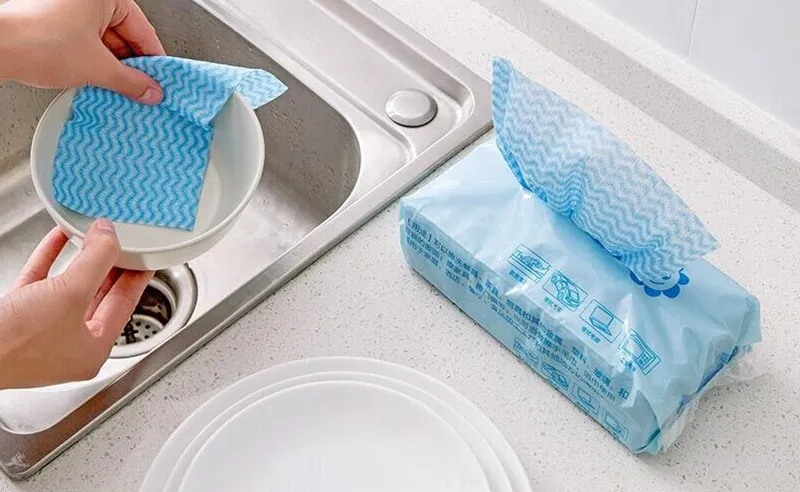
Disposable hand towels - especially disposable guest towels and disposable fingertip towels - have become genuinely popular for making a guest bathroom feel polished and intentional.
They come in different colors, patterns, and textures now. Some have embossed designs. Some feel almost identical to real cloth. It is a small detail that makes a surprisingly big impression.

Disposable kitchen towels can look nice too - kitchen towel patterns have become part of home kitchen style. But in the kitchen always let absorbency, lint production, and fabric type drive your decision first. Looks are secondary when you are dealing with raw food and grease.

A Simple Guide for Buying the Right One
Stop overthinking it. Here is exactly what to grab:
|
Your Need |
Best Towel Type |
Best Material |
|
Drying dishes and glasses |
Disposable kitchen towel |
Microfiber or flat weave nonwoven |
|
Wiping kitchen surfaces |
Disposable kitchen towel |
Cellulose cotton blend |
|
Cleaning up kitchen spills |
Disposable kitchen towel |
Heavy duty cellulose blend |
|
Drying hands in bathroom |
Disposable hand towel |
Soft nonwoven or airlaid paper |
|
Sensitive skin |
Disposable hand towel |
Bamboo or organic cotton disposable |
|
Guest bathroom display |
Disposable fingertip or guest towel |
Soft embossed nonwoven |
|
Eco-friendly kitchen use |
Disposable kitchen towel |
Bamboo fiber or cellulose based |
|
Eco-friendly bathroom use |
Disposable hand towel |
Organic cotton or bamboo disposable |
Keep them in separate spots. Separate dispensers if you can manage it. That one small change eliminates most of the hygiene problems people run into without even realizing what is causing them.


