



You should wear a disposable apron when a job may make your clothes dirty or may spread germs, fluids, food, dust, or chemicals. A disposable apron is part of personal protective equipment (PPE). It helps with infection prevention and control (IPC), stops cross-contamination, and lowers contamination risk in many work areas. This is the core of disposable apron use, when to wear disposable aprons, and single-use apron guidelines.
Quick Answer
Use a disposable apron when there is a risk of contamination from:
- blood
- bodily fluids
- wound care
- dressing change
- food preparation
- raw food handling
- domestic cleaning
- environmental cleaning
- decontamination
- clinical waste
- contaminated linen
- chemical handling
- splash risk
That is why when should PPE aprons be used is a common question in healthcare, food safety, and sanitation work.

What Is a Disposable Apron?
A disposable apron is single-use PPE. It covers the front of your uniform and acts as protective barrier clothing. Many jobs use a plastic apron safety design or a waterproof apron protection style for better cover. This is part of apron PPE requirements, protective apron usage, and personal protective equipment apron rules.
You may also use other PPE with it, such as gloves, a face mask, a gown, or a waterproof apron. For example, a carer may wear a disposable apron with gloves during toileting assistance or bathing assistance. In higher-risk jobs, a worker may need a protective isolation gown aami level 2, a medical face mask with earloop, or disposable polyethylene gloves. These items support PPE requirements for aprons and apron and glove use together.
When Should Disposable Aprons Be Worn?
Here are the main times for when is an apron required.
1. In Healthcare and Social Care
A healthcare worker, nurse, or caregiver should use a healthcare disposable apron policy when giving patient care apron use. This includes:
- apron use during personal care
- apron use while bathing patients
- apron for toileting assistance
- apron use during dressing changes
- apron use during wound care
- apron for blood and body fluids
- apron before contact with patient surroundings
This applies in a hospital, clinic, care home, nursing home, community care, outpatient care, and residential care. It also helps in infection control in social care, infection prevention PPE apron, and apron use with standard precautions or contact precautions.

2. During Cleaning and Dirty Jobs
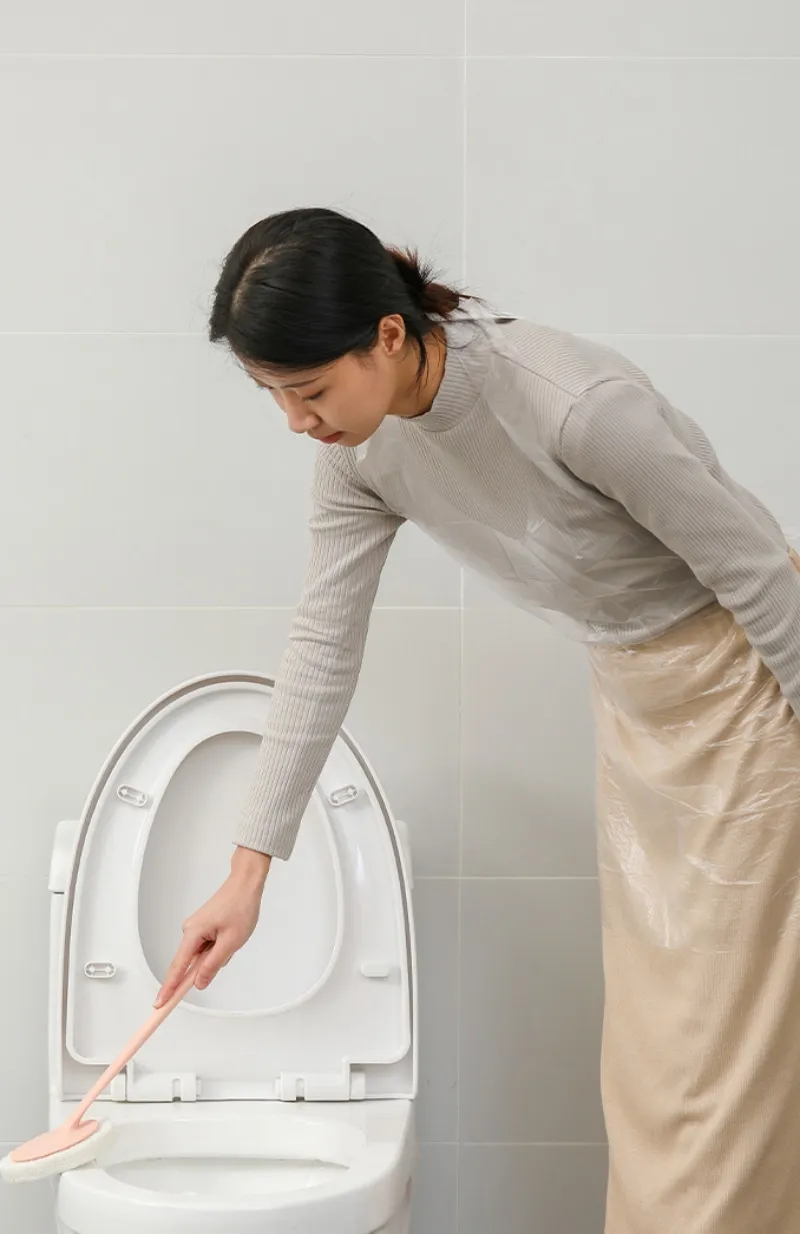
Wear a PPE apron for cleaning for apron use for domestic cleaning, apron use in environmental cleaning, and apron use for disinfection tasks. A cleaner or support worker may need one for:
- toilets
- spills
- waste bins
- handling contaminated materials
- apron use for decontamination work
- protective apron for sanitation
This is key for cross-contamination prevention apron practice and apron handling contaminated materials.
3. In Food Work
A food handler or kitchen staff should wear one during food preparation protective clothing tasks. This includes:
- food hygiene apron rules
- food safety disposable apron
- apron for raw food handling
- hygiene apron for catering
- apron for kitchen staff
- apron use in butcher shops
This helps with food safety, food preparation, and contamination control clothing.

4. For Laundry, Waste, and Samples
Use an apron for:
- apron use for laundry handling
- apron for handling soiled linen
- clinical waste handling apron
- apron use for specimen handling
- work in a laboratory
- support tasks in phlebotomy
A laboratory team member may also use a disposable lab coat with cuffs for added cover.

5. In Other Workplaces
You may also need an apron in:
- apron use in dental clinics
- apron in veterinary practice
- apron use in salons and spas
- beauty treatment hygiene apron
- apron use in nursery settings
- apron use in schools for hygiene
- apron use in ambulance services
- apron for first aid situations
- apron use in occupational hygiene
- apron use and workplace safety
Simple Table: When to Wear One
| Setting | When to wear a disposable apron | Why |
|---|---|---|
| Hospital | patient care, wound care, blood, bodily fluids | Stops cross-contamination |
| Care home | bathing assistance, toileting assistance, laundry handling | Protects uniform |
| Kitchen | raw food handling, meal service | Supports food safety |
| Cleaning | domestic cleaning, disinfection, spill clean-up | Lowers contamination risk |
| Laboratory | specimen handling and dirty support work | Adds splash protection |
Who Should Wear Disposable Aprons?
Common users include:
- healthcare worker
- nurse
- caregiver
- patient support staff
- cleaner
- support worker
- food handler
- kitchen staff
This covers PPE for carers, PPE apron for caregivers, and PPE apron for support workers.

When Should You Change It?
A single patient use apron must be changed often. Good disposable apron best practices say:
- change apron between tasks
- apron disposal procedures after use
- disposable apron after each use
- apron change between residents
- apron during infection outbreaks
- never reuse single-use protective clothing
That is basic disposable apron compliance, disposable apron indications, and clinical PPE apron standards.
How to Put On and Take Off an Apron
Safe apron donning and doffing steps are simple:
- Do hand hygiene first.
- Put on the apron and tie it.
- Add gloves or a plastic apron for hospital if the job needs more cover.
- Remove it after the task.
- Roll the dirty side in.
- Throw it away.
- Clean your hands again.
This is important for hand hygiene and apron use.
When It May Not Be Needed
You may not need one for desk work or other clean, low-risk tasks. Still, always follow apron risk assessment guidance, wear apron for contamination risk, and your site hygiene protocol. Some jobs may need a disposable medical protective coverall instead of an apron alone.
Final Answer
So, when should disposable aprons be worn? Wear one any time your work may soil your clothes or spread germs, fluids, food, dirt, or chemicals. That includes healthcare worker apron protocol, apron use in medical settings, apron use in hospitals, apron use in care homes, apron use in nursing homes, apron use in community care, apron use for housekeeping staff, apron in infection prevention and control, apron for splash protection, apron for dirty tasks, apron for clean tasks contamination risk, apron use before aseptic tasks, apron for isolation precautions, apron use in outpatient care, apron use in residential care, and apron use in care assistance.
For more PPE and product help, you can also visit the Knowledge page.


