

Disposable Underwear: What It Is and Who Actually Needs It?
You wear it once. Then it goes in the trash. No washing, no folding, nothing.
That's disposable underwear in a nutshell. Sounds odd at first, but once you see how many people use it, it starts to make a lot of sense.
What Is Disposable Underwear?
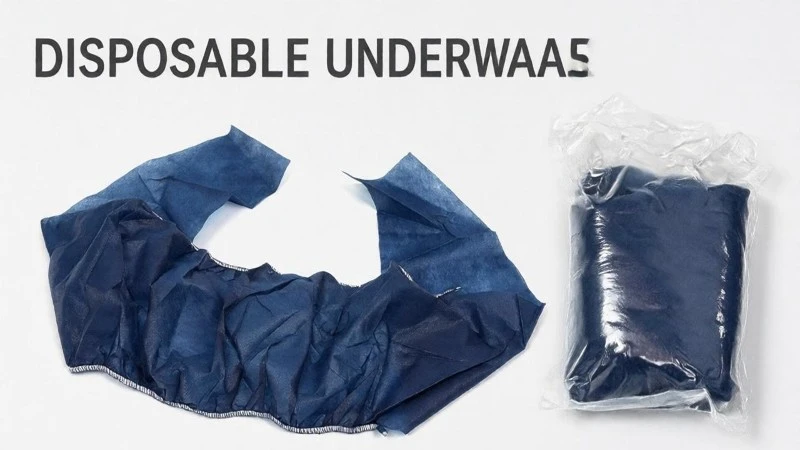
It's underwear made for one-time use. You wear it, you toss it, you're done.
Most of it comes from non-woven fabric, sometimes blended with cotton for a softer feel against the skin. It looks pretty close to regular underwear, but it's lighter and stretchier.
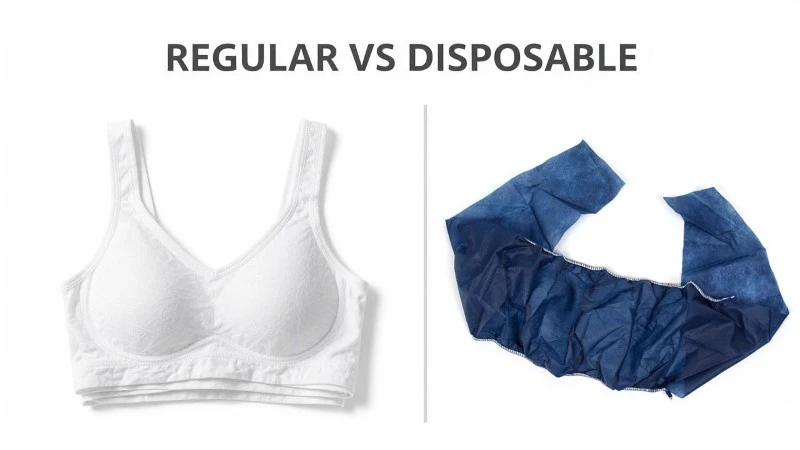
So how does it stack up against what's in your drawer right now?
| Regular Underwear | Disposable Underwear |
|---|---|
| Washed over and over | Worn once, then thrown away |
| Built to last years | Built for a single use |
| Needs laundry | Skips laundry entirely |
| Thicker fabric | Light, soft fabric |
How Is It Made?
The fabric isn't woven the usual way. It's pressed together, which is what gives non-woven fabric its soft, almost paper-like feel (though much more stretchy).
A few design choices show up again and again:
- An elastic waistband that stretches to fit different body sizes
- Soft edges around the waist, so nothing rubs or pinches
- Fabric that breathes, so it doesn't trap heat
Each pair ships in its own sealed pack. Open it right before you wear it, and it's still clean and fresh.
Why People Actually Use It
A few reasons keep coming up:
- No laundry. That alone saves a surprising amount of time.
- Always clean. Sealed packaging means no guesswork.
- Barely takes up space. A dozen pairs can fit where one pair of jeans would.
- Gentle on skin. The soft fabric doesn't irritate like some regular underwear can.
Who Actually Needs It?
Here's where it gets interesting. This isn't just a novelty item. Specific groups of people rely on it for real reasons.
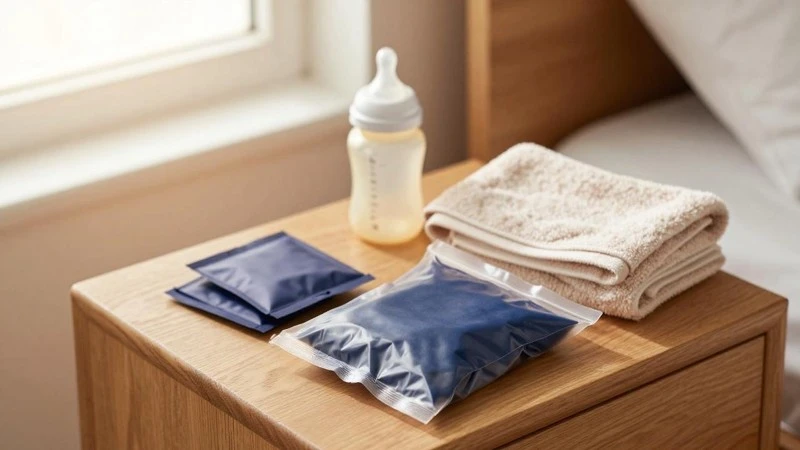
- New moms. After giving birth, the body needs gentle care. A lot of doctors recommend disposable underwear in the first couple of weeks of postpartum recovery, since it's easy to change often without added stress.
- People recovering from surgery. Healing skin doesn't want pressure or friction. Hospitals often use disposable underwear because it's simple to switch out and doesn't interfere with recovery.
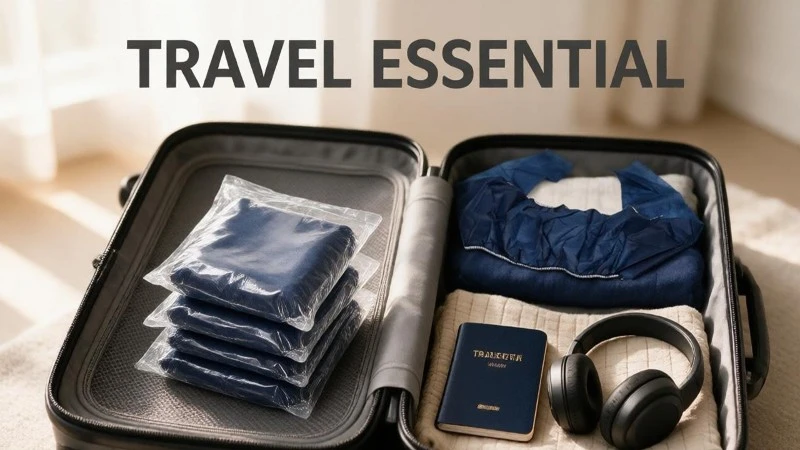
- Travelers. Anyone who's tried to pack light knows the struggle. Disposable underwear solves it. Pack several pairs in almost no space, wear, toss, repeat. No dirty laundry coming home with you.
- Campers and hikers. Clean water isn't always nearby on the trail. Washing clothes outdoors is a hassle most people would rather skip. This is where disposable underwear quietly earns its keep.
- Gym-goers and athletes. After a tough workout, a quick, clean change matters, especially when traveling for games or events.
- Elderly individuals and their caregivers. Disposable underwear makes changes faster and less awkward for everyone involved.
- People with sensitive skin. Rough fabric can cause rashes for some people. Many disposable options are hypoallergenic, meaning they're far less likely to trigger irritation.
- Households prepping for emergencies. When storms or disasters knock out water access, basics like laundry go out the window. That's why disposable underwear shows up in a lot of emergency kits.
Matching It to the Right Situation
| Use Case | Main Benefit |
|---|---|
| Medical recovery | Gentle on healing skin |
| Travel | Saves space and time |
| Outdoor trips | No laundry needed |
| Everyday backup | Fast, clean change |
Is It Actually Good for the Environment?
Fair question, and the honest answer is: it depends on what it's made from.
Some versions use biodegradable materials that break down naturally over time. Others use synthetic fabric that sticks around much longer in a landfill.
A few ways to keep the environmental impact lower:
- Go for biodegradable or compostable options when they're available
- Dispose of used underwear properly, not just anywhere
- Use it when you actually need it, not as a daily habit
None of this makes disposable underwear "eco-friendly" in the way a reusable product is. But there are smarter and less smart ways to use it.
Picking the Right One
A few things worth checking before you buy:
- Material - cotton blends tend to feel better for sensitive skin.
- Size - most brands run small through extra-large, so check sizing charts carefully.
- Packaging - individually sealed packs are the standard for hygiene.
- Purpose - travel packs, recovery packs, and outdoor packs aren't always interchangeable.
Questions People Usually Ask
- Is it comfortable for a full day? Generally, yes. Most versions are soft and stretch with you.
- Can you reuse it? No, it's built for one wear only. That's part of what keeps it sanitary.
- Will it bother sensitive skin? Usually not. A lot of brands are made specifically to be hypoallergenic.
- How long should you wear one before changing? One day, one use, is the general rule. Change sooner if needed.
So, Is It Worth It?
Disposable underwear isn't for everyone, every day. But for specific moments, a new mom in postpartum recovery, a traveler trying to pack light, a hiker three days from a washing machine, a caregiver managing an elderly parent, it solves a real problem.
If any of those situations sound familiar, it might be worth keeping a pack on hand.