




Checking your face mask keeps you safe. This guide shows you how to inspect masks and find problems. Good masks protect you. Bad masks do not work.
Why Inspect Face Masks?
Quality matters for your health. A study found that only 31 out of 101 mask batches passed testing. That means 70% of masks failed to work as labeled.
Bad masks let germs through. They don't filter air. They leak at the sides. You think you're safe, but you're not.
Good inspection helps you:
Find broken parts
Check filter quality
Test face fit
Spot fake masks
Stay truly safe
Types of Face Masks
Surgical Masks
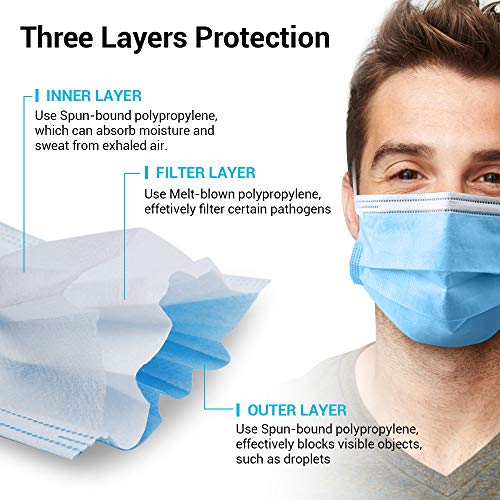
Surgical masks are loose. They cover your nose and mouth. Most have three layers:
Outer layer: blocks water drops
Middle layer: filters tiny particles
Inner layer: soft on your skin
These masks stop large drops from coughs and sneezes.

N95 Respirators
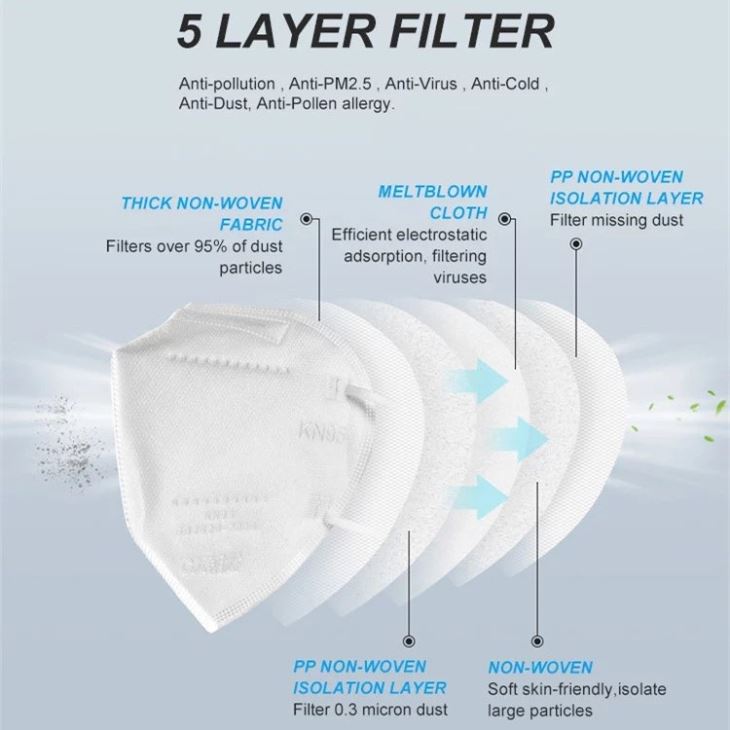
N95 masks fit tight to your face. They filter 95% of tiny particles. The number 95 means they block 95 out of 100 particles.
N95 masks work better than surgical masks. But they must fit right to work.
KN95 and FFP2 Masks
KN95 (from China) and FFP2 (from Europe) are like N95 masks. They filter about the same amount.
Cloth Masks
Cloth masks can be washed and used again. Most filter 47-55% of particles. That's only about half. They don't work as well as N95 or surgical masks.
Visual Inspection: Look Carefully
Start by looking at the mask. Use good light. Check for problems.
Critical Defects (Very Bad)
These problems mean throw the mask away:
Holes or tears in the fabric
Missing layers (should have 3)
Broken nose wire
Ear loops fell off
Edges not sealed
Dirt or stains you can see
If you find these, do not use the mask.
Major Defects (Bad Problems)
These hurt how well the mask works:
Weak connections where parts join
Wrong shape (bent or crushed)
Uneven folds in the pleats
Layers not lined up right
Doesn't cover nose to chin
Minor Defects (Small Issues)
These are mostly about looks:
Color slightly off
Small wrinkles
Packaging marks
Print not perfect
Minor defects usually don't stop the mask from working.
Checking the Material
Layer Count
Count the layers. Most good masks have 3 layers. Look at the edge. You should see three separate sheets.
Single layer masks don't work well. They let too much through.
Material Weight
GSM means grams per square meter. It tells you how thick the material is.
|
Layer |
GSM Weight |
What It Does |
|
Outer |
20-25 GSM |
Blocks water |
|
Middle |
25-30 GSM |
Filters particles |
|
Inner |
20-25 GSM |
Feels soft |
Thicker usually means better filtering. But too thick makes breathing hard.
Shine a Light Test
Hold the mask up to a bright light. Can you see through it easily?
Good mask: hard to see through
Bad mask: very see-through like a window
If lots of light comes through, the material is too thin.
Feel the Texture
Touch the mask. The inside should feel soft and smooth. The outside can be a bit rougher.
Rough edges can scratch your skin. Sharp wires poking out are dangerous.

Testing the Fit and Seal
Fit is critical. Even great filter material fails if air leaks around the sides.
Ear Loop Problems
Only 1 out of 232 people passed fit tests with ear loop N95 masks. That's less than 0.5%!
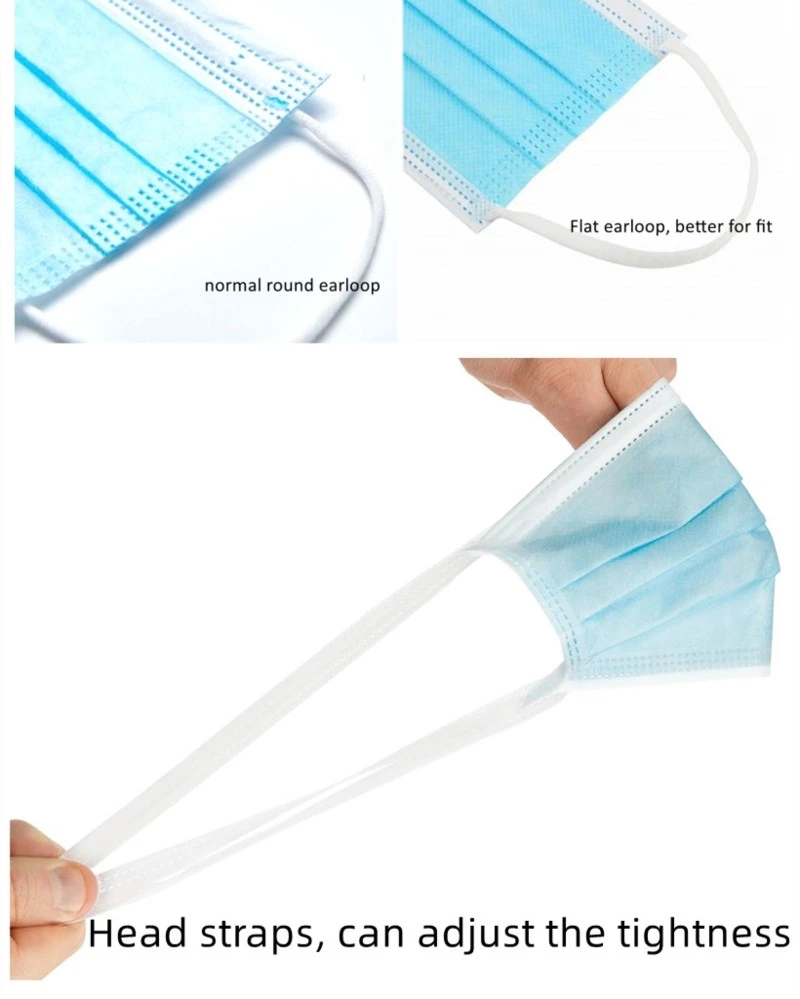
Ear loops don't work well for tight-fitting masks. They pull wrong. Air leaks in at your cheeks.
Head straps work better. They pull from behind your head. This creates a better seal.
Simple Seal Check
Try this easy test:
Put the mask on
Breathe out hard
Feel for air leaking at the edges
Check your nose, cheeks, and chin
If you feel air escaping, the mask doesn't seal right.
Mirror Fog Test
Wear the mask
Stand near a mirror
Breathe out toward the mirror
Watch for fog at the mask edges
Fog at the sides means air is leaking out. Germs can leak in the same way.
Coverage Check
A good mask must cover:
Over your nose (including the bridge)
Under your chin
Cheek to cheek on the sides
Gaps anywhere let unfiltered air in.

Nose Wire Inspection
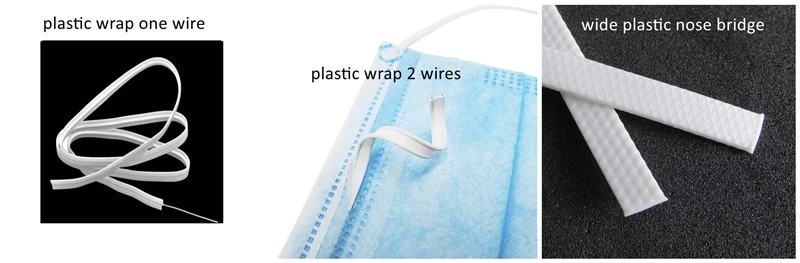
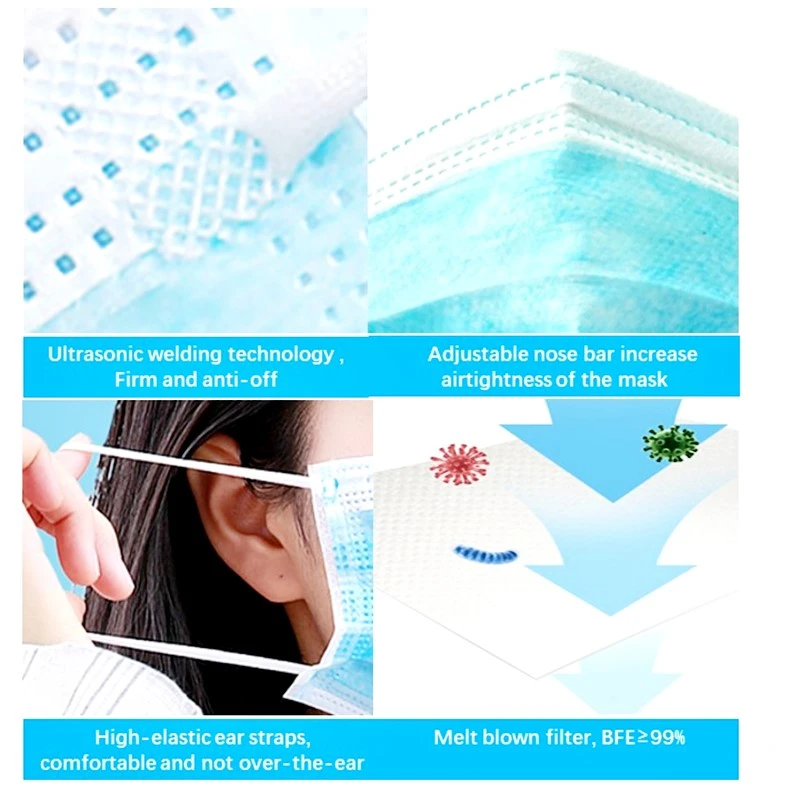
The nose wire is the bendable strip at the top. It helps the mask seal at your nose bridge.
What to Check
Length: Should be 8-10 cm long (about 3-4 inches)
Bendability: Press it. Does it bend and stay bent? Or does it spring back?
Smooth edges: Feel for sharp points poking through. These can hurt you.
Position: It should be centered at the top of the mask.
Nose Wire Test
Bend the wire into a U shape
Let it go
Does it hold the shape?
Good wire stays bent. Bad wire springs back straight.
Without a good nose wire, air leaks over your nose. Your glasses fog up. Germs get through.
Ear Loop Strength Test
Ear loops break often. This is a big problem. A study found most masks need 500g pull strength minimum.
Pull Test
Hold the mask body
Pull one ear loop gently
Increase force slowly
Does it hold strong?
Weak attachment points break during use. Then your mask falls off.
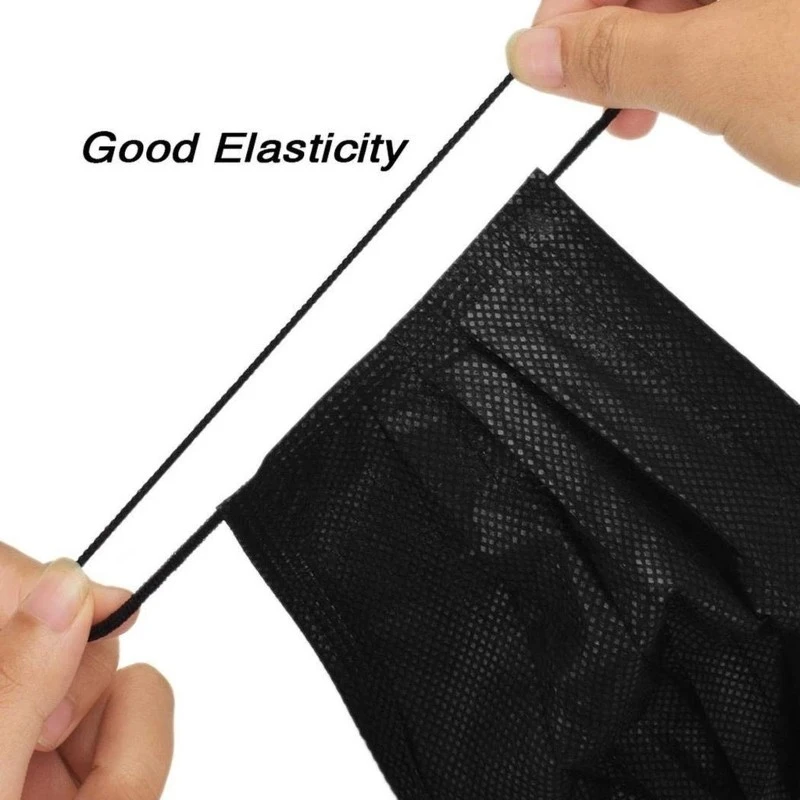
Elastic Quality
Stretch an ear loop. Let it go. Does it snap back to normal size?
Good elastic recovers. Old or bad elastic stays stretched out. Then the mask hangs loose.
Breathing Resistance
You need to breathe through your mask all day. If it's too hard to breathe, you won't wear it.
Breathing Difficulty Data
Different masks have different resistance:
|
Mask Type |
Pressure Drop |
Breathing Effort |
|
Surgical |
12.9 Pa/cm² |
Easiest to breathe |
|
FFP2 |
26.8 Pa/cm² |
Medium effort |
|
KN95 |
32.3 Pa/cm² |
Hardest to breathe |
Lower numbers mean easier breathing. Higher numbers mean more work.
Simple Breathing Test
Put the mask on
Breathe normally for 2 minutes
Then breathe deeply 10 times
Walk around while wearing it
Ask yourself:
Is it hard to breathe?
Do you feel dizzy or tired?
Can you talk clearly?
If breathing feels very hard, try a different mask.
Filtration Testing
Filtration is how well the mask blocks particles. This is the most important quality.
Expected Performance
|
Mask Type |
Filtration Rate |
What It Means |
|
N95 |
95% minimum |
Blocks 95 out of 100 particles |
|
Surgical |
60-77% |
Blocks about 2 out of 3 particles |
|
Cloth |
47-55% |
Blocks less than half |
Higher percentages mean better protection.
Home Test Limitations
You cannot truly test filtration at home. Real testing needs:
Lab equipment
Tiny test particles (0.3 microns)
Special machines to count particles
But you can do simple checks:
Water spray test: Spray water mist at the outside. Does water soak through fast? Good masks resist water.
Light test: Again, hold it to light. More light through = less filtration.
Breath test: Breathe out hard. Can you feel your breath going through easily? Some resistance is good.
Fluid Resistance Check
Surgical masks must block liquid splashes. This protects you from blood, spit, and other fluids.
Water Drop Test
Place one water drop on the outside
Watch what happens
Good mask: Water beads up and rolls off
Bad mask: Water soaks in right away
The outer layer should be hydrophobic (water-hating). This makes drops bounce off.
Package and Label Inspection
Check the packaging before opening.
Package Problems
Look for:
Tears or holes in the bag
Moisture inside the package
Broken seals
Crushed masks
Damaged packages mean the mask inside might be dirty or broken.
Label Information
The label should tell you:
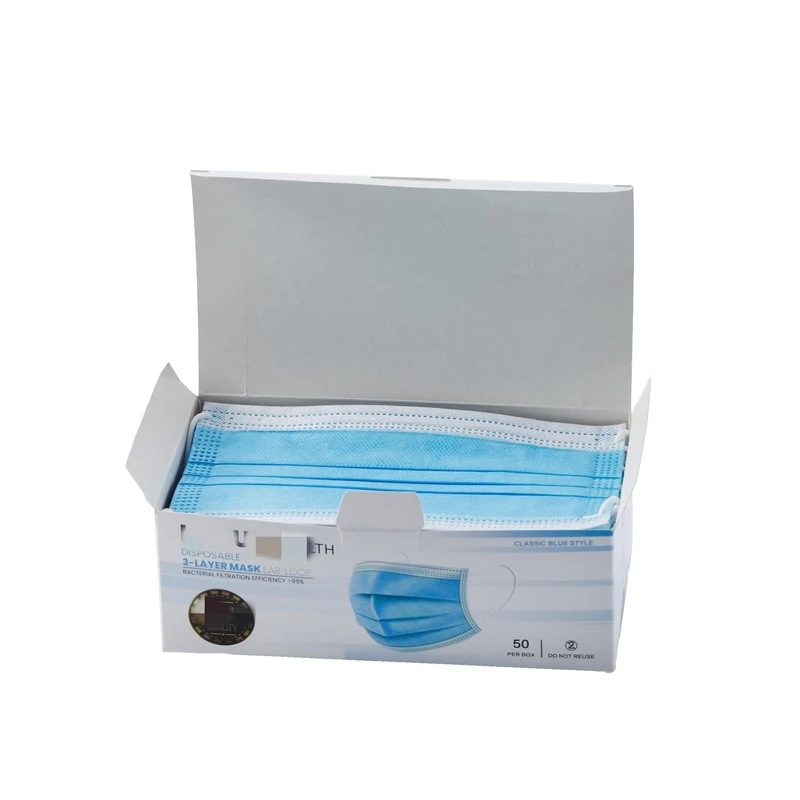
Mask type (surgical, N95, etc.)
Filter rating (95%, etc.)
Expiration date
Size information
How to use it
Missing information is a warning sign. The mask might be fake or low quality.
Common Quality Problems
Manufacturing Defects
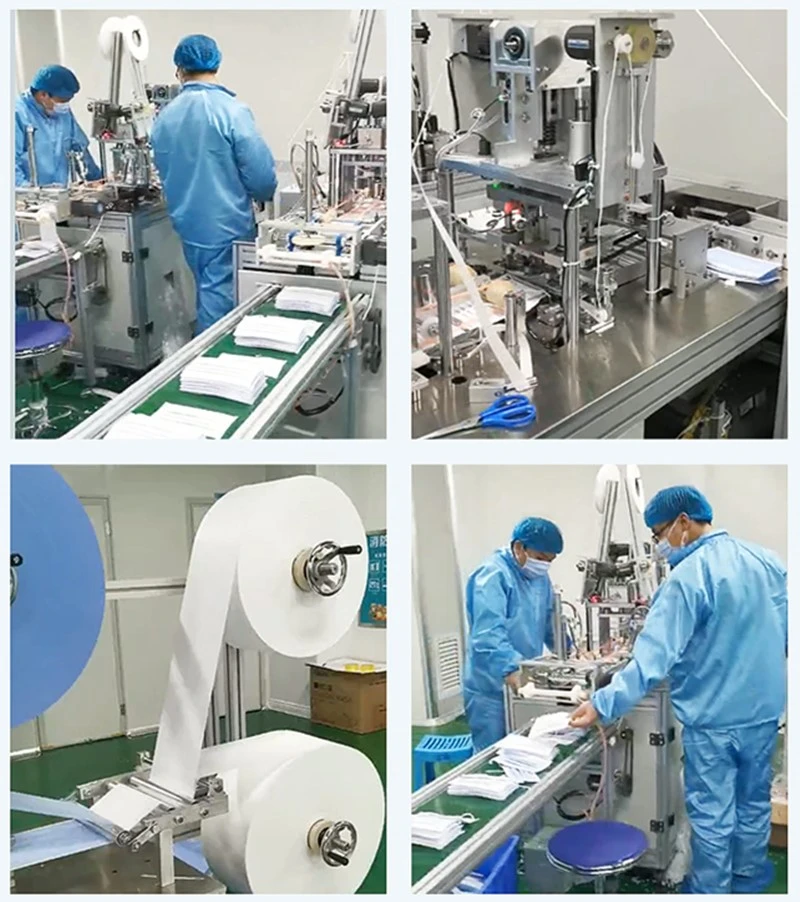
During the pandemic, quality dropped. New factories made masks fast but poorly.
Common problems:
Uneven fiber spacing in the filter
Layers not glued together right
Thin spots in the material
Chemical smells from bad glue
Storage Damage
Masks don't last forever. Most have a 2-5 year shelf life.
Storage problems:
Heat and moisture break down materials
Sunlight damages the fibers
Elastic bands lose stretchiness over time
Check the expiration date. Old masks don't work as well.
Counterfeit Masks
Fake masks were a huge problem. They looked real but didn't work.
Warning signs:
Very cheap price
No brand or label info
Poor printing on the package
Spelled words wrong
Suspiciously good claims
Quick Inspection Checklist
Use this list every time you check a mask:
✓ Look for holes and tears ✓ Count layers (should be 3) ✓ Check nose wire bends and holds ✓ Pull ear loops gently to test strength ✓ Test elastic stretch and recovery ✓ Try the mask on and check fit ✓ Feel for air leaks when breathing ✓ Check coverage (nose to chin) ✓ Look at the package for damage ✓ Read the label for information ✓ Smell for chemicals (shouldn't be strong) ✓ Do the water drop test on outside
When to Reject a Mask
Throw away masks that have:
Any holes or tears
Broken or missing nose wire
Detached ear loops
Missing layers
Strong chemical smell
Very thin see-through material
Crushed or deformed shape that won't recover
Don't use bad masks. They give you false confidence while not protecting you.
Quality Acceptance Rates
Studies show big differences in mask quality:
|
Quality Measure |
Pass Rate |
What It Means |
|
Overall batch quality |
Only 31% passed |
Most mask batches had problems |
|
Ear loop fit tests |
Less than 1% passed |
Ear loops don't seal well |
|
Disposable respirator fit |
68% passed |
About 2 out of 3 worked okay |
|
Reusable respirator fit |
86% passed |
Better than disposables |
These numbers show quality varies a lot. That's why inspection matters.
Improving Your Protection
Even with good masks, you can do better:
Add a brace: Putting something over the mask edges improves the seal. Studies show this helps a lot.
Use mask fitters: These are frames that press the mask to your face. They reduce leakage.
Try different sizes: Not all masks fit all faces. Test several until you find one that seals well.
Use head straps instead of ear loops when possible. Head straps create much better fit.
Final Tips
Buy from trusted sources. Cheaper isn't always better if the mask doesn't work.
Test new masks before you need them. Don't wait for an emergency.
Keep masks dry and away from heat and sun.
Check old masks before using them. Elastic and materials break down.
Your safety depends on mask quality. Take time to inspect. Good masks save lives. Bad masks give false hope.
Quick Summary: Check your masks for holes, test the fit, pull the ear loops, bend the nose wire, and make sure they cover nose to chin. If anything seems wrong, don't use that mask. Good quality protection requires good quality masks.


