




People who work in food plants need special gear to stay safe.
This gear is called PPE.
PPE stands for personal protective equipment.
It stops workers from getting hurt. It also keeps food clean and safe to eat.
This guide will help you pick the right PPE for your food plant. It will also help you buy it the smart way.
Food Plants Can Be Dangerous Places
Think about what happens inside a food plant every day.
Workers use sharp knives and blades. Floors get wet and slippery. Some areas are very hot. Other areas are freezing cold. Big machines make very loud noise. Strong cleaning chemicals are used every single day.
All of these things can hurt people.
And here is something important to know.
One in four manufacturing injuries happen in food plants.
That is a lot of hurt people.
When a worker gets hurt badly enough to miss work, it costs money. A lot of money. We are talking about $38,000 to $55,000 per injury.
And if food gets contaminated because of bad PPE? That can cost a food company more than $10 million.
So buying good PPE is not just about being kind to workers. It is also just really smart for business.
First Thing First - Find Out What is Dangerous
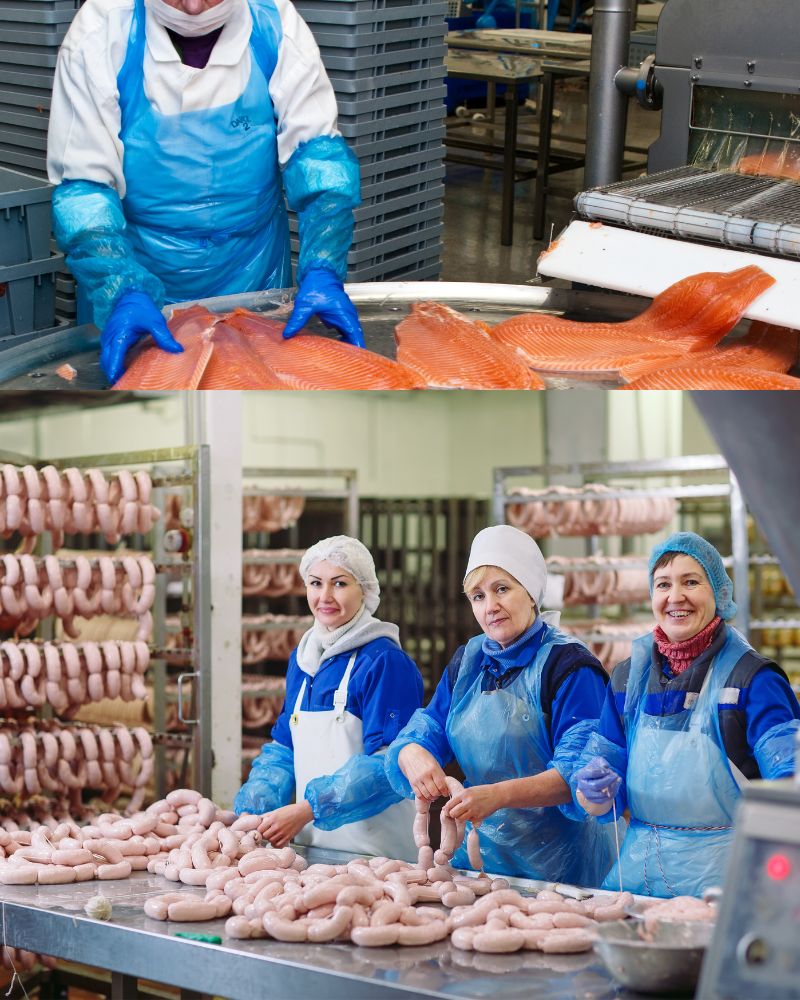
Before you buy anything at all, you need to walk around your food plant.
Look at every single area. Ask yourself: what could hurt someone here?
Talk to the people who work there too. They know better than anyone what feels dangerous.
Here is a simple table to help you think about it.
|
Where in the Plant |
What Could Go Wrong |
What PPE Helps |
|
Cutting area |
Workers cut their hands |
Cut-resistant gloves and sleeves |
|
Wet floor area |
Workers slip and fall |
Slip-resistant boots |
|
Chemical area |
Chemicals burn skin |
Chemical-resistant gloves and aprons |
|
Cold storage room |
Workers get too cold |
Insulated gloves and warm coveralls |
|
Hot cooking zone |
Workers get burned |
Heat-resistant gloves and aprons |
|
Loud machine area |
Workers lose their hearing |
Earmuffs or earplugs |
|
Bakery or flour area |
Workers breathe in dust |
Masks or respirators |
Here is something really interesting.
Food plants that check for hazards every year find 3 to 5 new dangerous spots they missed before.
So do not just check once. Check every single year.
The 7 Types of PPE Every Food Plant Needs
Now let us talk about the actual gear.
There are 7 big groups of PPE that food plant workers need.
1. Gloves for Their Hands
Hands get hurt the most in food plants.
More than 30 out of every 100 injuries in food plants are cuts.
That is why gloves matter so much.
But not all gloves are the same. Different gloves do different jobs.
|
Kind of Glove |
When to Use It |
|
Cut-resistant gloves |
When workers use knives or blades |
|
Nitrile gloves |
When touching food or chemicals |
|
Vinyl gloves |
Light food handling work |
|
Chemical-resistant gloves |
When using strong cleaning liquids |
|
Disposable gloves |
In areas where food must stay very clean |
|
Heat-resistant gloves |
Near hot equipment or ovens |
One more thing about gloves.
Some workers are allergic to latex. Always buy latex-free gloves.
And here is a number that might surprise you.
Some food plant workers go through 500 to 1,500 pairs of gloves every single year.
Yes, really. So make sure you buy enough.
2. Boots for Their Feet
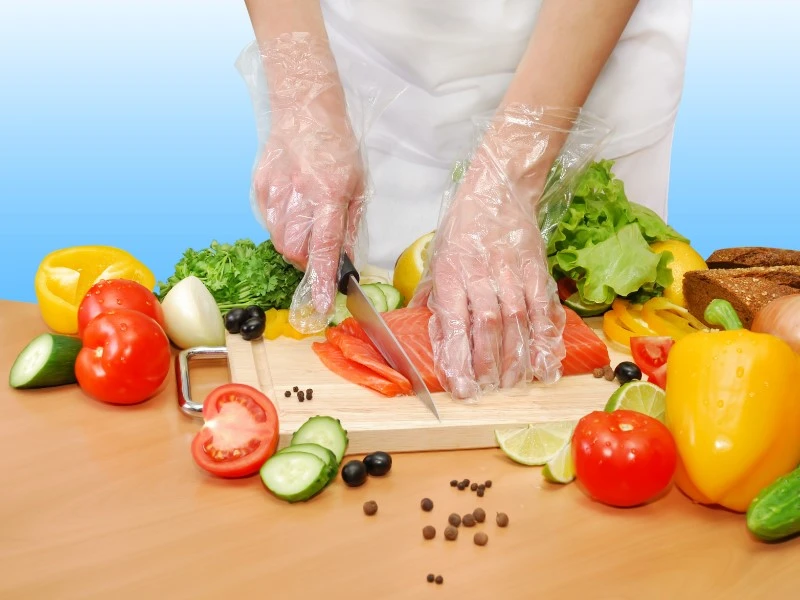
Wet floors cause 1 in 4 injuries in food plants.
The right boots stop most of those falls from happening.
Good food plant boots need to:
Have grippy soles that do not slip on wet floors
Be waterproof for areas that get hosed down
Have tough toe caps to protect feet from heavy things falling
Be easy to clean and sanitize
Workers in cold storage rooms also need warm insulated boots.
A food plant tried giving cold storage workers better insulated PPE. Workers called in sick 18% less often after that.
Good PPE keeps workers healthy enough to show up.
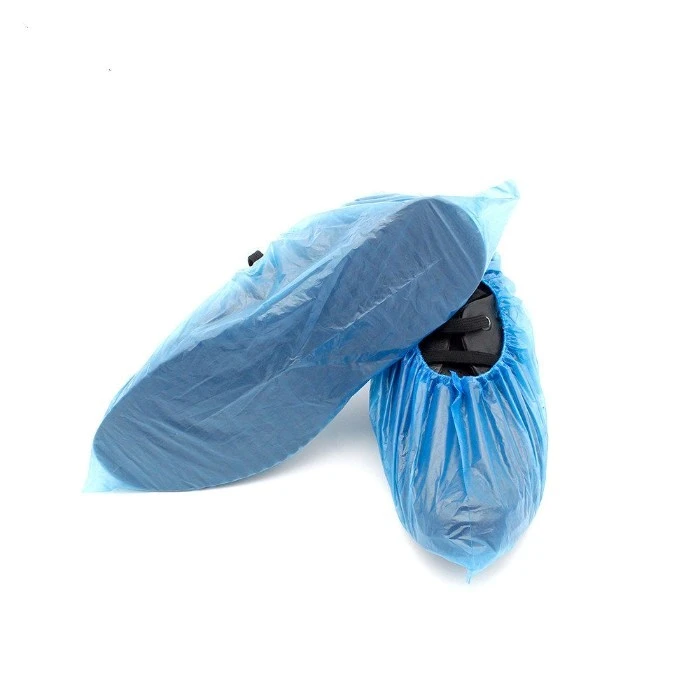
3. Aprons and Coveralls for Their Body
Workers need to protect more than just their hands and feet.
Here are the main options.
|
What It Is |
Good For |
|
Waterproof apron |
Wet cutting areas and meat processing |
|
Chemical-resistant apron |
Areas where cleaning chemicals are used |
|
Cut-resistant apron |
Heavy knife and blade work |
|
Disposable coveralls |
Very clean packaging areas |
|
Reusable coveralls |
Everyday production work |
|
High-visibility vest |
Areas where forklifts or vehicles move around |
|
Sleeve protectors |
Arm protection when a full coverall is too much |
Here is a good money story.
One meat plant stopped buying single-use aprons and switched to tough reusable ones instead.
They saved 22% on their apron costs. And workers were just as safe as before.

4. Hard Hats and Hair Nets for Their Head
There are two reasons to protect a worker's head in a food plant.
Reason one - to stop them getting hurt. Reason two - to stop hair falling into food.
For safety, workers need:
Hard hats in areas where things could fall on them
Bump caps in low-ceiling areas
For food hygiene, workers need:
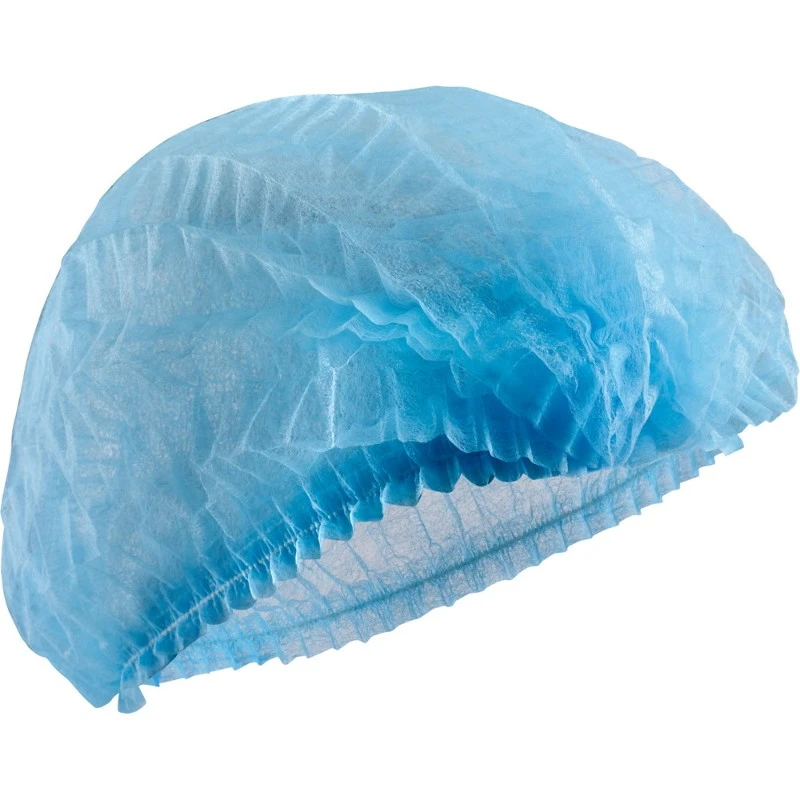
Hairnets in any area near food
Beard nets for workers with beards or mustaches
Both of these things matter a lot.
5. Goggles and Face Shields for Their Eyes
Some areas of a food plant splash a lot.
Think about high-pressure hoses. Think about chemicals being poured or sprayed.
Workers in those areas need something to protect their eyes and face.
|
What It Is |
When to Use It |
|
Safety goggles |
Chemical splash zones and high-pressure areas |
|
Face shield |
Washdown areas and heavy chemical work |
When buying these, look for ones that:
Do not fog up in cold or hot areas
Do not scratch easily so workers can see clearly for a long time
Fit comfortably so workers actually wear them all day
6. Earplugs and Earmuffs for Their Ears
Food plants are really loud.
Bottling lines. Conveyor belts. Packaging machines.
Many of these machines are louder than 85 decibels.
That is loud enough to slowly damage hearing forever.
Hearing loss is one of the most common health problems for food plant workers.
The fix is simple though.
|
What It Is |
When to Use It |
|
Earplugs |
Very loud areas where workers stay for long periods |
|
Earmuffs |
Areas where workers need to put protection on and off quickly |
|
Communication earmuffs |
Workers who need to talk to each other while protected |
7. Masks and Respirators for Their Lungs
Some food plants have things floating in the air that hurt lungs.
Like what?
Flour dust in bakeries
Cleaning sprays in washdown areas
Gas from refrigerants in cold storage
Here is a scary number.
1 in 10 long-term food plant workers develops a breathing problem from these exposures.
The right mask or respirator stops that from happening.
|
What It Is |
When to Use It |
|
Dust mask |
Light dust like flour or dry ingredients |
|
Half-face respirator |
Stronger chemical sprays and aerosols |
|
Full-face respirator |
Very high-chemical areas |
One very important thing. Tight-fitting respirators need to be tested on each worker's face. A respirator that does not fit right does almost nothing at all.
How to Pick Good PPE - Do Not Just Buy the Cheapest One
This is where a lot of food plants go wrong.
They see a cheap price and they buy it.
Then the PPE falls apart fast. Or workers hate wearing it and take it off. Or it is not safe near the cleaning chemicals used in the plant.
Here is what to actually check before buying.
Is it safe near food and chemicals? Some materials react badly with sanitizers. Some dyes can get into food. Always check.
How long will it last? Cheap PPE that breaks in 2 months costs more than slightly pricier PPE that lasts 12 months. Think about the full cost over time, not just the price tag.
Does it fit well? This one is huge.
6 out of 10 PPE-related accidents happen because workers were wearing PPE the wrong way. Not because they had no PPE. Because it did not fit right and they kept adjusting it or taking it off.
Buy PPE in lots of different sizes. Let workers try it on before you commit to a big order.
Can your supplier actually keep up with your orders? During hard times in the supply chain, many food plants ran out of PPE. Plants that used more than one supplier had 45% fewer supply problems than plants that used just one.
Buying PPE the Smart Way
Know How Much You Need First
Before calling any supplier, sit down and work out your numbers.
How many workers need each type of PPE?
How often does each item wear out or get used up?
Do you hire a lot of new people throughout the year?
Plants with high staff turnover spend up to 50% more on PPE per worker. New workers lose gear. Sizing is wrong. Handovers are messy. Plan for that.
Write Down Exactly What You Need
Make a simple document that says what each PPE item must do. Give it to every supplier you talk to. That way you can compare them fairly.
Do Not Rely on Just One Supplier
What happens if your only supplier runs out of stock? Your workers have no PPE. That is a big problem.
Use at least two suppliers for your most important PPE items.
Different Food Plants Need Different PPE
Not every food plant is the same. Here is a quick guide.
|
Type of Plant |
Biggest Danger |
Most Important PPE |
|
Meat and poultry plant |
Getting cut, cold rooms |
Cut-resistant gloves, sleeves, warm gear |
|
Seafood plant |
Wet floors, knife work |
Grippy boots, dexterous cut gloves |
|
Dairy plant |
Strong sanitizers, temperature changes |
Chemical-resistant aprons, warm boots |
|
Bakery |
Flour dust, hot ovens |
Respirators, heat-resistant gloves |
|
Drinks factory |
Loud machines, high-pressure hoses |
Earmuffs, face shields, waterproof boots |
Here is a really good example from a poultry plant.
Workers started wearing cut-resistant sleeves on top of their gloves. Before that change, they only wore gloves.
Upper arm and wrist cuts dropped by 52%.
Just by adding one extra piece of PPE.
After You Buy - Taking Care of Your PPE
Buying is only the first part. You also have to look after what you buy.
Know When to Throw It Away
|
PPE Item |
When to Replace It |
|
Disposable gloves |
After every single task |
|
Reusable gloves |
When they show any holes or wear |
|
Safety boots |
Every 12 months or when the grip wears down |
|
Hard hats |
Every 3 to 5 years or after any big knock |
|
Earmuffs |
When the soft cushions crack or harden |
|
Respirators |
Follow the maker's instructions carefully |
Store It Properly
Keep PPE in a clean dry place
Keep it away from chemicals and sunlight
Store different sizes separately and label them clearly
Teach Workers How to Use It
Here is something that matters a lot.
Workers who helped choose their PPE are 3 times more likely to wear it properly.
Let workers try different options. Ask them what feels comfortable. Listen to what they say.
Then teach everyone:
How to put each item on the right way
How to spot when it is damaged or worn out
When to ask for a new one
Without training, 2 to 3 out of every 10 workers wear their PPE wrong. With good training, that drops to less than 1 in 10.
That is a big difference.
Keep Track of What You Have
Plants that tracked their PPE on a computer had:
30% fewer times they ran out of stock
20% less money wasted on over-ordering
Even a simple spreadsheet helps. Just keep track of what you have, what you use, and what you need to order.
How to Save Money on PPE Without Making It Dangerous
Nobody wants to waste money. Here are some smart ways to spend less.
Buy the same PPE for similar jobs - fewer types means simpler ordering and lower prices
Plants that did this cut costs by 15% and had 35% less paperwork
Buy in bulk for items you use a lot, like disposable gloves
Use reusable PPE where food hygiene rules allow it
Join with other plants to buy together and get better prices
Things That Go Wrong When Buying PPE
Here are the most common mistakes food plants make.
❌ Picking the cheapest option without testing it first
❌ Not asking workers what feels comfortable
❌ Buying one type of PPE for everyone regardless of their job
❌ Forgetting that gloves and tools need to work well together
❌ Depending on just one supplier
❌ Never checking if hazards in the plant have changed
❌ Storing PPE near chemicals or dirty equipment
Quick Summary Table
|
What to Do |
Why It Matters |
|
Walk the plant and find all hazards first |
Buy PPE for real risks not guessed ones |
|
Cover all 7 PPE types |
No worker is left unprotected |
|
Test samples before big orders |
Quality is not always what it looks like |
|
Let workers help choose |
They wear it more willingly and correctly |
|
Use more than one supplier |
Avoid running out when it matters most |
|
Track what you use |
Save money and avoid stockouts |
|
Check your PPE program every year |
Plants change and so do hazards |
Keeping workers safe in a food plant is not complicated.
Find out what is dangerous. Buy the right gear for those dangers. Make sure it fits. Teach workers how to use it. Keep track of it. Check everything again next year.
That is really all there is to it.


