

What Are These Bed Sheets?
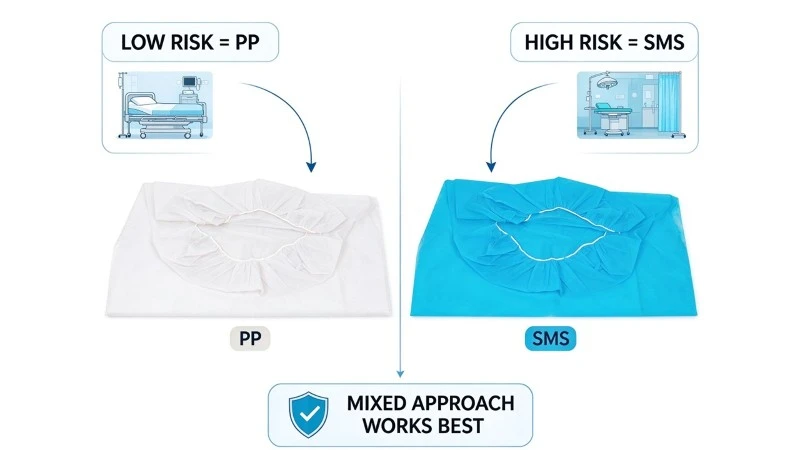
Medical institutions need clean bed sheets every day. Disposable bed sheets help stop germs from spreading. Two main types exist: PP bed sheets and SMS bed sheets.
PP bed sheets use one layer of material. The material is polypropylene. This is a simple nonwoven fabric.
SMS bed sheets use three layers. The layers are spunbond-meltblown-spunbond. This makes them stronger and safer.

How PP Bed Sheets Work
What Makes PP Bed Sheets
PP bed sheets use single layer fabric. The fabric weighs 15 to 40 grams per square meter. This makes them very light.
Spunbond process creates the fabric. Machines spin hot polypropylene fibers into sheets. The sheets cool and bond together.
Good Things About PP Bed Sheets
- Low cost - They cost 30 cents to 80 cents each
- Light weight - Easy to carry and store
- Quick to make - Factories make them fast
- Basic protection - They stop some water
Problems With PP Bed Sheets
- Tears easily - About 12 to 18 out of 100 tear during use
- Limited liquid barrier - They only block 5 to 20 cm of water pressure
- Less soft - Patients rate comfort as 6 to 7 out of 10
- Lower strength - They break with 15 to 30 N of force

How SMS Bed Sheets Work
What Makes SMS Bed Sheets
SMS bed sheets have three layers. Two outside layers are strong spunbond fabric. The middle layer is meltblown fabric with tiny fibers.
The sheets weigh 25 to 60 grams per square meter. This makes them heavier than PP sheets.

Good Things About SMS Bed Sheets
- Strong barrier - They block 30 to 80 cm of water pressure
- Filter germs - They stop 90 to 98 out of 100 particles
- Very strong - They need 35 to 60 N of force to break
- More comfort - Patients rate them 7.5 to 9 out of 10
- Hard to tear - Only 3 to 6 out of 100 tear during use
Cost of SMS Bed Sheets
SMS bed sheets cost more. They are 80 cents to 2 dollars each. This is 30 to 150 percent more than PP sheets.
The three layer structure takes more time to make. But they last longer and work better.
Side by Side Comparison
| What We Test | PP Bed Sheets | SMS Bed Sheets |
|---|---|---|
| Layers | 1 layer | 3 layers |
| Weight | 15-40 grams | 25-60 grams |
| Water block | 5-20 cm | 30-80 cm |
| Strength | 15-30 N | 35-60 N |
| Tear strength | 8-15 N | 20-40 N |
| Air flow | 120-200 mm/s | 60-120 mm/s |
| Stops particles | 60-75% | 90-98% |
| Soft feel | 6-7/10 | 7.5-9/10 |
| Price each | ¥0.3-0.8 | ¥0.8-2.0 |
| Tears in use | 12-18% | 3-6% |

Which Rooms Need Which Sheets
-
Operating Rooms
Operating rooms need the best protection. Blood and fluids are everywhere.
Use SMS bed sheets in all operating rooms. They stop liquids from soaking through. Surgeons report 91 out of 100 are happy with SMS sheets.
One hospital cut liquid spills from 8 to 12 times per year down to 0 to 1 time after switching to SMS.
-
Regular Patient Rooms
Patient rooms see less risk. Most patients rest and heal quietly.
PP bed sheets work well here. They save money and do the job. Some hospitals use 80 percent PP and 20 percent SMS for sick patients.
-
Emergency Rooms
Emergency rooms move fast. Staff change sheets quickly between patients.
Both types work. Use PP sheets to save money. Use SMS sheets when patients bleed or have infections.
-
Exam Rooms
Exam rooms in clinics see healthy people for checkups. Risk is very low.
PP bed sheets are perfect. They cost less and meet all needs. Small clinics use 15 to 20 sheets per day. This costs only 1.8 to 2.4 thousand yuan per year.
-
Isolation Rooms
Isolation rooms hold sick patients with infections. Cross contamination is a big risk.
Always use SMS bed sheets. They create a microorganism barrier. Studies show SMS sheets cut infection rates by 15 to 25 percent in high risk areas.
-
Long Term Care
Nursing homes and rehabilitation centers care for patients for weeks or months. Patient comfort matters most.
Mix both types. Use SMS sheets for bed sores and wounds. Use PP sheets for healthy skin areas. This balances cost and comfort.
Money Matters
Price Per Sheet
PP bed sheets cost 30 to 80 cents when you buy many at once.
SMS bed sheets cost 80 cents to 2 dollars for bulk orders.
A 200 bed hospital spends these amounts per year:
- PP sheets only: 150,000 to 300,000 yuan
- SMS sheets only: 400,000 to 800,000 yuan
How Long They Last
Both are single use disposable items. You throw them away after one patient.
But SMS sheets last through more handling. Nurses can move patients without tearing the sheet. PP sheets may need replacement during long procedures.
Time to Change
Both types take 30 to 45 seconds to change. The changing process is the same.
SMS sheets tear less, so staff waste less time replacing damaged sheets during patient care.
Infection Costs
Hospital acquired infections cost huge amounts to treat. One infection can cost tens of thousands of yuan.
SMS sheets in surgery rooms and ICU units help prevent infections. The extra cost pays back in 18 months through fewer complications.
Storage Needs
Both need dry storage at room temperature. Shelf life is 2 to 3 years for both.
PP sheets weigh less, so you can store more in the same space. This helps with inventory management.

How to Choose
Small Clinics
Community clinics and dental offices see low risk cases. Budget is tight.
Best choice: PP bed sheets for everything
Why: They cost less and meet basic hygiene needs. Risk of infection is low.
Medium Hospitals
General hospitals with 50 to 200 beds have mixed needs. Some rooms are high risk, others are not.
Best choice: Use both types
Plan:
- Surgery rooms: 100% SMS
- ICU: 100% SMS
- Regular rooms: 80% PP, 20% SMS
- Clinics: 100% PP
This saves about 180,000 yuan per year versus using only SMS sheets.
Large Hospitals
Teaching hospitals and specialty hospitals with over 200 beds need high standards everywhere.
Best choice: SMS bed sheets in most areas
Plan:
- High risk areas: 100% SMS
- Medium risk areas: 100% SMS
- Low risk areas: Mix of 60% SMS, 40% PP
Patient safety comes first in large institutions.
Testing Quality
What to Check
When sheets arrive, test these things:
- Weight - Use a scale
- Strength - Pull until it breaks
- Water test - Pour water and see if it soaks through
- Feel - Touch it and see if it is soft
- Smell - Make sure no bad odors exist
Try Before You Buy
Order small amounts first. Give them to 3 to 5 departments. Ask nurses and doctors what they think.
Use them for 2 to 4 weeks. Count how many tear. Ask patients if they are comfortable.
Environmental Impact
Both PP and SMS sheets use polypropylene. This plastic takes 20 to 30 years to break down in nature.
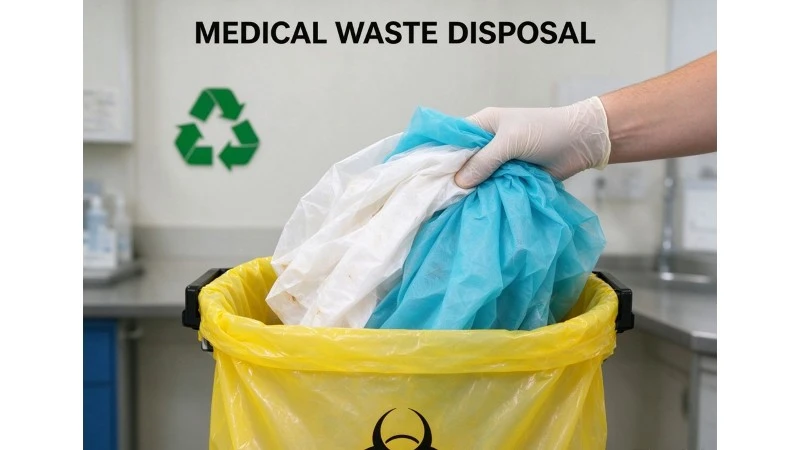
All used sheets go into medical waste. Hospitals must dispose of them properly. This follows infection control rules.
Some companies now make sheets that break down faster. Ask suppliers about biodegradable options.
Real Examples
Big City Hospital
A 500 bed teaching hospital switched to a smart plan:
- Surgery and ICU: SMS only
- Other areas: Mostly PP with some SMS
Results:
- Saved 180,000 yuan per year
- Infection rate stayed the same
- Patient comfort scores stayed high
Community Clinic
A small family clinic uses only PP sheets:
- 20 sheets per day
- Costs 2,000 yuan per year
- Zero infections in 5 years
- Patients say sheets are clean and fine
Surgery Center
A specialty surgery hospital uses only SMS sheets in all operating rooms:
- Liquid spills dropped from 10 per year to less than 1 per year
- Surgeon satisfaction went from 72% to 91%
- Extra cost paid for itself in 18 months
Quick Questions
Q: Can I wash and reuse these sheets? A: No. Both are single use items. Throw them away after one patient.
Q: Which is better for children? A: SMS sheets are softer. Kids like them more. But PP sheets work fine for quick exams.
Q: How do I store them? A: Keep them dry and at room temperature. They last 2 to 3 years.
Q: Do I need to test every batch? A: Test new suppliers. Once you trust them, spot check every few orders.
Final Answer
PP bed sheets work great for:
- Small clinics
- Exam rooms
- Regular patient rooms
- Places with tight budgets
SMS bed sheets work best for:
- Operating rooms
- ICU units
- Isolation rooms
- Surgery centers
- High infection risk areas
Smart hospitals use both. They save money in low risk areas. They use SMS where safety matters most.
Start by listing all your rooms. Mark which ones see blood, body fluids, or sick patients. Use SMS there. Use PP everywhere else.
This plan keeps patients safe and keeps costs down. You get the best value for your medical institution.