



Disposable surgical shoe covers are single-use covers worn over shoes.
They are used in a hospital, clinic, operating room, procedure room, and other healthcare facility spaces.
Their job is simple.
They help keep a clean area cleaner.
They help block dirt, dust, debris, and some fluids from normal footwear.
They also help lower the spread of contaminants from one place to another.
This is why many people in a surgical suite use them.
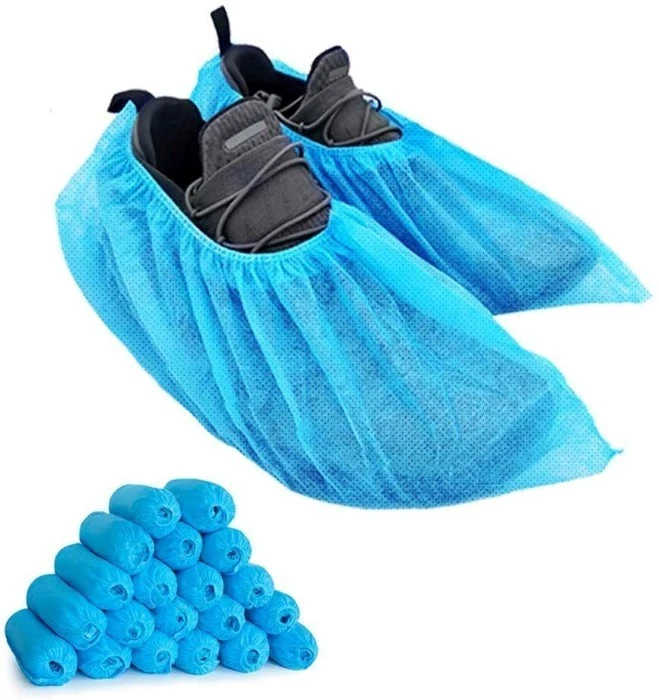
What Are Disposable Surgical Shoe Covers?
Disposable surgical shoe covers are soft covers that go over a shoe.
They are made for single-use.
After use, they are removed and thrown into a waste bin.
Most have:
Elastic band openings
A light but strong body
A full cover for the shoe sole and upper shoe
A textured sole or anti-slip surface on some styles
These covers are a type of protective barrier.
They are part of disposable apparel used in a surgical environment.

What Are They Made Of?
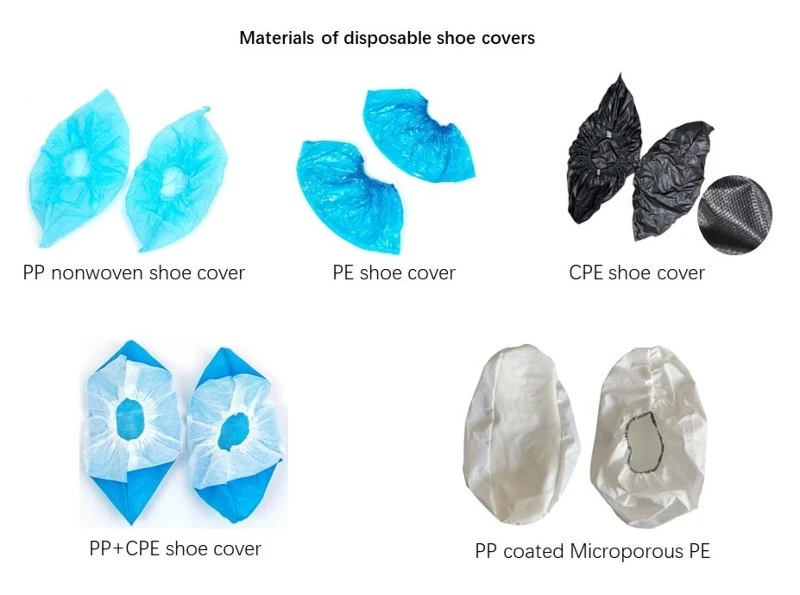
Most medical shoe covers are made from light materials.
Common materials include:
Polypropylene Non-woven fabric
Layered materials for more strength
Some are:
Breathable
Fluid-resistant
Waterproof
Tear-resistant
Anti-slip
A simple cover may work for short use.
A stronger cover may be better in a high-traffic zone or a wet treatment area.
Why Are Disposable Surgical Shoe Covers Used?
The main reason is contamination control.
Shoes pick up many things.
They can carry:
Dirt
Dust
Debris
Bacteria
Viruses
Bodily fluids
When people walk from one space to another, these things can move too.
A shoe cover adds a clean outer layer.
This helps with:
Floor contamination control
Hospital infection prevention
Cross-contamination prevention
Operating room hygiene
Footwear hygiene in hospitals
In simple words, disposable protective footwear helps stop dirty shoes from touching a clean area floor.

Where Are They Used?
These covers are common in places that need better hygiene practice.
You may see them in:
Operating room
Surgical suite
Procedure room
Treatment area
Restricted area
Semi-restricted area
Ambulatory surgery center
Clinic
Hospital
They may also be used at an entry point or near a donning area before a person enters a more sensitive space.
Who Uses Them?
Many people may use surgical shoe covers.
This includes:
Surgeon
Nurse
Surgical technologist
Anesthesiologist
Support staff
Environmental services staff
Visitor
A visitor may wear them before entering a patient care space or another controlled medical area.

How Do They Help?
The value of disposable surgical shoe covers is easy to see.
Key Benefits
Help keep floors cleaner
Help reduce tracked-in dirt and debris
Add a barrier protection for footwear
Support cleanliness in a surgical environment
Help with visible soil control in hospitals
Give some blood and fluid splash protection
Easy to put on and take off
Easy to throw away after use
Some styles offer anti-slip protection in surgical settings
This makes them a useful part of healthcare protective consumables.

What Does the Data Show?
Public research on this topic often looks at footwear, floor surface hygiene, and movement in a healthcare facility.
It does not always test just one type of disposable shoe covers.
Still, the findings help explain why these covers are used.
Helpful Data Summary
|
Evidence Area |
What It Shows |
Why It Matters |
|
Footwear contamination |
Studies often show that shoe soles can carry bacteria, dirt, and residue |
Shoes can bring unwanted matter into a clean area |
|
Floor contamination and traffic flow |
Floor surface contamination often rises in busy spaces |
A footwear cover can help lower tracked-in mess |
|
Operating room cleanliness practices |
Clean clothing, clean movement, and barrier items all support cleaner spaces |
Operating room shoe covers fit into this goal |
|
Visible soil and debris reduction |
Facility reports often note less tracked dirt when covers are used |
This is one clear reason for use |
|
Fluid splash exposure |
Wet work areas may expose shoes to splashes |
Fluid-resistant shoe covers add protection |
|
Slip risk on smooth floors |
Some product reviews stress the need for grip on smooth floors |
Anti-slip shoe covers can support safer walking |
|
Single-use barrier advantage |
Single-use items are easy to replace when dirty or torn |
This helps keep the outer layer cleaner |
|
Staff and visitor traffic |
Many feet move through medical spaces each day |
More movement can mean more tracked debris |
|
Housekeeping workload |
Barrier items may help reduce floor mess |
This can support faster cleaning |
|
Material performance |
Different materials offer different comfort and strength |
Buyers should match the cover to the place of use |
Simple Takeaway
The data points to one clear idea:
Shoes can carry dirt and microbes.
That is why disposable surgical shoe covers are used as a clean footwear barrier.

Do Disposable Surgical Shoe Covers Stop Infection?
This question needs a clear answer.
They can help, but they are not a magic fix.
A shoe cover is one part of a bigger infection prevention plan.
It helps by adding a layer over outer footwear.
It can help reduce the spread of contaminants on the floor and from foot traffic.
But it does not work alone.
Good results also depend on:
Clean rooms
Good staff habits
Safe movement
Proper use
Proper removal
Correct disposal
So, yes, hospital shoe covers can help support contamination reduction tools, but they are only one part of the full system.
What Features Should You Look For?
Not all single-use shoe covers are the same.
Look for features that match the job.
Important Features
Strong elastic for a secure fit
Full shoe coverage
Good size range
Tear-resistant material
Reinforced sole shoe covers for longer wear
Textured sole shoe covers for better grip
Fluid-resistant or waterproof shoe covers when needed
Soft, breathable shoe covers for comfort
A design that stays on while walking
If floors may be wet, choose non-skid shoe covers.
If wear time is longer, choose stronger non-woven shoe covers or layered material.

How to Use Disposable Surgical Shoe Covers Properly
Correct use matters.
Basic Steps
Go to the donning area or entry point.
Put the cover over each shoe.
Make sure the whole shoe is covered.
Check that the elastic band sits well.
Walk with care, especially on a wet floor.
Remove the covers in the right doffing area if needed.
Throw them in a waste bin after use.
Replace Them If They Are:
Torn
Wet
Very dirty
Loose
Damaged on the sole
This helps keep the protective barrier useful.
Are There Any Limits?
Yes.
A good article should be honest.
Common Limits
Some covers tear fast
Some do not have enough grip
A poor fit can slip off
Thin covers may not last long
They are not a full answer to every hygiene need
This is why shoe covers for healthcare workers should match the real use setting.
A busy hospital may need stronger covers than a short-use visitor shoe cover.
Disposable Surgical Shoe Covers vs Regular Protective Shoe Covers
There are many kinds of protective shoe covers.
But disposable surgical shoe covers are made for cleaner and more sensitive spaces.
Main Differences
|
Feature |
Disposable Surgical Shoe Covers |
Regular Protective Shoe Covers |
|
Main use |
Surgical area protection |
General shoe protection |
|
Setting |
Operating room, procedure room, clean area |
Many work or home settings |
|
Focus |
Hygiene, barrier use, cleaner floors |
Dirt, paint, or dust protection |
|
Design |
Often light, secure, and easy to discard |
May vary a lot by use |
|
Wear time |
Usually short-term, single use |
May be short or long depending on type |

How to Choose the Right Type
Pick based on the place and the need.
Choose by Use Case
For a surgical suite, choose a clean, secure-fit cover
For wet areas, choose anti-slip shoe covers
For splash risk, choose fluid-resistant shoe covers
For long walking, choose stronger material
For many users, choose easy-on, easy-off designs
For a visitor, choose simple and fast-fit covers
Think about:
Floor type
Traffic level
Comfort
Grip
Strength
Waste needs
This helps you choose the right clinical environment shoe covers.

Final Answer
Disposable surgical shoe covers are single-use covers worn over shoes in a hospital, operating room, procedure room, or other clean area.
They are used to help reduce dirt, debris, fluids, and other contaminants carried by footwear.
They support operating room hygiene, contamination control, and cleaner floors.
They are simple, but useful.
The best ones offer:
Good fit
Good grip
Good coverage
Strong material
Easy disposal
In short, disposable surgical shoe covers are used because shoes move through many spaces, and a clean barrier protection for footwear helps protect sensitive medical areas.


