




Hospitals need gowns every day.
Lots and lots of gowns.
These gowns are used once. Then thrown away.
We call them disposable isolation gowns.
They keep sick people safe. They keep workers safe too.
This guide will help you pick the right ones. And buy them the smart way.
What Is a Disposable Isolation Gown?
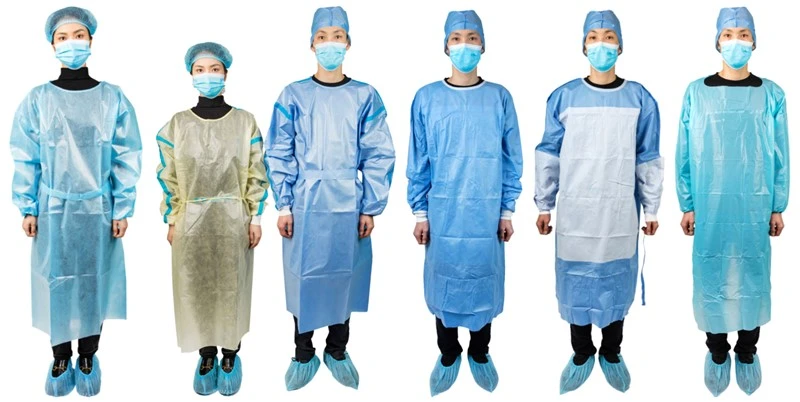
A disposable isolation gown is a big cover you wear over your clothes.
It stops germs from spreading. It stops fluids from touching your skin.
Doctors wear them. Nurses wear them. Sometimes visitors wear them too.
They are not the same as surgical gowns.
|
Type of Gown |
What It Is For |
|
Isolation gown |
Stops germs spreading during patient care |
|
Surgical gown |
Used during operations in the operating room |
|
Patient gown |
Worn by the sick person in bed |
|
Visitor gown |
Worn by visitors going into sick rooms |
Why These Gowns Matter So Much
Here is a scary fact.
Hospitals where workers used the wrong gowns had 26% more infections.
That is a lot of people getting sicker.
And here is a money fact.
The global market for disposable isolation gowns is worth 3.2 billion dollars.
That is how important these gowns are.
Getting them right matters for:
Keeping patients safe
Keeping workers safe
Saving the hospital money
The 4 Protection Levels
Not all gowns are the same.
Some gowns give a little protection. Some give a lot.
There are 4 protection levels.
|
Level |
Risk Level |
Where It Is Used |
|
Level 1 |
Very low risk |
Basic patient care, standard rooms |
|
Level 2 |
Low risk |
Blood draws, ICU, labs |
|
Level 3 |
Medium risk |
Emergency rooms, trauma care |
|
Level 4 |
High risk |
Long surgeries, lots of fluid exposure |
Picking the wrong level is a big mistake.
Using a Level 1 gown in a high-risk room is dangerous. Using a Level 4 gown everywhere wastes a lot of money.
Here is how much money that waste costs.
Using Level 4 gowns where Level 2 is enough costs hospitals $85,000 to $240,000 extra every year.
That is a huge amount of wasted money.

What Are Isolation Gowns Made Of?
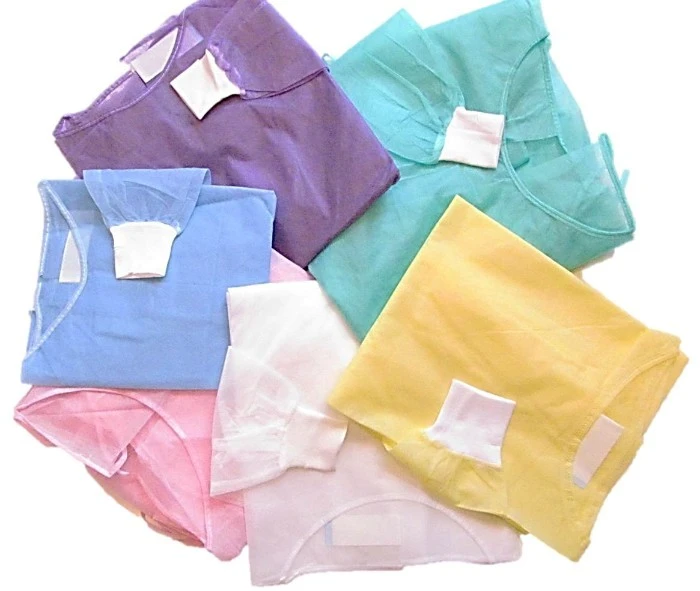
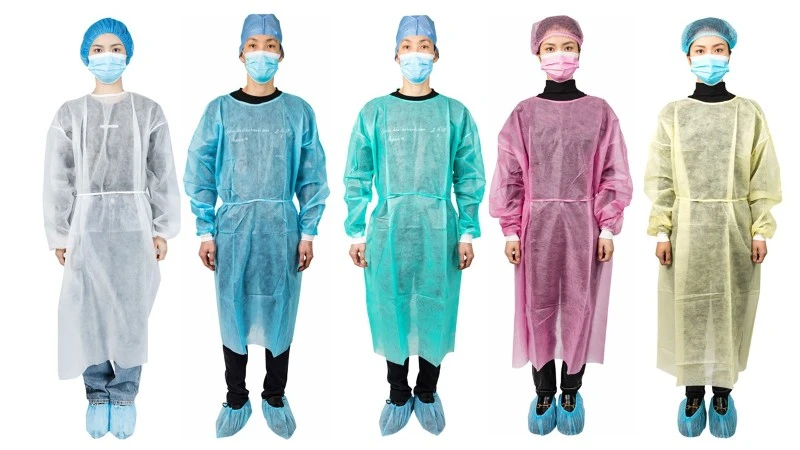
Gowns are made from different materials.
Each material works differently.
|
Material |
What It Does |
|
Polypropylene (PP) |
Basic, light, low cost - good for low risk use |
|
SMS fabric |
Better fluid blocking, more breathable - good for medium risk |
|
Polyethylene coated |
Blocks lots of fluid - good for high risk |
|
Microporous film |
Maximum fluid protection - used in very high risk settings |
Here is something really important.
SMS gowns block 40% more fluid than basic polypropylene gowns at the same protection level.
So the material really matters. Not just the level on the label.
Things to Look for When Buying
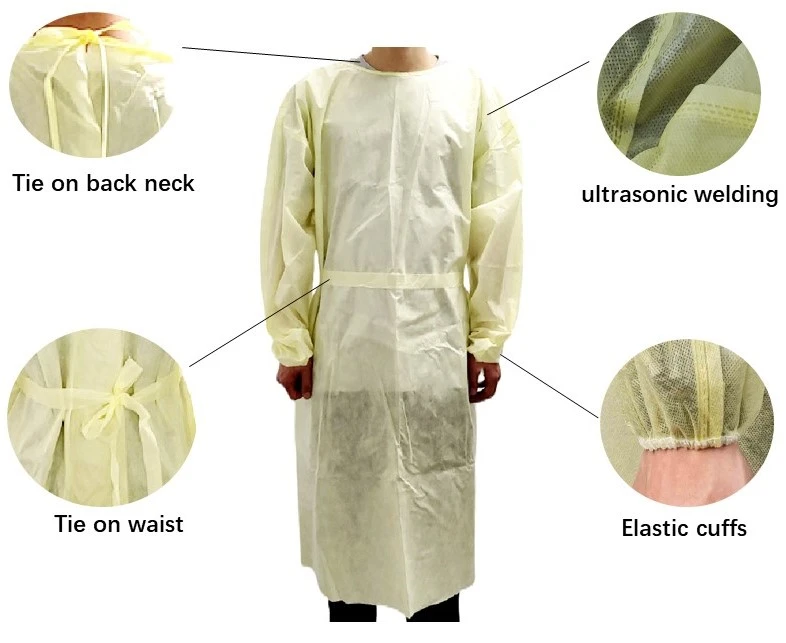
When you look at a gown, check these things.
Coverage
Does it cover the front and back?
Does it reach the knees?
Does it cover the wrists fully?
Cuffs and Wrists
|
Cuff Type |
Good For |
|
Knit cuff |
Comfy, fits snugly, stays in place |
|
Elastic cuff |
Tight fit, good fluid seal |
|
Open wrist |
Lower risk use only |
Closures
How the gown closes at the back matters a lot.
|
Closure Type |
Good For |
|
Tie-back |
Simple and cheap |
|
Snap closure |
Faster to put on and take off |
|
Overlap back |
Good coverage, no gaps |
Fast closures are really important.
Workers who wore gowns that were hard to take off had 30% more contamination events.
Size
Does it come in enough sizes?
Is there a plus size option?
Does it fit well so no gaps appear?
Gown non-compliance goes up by 35% when gowns are uncomfortable or the wrong size.
A gown that does not fit right does not protect right.
How Much Do Hospitals Use?
Before you buy, you need to know how many gowns each area uses.
Here are the numbers.
|
Department |
Gowns Used |
|
ICU |
8 to 12 gowns per patient per day |
|
Emergency department |
3 to 5 gowns per patient visit |
|
Outpatient clinic |
1 to 2 gowns per patient visit |
|
Isolation room |
High use - depends on how sick the patient is |
These numbers show how important it is to plan ahead.
The ICU alone uses a huge amount of gowns every single day.
How to Pick a Good Supplier
Do not just pick the cheapest one.
Here is a fact that shows why.
15 out of every 100 cheap isolation gown samples fail basic fluid resistance tests.
Buying bad gowns to save money puts everyone at risk.
Here is what to look at when choosing a supplier.
|
What to Check |
Why It Matters |
|
Product quality |
Bad gowns fail and put people at risk |
|
Delivery speed |
Late deliveries mean running out |
|
Size range |
Workers come in all sizes |
|
Bulk discounts |
Big orders should cost less |
|
Backup stock |
For emergencies and outbreaks |
Use More Than One Supplier
This is really important.
72% of hospitals ran out of isolation gowns during the pandemic.
The hospitals that suffered most had only one supplier.
When that supplier ran out, they had nothing left.
Always use at least two suppliers for your most important gowns.
Hospitals that switched to a dual-vendor model had 67% fewer supply disruption events.
Smart Ways to Buy
Join a Buying Group
A Group Purchasing Organization (GPO) is when many hospitals buy together.
Because they buy so much more, they get better prices.
Hospitals in buying groups save 12 to 18% on isolation gown costs.
A group of 12 hospitals buying together saved 16 to 22% on every gown order.
That is a big saving.
Use the Same Gowns Everywhere
Using the same gown type in every department is called standardization.
One big hospital that did this:
Saved 18% on gown costs in the first year
Cut the number of different gown types by 45%
Fewer types means simpler ordering. Simpler ordering means less confusion and less waste.
Keep Extra Stock
Always keep more than you think you need.
The best hospitals keep 60 to 90 days of extra gowns stored away.
During the pandemic, hospitals with that much extra stock were fine. Hospitals with only 30 days of stock ran out very fast.
Looking After Your Gown Stock
Buying gowns is only half the job. You have to look after them too.
Store Them Right
Gowns stored in the wrong conditions lose up to 35% of their fluid blocking ability before they even expire.
Store gowns:
In cool dry places
Away from chemicals
Away from damp or wet areas
Use a Computer to Track Everything
Hospitals using digital tracking systems had:
38% fewer stockouts
24% less wasted money from over-ordering
Even a simple spreadsheet helps a lot.
Use Older Stock First
Always use the oldest stock first. This is called FIFO - First In First Out.
It stops gowns from expiring before they get used.
Ask Your Workers What They Think
Many hospitals forget to do this.
When nurses helped pick the gowns they use, 43% more of them wore gowns properly.
Ask workers:
Does this gown let you move your arms?
Is it comfortable after wearing it for hours?
Is it easy and fast to take off safely?
Their answers will help you buy much better gowns.

Mistakes to Avoid
❌ Picking the cheapest gown without testing it first
❌ Using only one supplier
❌ Using Level 4 gowns everywhere when lower levels are enough
❌ Not asking workers what fits and feels right
❌ Keeping less than 60 days of emergency stock
❌ Storing gowns in damp or chemical-filled areas
❌ Never checking if your procurement program is working
Quick Summary
|
What to Do |
Why It Matters |
|
Match protection level to the department |
Wrong levels waste money or risk safety |
|
Check gown material carefully |
SMS blocks 40% more fluid than basic PP |
|
Test samples before big orders |
15% of cheap samples fail basic tests |
|
Use more than one supplier |
72% of hospitals had stockouts with one supplier |
|
Join a buying group |
Save 12 to 18% on gown costs |
|
Standardize gowns across departments |
Save 18% and cut SKUs by 45% |
|
Keep 60 to 90 days of emergency stock |
Survive supply shocks safely |
|
Use digital tracking |
Cut stockouts by 38% and waste by 24% |
|
Ask workers to help pick gowns |
Boost proper gown use by 43% |
Buying disposable isolation gowns is a really important job.
Pick the right protection level. Pick good materials. Use good suppliers. Keep enough stock. Ask your workers what works.
Do those things and your hospital will be safer and smarter.


