



A mattress needs care. A patient needs a clean bed. A hospital needs a fast way to set up each patient bed.
That is why many care teams use a disposable mattress cover.
This guide will help you choose the right one. It uses simple English. It is made for a healthcare facility, a clinic, a nursing home, or a long-term care facility.
In this guide, you will learn about:
single-use mattress cover
medical mattress cover
waterproof disposable mattress cover
absorbent mattress cover
fitted disposable mattress cover
nonwoven mattress cover
patient comfort
bed turnover
bulk disposable mattress covers
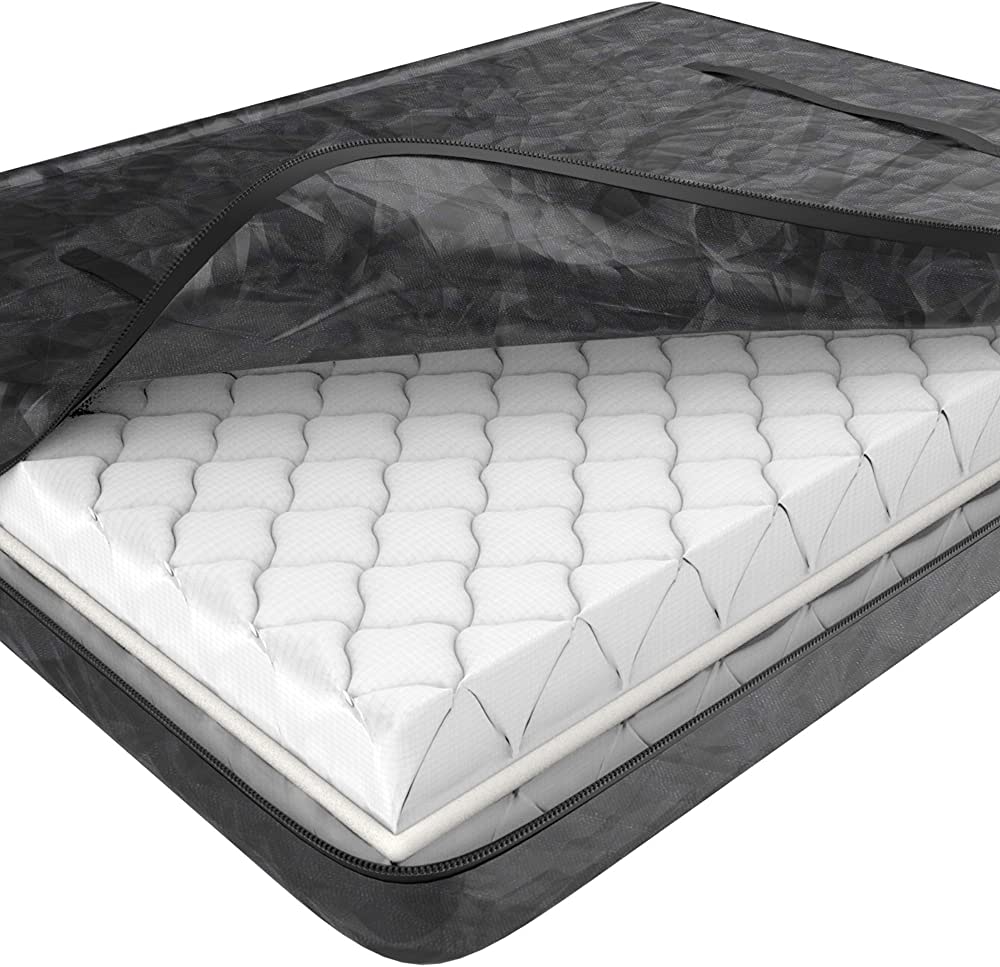
What Is a Disposable Mattress Cover?
A disposable mattress cover is a cover that goes on top of a mattress.
It helps protect the mattress surface.
It is often used for:
bed protection
hygiene
moisture control
fast bed setup
easy bed change
A single-use mattress cover may be used for one patient, or for a short time, and then removed.
Some people also call it:
disposable mattress protector
medical bed cover
mattress barrier cover
protective mattress layer
disposable bed mattress protector
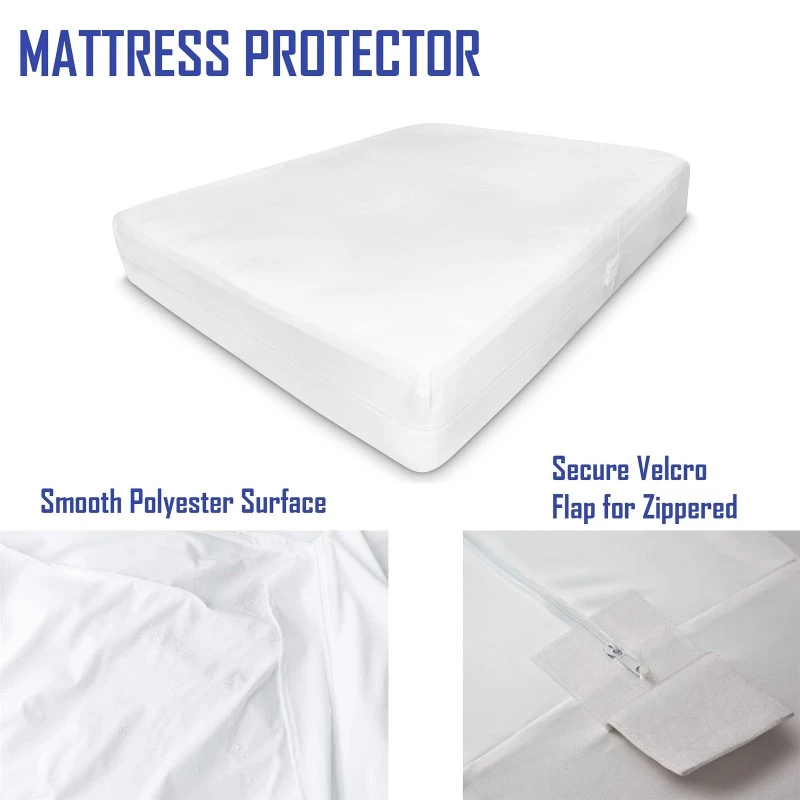
Where Disposable Mattress Covers Are Used
A disposable mattress cover can be used in many places.
Common care and stay settings
hospital
clinic
emergency room
intensive care unit
recovery room
isolation room
nursing home
rehabilitation center
maternity ward
ambulance
Common hospitality and travel settings
hotel
resort
amusement park hotel
theme park lodge
vacation room
guest room
group stay room
staff housing room
short-stay accommodation
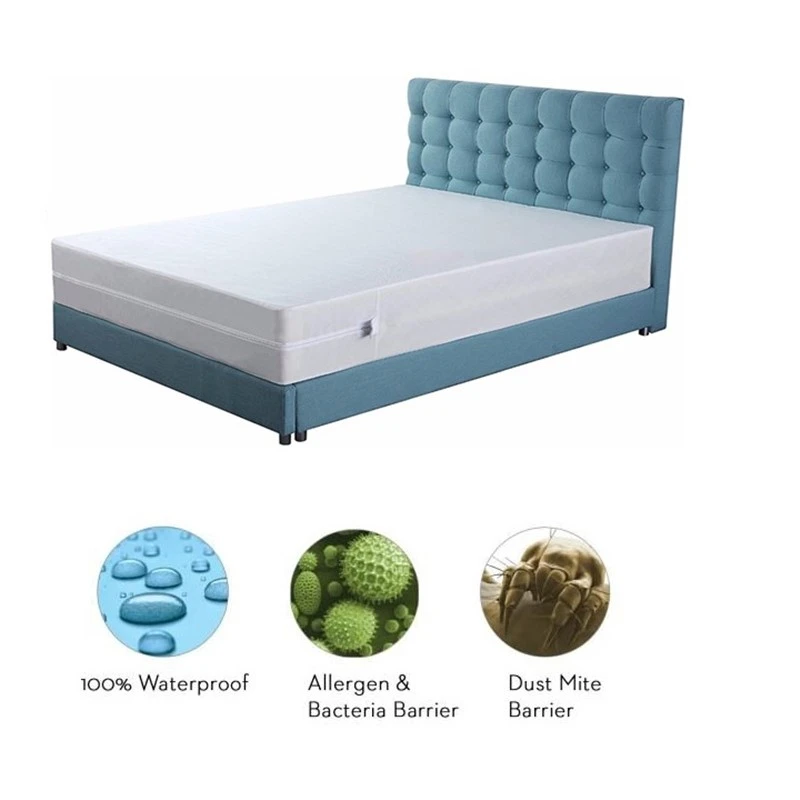
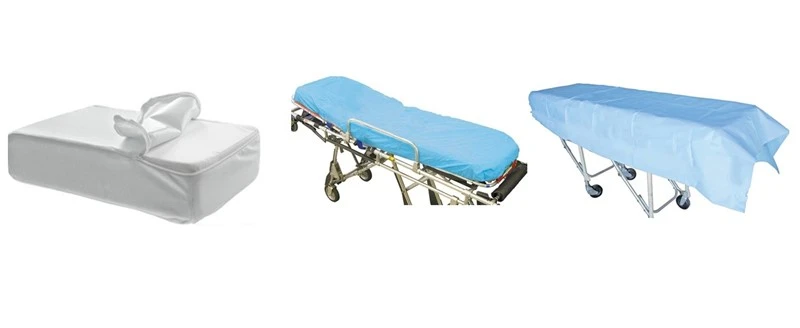
It can also be used on a:
hospital bed
patient bed
guest bed
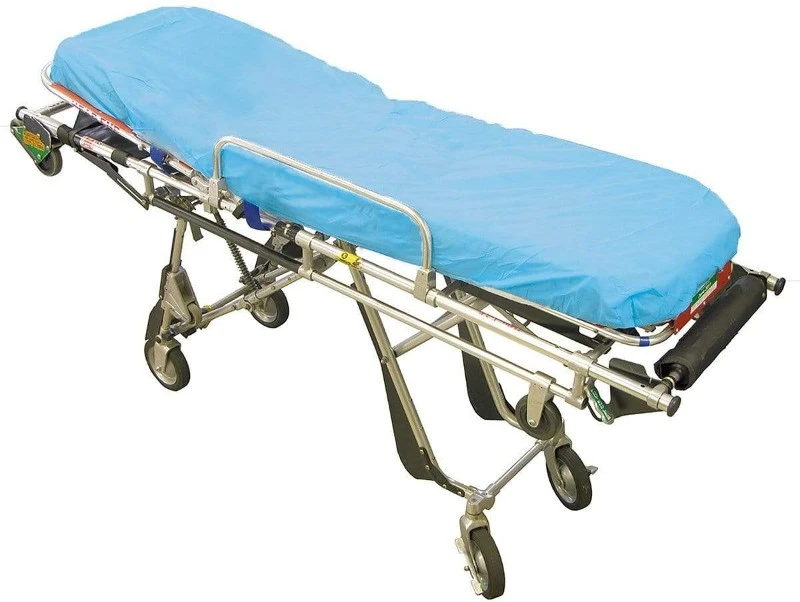
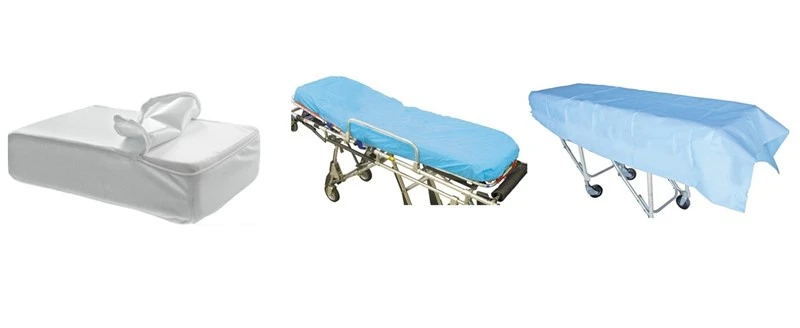
stretcher
gurney
exam table
ambulance cot
Each place has its own needs. That is why a good disposable mattress cover selection guide should match the cover to the room.
Why Teams Use Disposable Mattress Covers
A caregiver, nurse, housekeeping team, hotel cleaner, or room operations team may use these covers for many reasons.
1. To protect the mattress
A cover helps guard the bed from:
spills
wetness
daily wear
dirt
odor
stains
This is why many buyers look for hotel mattress protection, hospital mattress protection, and bed surface hygiene cover.
2. To help with hygiene
Research on shared-use spaces shows that bed surfaces can become dirty during normal use.
This means the bed area must be kept clean.
A disposable bed protector can help staff remove and replace the top layer fast.
3. To save time
A room may need a fast reset. A new guest or patient may be on the way. A fast change helps with room turnover and bed turnover.
In busy places, this matters a lot.
4. To lower laundry work
A reusable cover must be:
picked up
moved
cleaned
dried
stored
sent back
A disposable cover can reduce work for the laundry department or linen team.
5. To help in busy times
In peak travel season, group check-in days, surge care, or overflow use, staff need simple tools. Compact-packed mattress covers are easier to store and use fast.
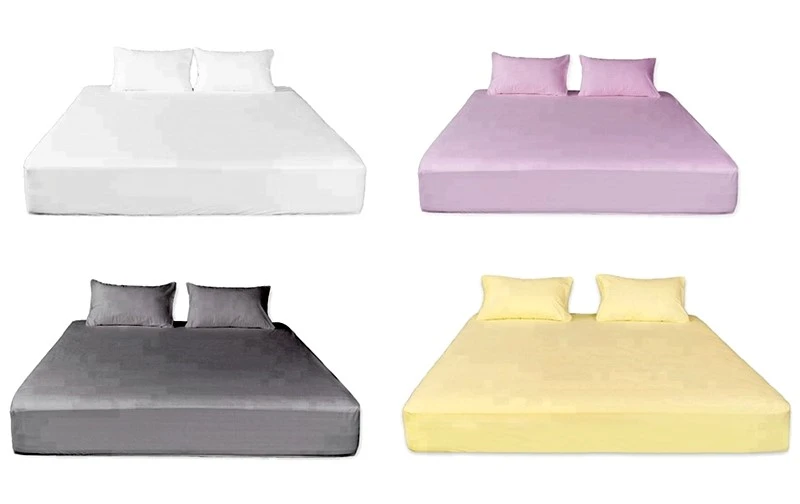
Types of Disposable Mattress Covers
Not all covers are the same.
|
Type |
What It Does |
Best Use |
|
Flat disposable mattress cover |
Lies on top of the bed |
Fast room changes |
|
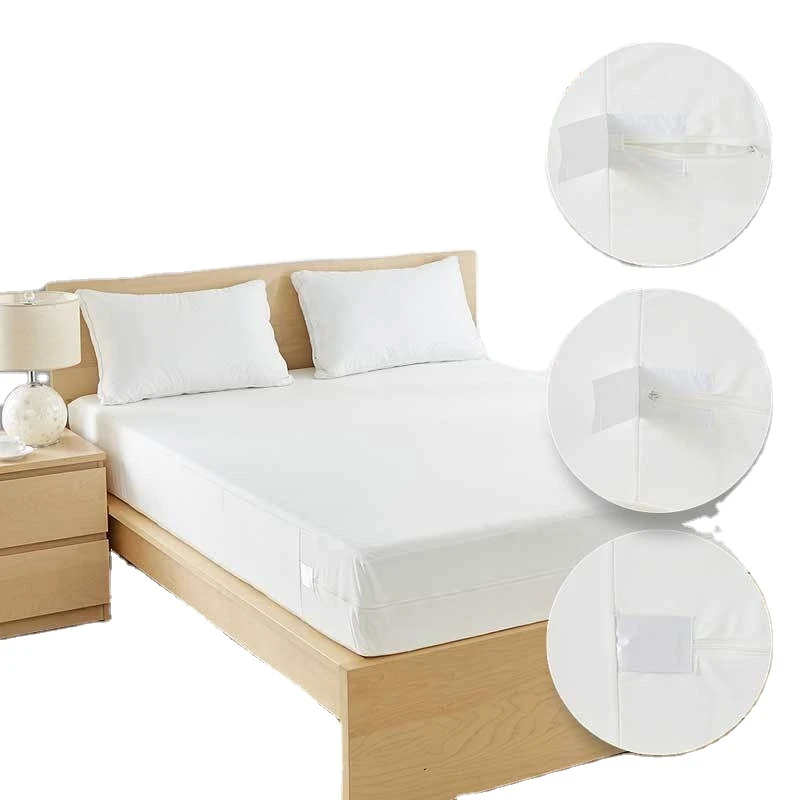
Fitted disposable mattress cover |
Hugs the mattress with a better fit |
Guest rooms and active patient use |
|
Full mattress enclosure cover |
Covers more of the bed |
More full surface cover |
|
Absorbent mattress cover |
Helps manage wetness |
Moisture control |
|
Waterproof disposable mattress cover |
Helps block fluid from the bed |
Spill protection |
|
Multilayer mattress protector |
Mixes comfort and protection |
Mixed use needs |
A secure-fit mattress cover is often a smart pick for a moving patient or an active guest room. A flat cover may work well for short use.
What to Look for Before You Buy
A procurement manager, hotel buyer, or supply chain team should look at more than price.
Here are the top things to check.
1. Material
Many covers are made from:
nonwoven fabric
spunbond material
multilayer fabric
a top absorbent layer
a waterproof layer
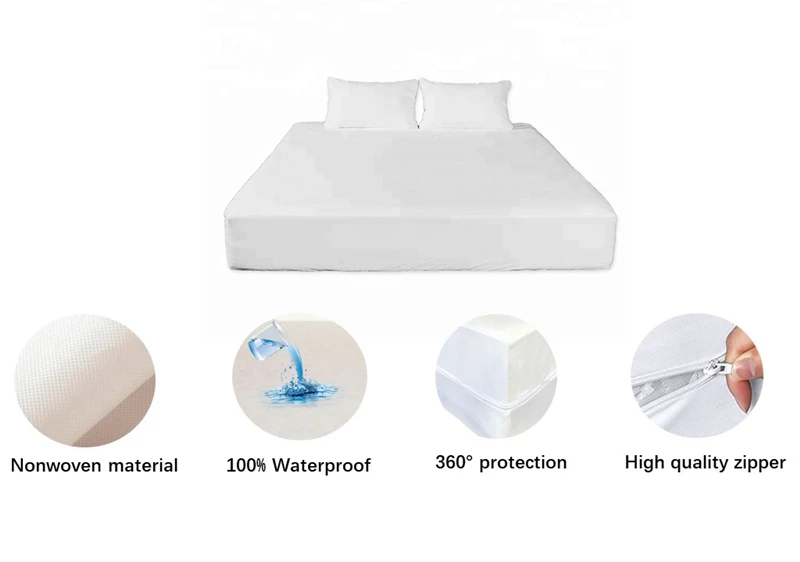
A nonwoven mattress cover is common because it is light and easy to use.
2. Waterproof or absorbent
Some covers focus on stopping fluid. Some focus on holding wetness. Some do both.
Think about your need:
waterproof disposable mattress cover for spill risk
absorbent mattress cover for wetness on the top
both for more full bed care use
This is a key part of absorbency vs waterproof mattress cover buying.
3. Size and fit
The cover must fit the bed.
Check the:
length
width
depth
shape
A poor fit can slide off. It can bunch up. It can tear.
Look for:
elastic edge
fitted cover
universal fit mattress cover
deep mattress disposable cover
large size options if needed
4. Strength
A weak cover may rip when a patient moves or when staff change a room fast.
Reviews of real use show that weak covers may tear during repositioning or routine movement.
This matters a lot for:
patient transfer mattress cover
stretcher mattress cover
ambulance mattress cover
high-turnover hotel room use
overnight stays
A tear-resistant mattress cover can save time and cut waste.
5. Comfort
A cover should not feel rough or loud.
Studies on skin care and user feel show that texture, heat buildup, friction, and noise can affect comfort.
Look for:
soft-touch mattress protector
breathable disposable mattress cover
quiet disposable mattress cover
skin-friendly mattress cover
This is very important in a guest room, resort room, nursing home, or long-term care facility.
6. Storage
A storage room has only so much space.
Check:
pack size
fold size
case count
shelf use
Research on supply flow shows that packaging format affects shelf space and access speed.
This matters in both a hospital and a hotel linen room.
7. Total cost
Do not look only at the unit cost.
Think about:
buy price
labor time
room reset speed
laundry needs
waste disposal
restock needs
Research on operations shows that reusable protective bedding adds handling, collection, cleaning, drying, and redistribution steps.
That is why total cost is a smart buying view.
What the Data Shows
Here is a simple look at the data from the table above.
|
Topic |
Simple Finding |
Why It Matters |
|
Mattress surface contamination |
Bed surfaces can get dirty in normal use |
You need easy bed protection |
|
Textile handling burden |
Reusable covers need more work |
Labor cost matters |
|
Room turnover speed |
Fast reset helps room flow |
Easy-change covers help |
|
Moisture exposure |
Wet bed surfaces lower comfort |
Absorbency matters |
|
User comfort |
Heat, feel, and noise affect rest |
Soft covers are better |
|
Skin friction |
Friction and dampness stress skin |
Smooth, dry covers help |
|
Product failure risk |
Weak covers may tear |
Strength matters |
|
Storage efficiency |
Small packs are easier to store |
Pack size matters |
These points help explain why buyers look for easy-change mattress cover, cost-effective mattress protection, and bed hygiene solutions.
How to Choose for Each Setting
Each room is not the same.
Hospital inpatient rooms
Choose a cover with:
soft feel
good fit
some moisture control
enough strength for daily care
Emergency room
Choose:
fast-change cover
secure fit
good fluid control
Fast room reset is key here.
Outpatient clinic
Choose:
simple cover
quick setup
easy removal
A short visit does not always need the same cover as an overnight stay.
Isolation room
Choose:
easy-remove cover
one-time-use cover
simple disposal flow
Single-use protective layers can make change-out easier in rooms that need careful handling.
Nursing home or long-term care
Choose:
soft surface
low friction
moisture control
patient comfort focus
Hotel and resort rooms
Choose:
clean-feel cover
quiet material
secure fit
fast room reset design
This helps on busy check-in and check-out days.
Amusement park hotels and lodge rooms
Choose:
fast-change cover
strong cover
easy storage
bulk pack supply
These sites often have heavy guest flow, family stays, and quick room turnover.
Ambulance and transport use
Choose:
ambulance mattress cover
secure fit
strong cover
fast change
Disposable vs Reusable Mattress Covers
Both types can work. The right choice depends on the job.
|
Point |
Disposable |
Reusable |
|
Laundry need |
Low |
High |
|
Change speed |
Fast |
Slower |
|
Storage style |
Often compact |
Needs more linen flow |
|
Waste volume |
More solid waste |
Less solid waste |
|
Labor need |
Less handling |
More handling |
|
Best fit |
Short stay, busy rooms, travel stays, transport |
Some longer routine use |
A smart supply chain plan may use both.
Common Buying Mistakes
Do not make these mistakes:
buying only by low price
picking the wrong size
forgetting guest comfort
forgetting patient comfort
not checking for fluid-resistant mattress cover
ignoring cover strength
using one cover for all rooms
not checking storage space
A good selection guide should always match the cover to the room and user need.
Quick Buyer Checklist
Use this list before a bulk order.
Fits the mattress
Has the right waterproof or absorbent design
Feels good for the guest or patient
Strong enough for daily use
Easy for staff to place and remove
Easy to store
Good for the setting
Makes sense on total cost
Conclusion
The best disposable mattress cover is not just cheap. It must fit the bed, protect the mattress surface, help staff work fast, and support guest comfort or patient comfort.
Data from care and room workflow shows clear points:
bed surfaces can get dirty in use
reusable covers add more work
fast room reset helps room flow
wetness and friction can hurt comfort
weak covers can tear
So, when you choose a disposable mattress protector, look at:
material
fit
absorbency
waterproof protection
strength
comfort
storage
total cost
That is the best way to use this Disposable Mattress Cover Selection Guide and make a smart choice for your hotel, amusement park accommodation, healthcare facility, or other shared-room setting.


