



Picking the wrong disposable bed sheet roll for your clinic is not just a supply problem. It's a patient safety problem. The wrong material tears mid-procedure. The wrong width leaves your examination table exposed. The wrong GSM weight fails to stop fluid - and suddenly you've got a hospital acquired infection (HAI) risk that no amount of sanitizing fixes after the fact.
This guide cuts straight to what you need to know. By the end, you'll match the right medical grade disposable bed sheets to your exact clinical setting - first time, every time.
Step 1: Choose Your Material First - Everything Else Follows
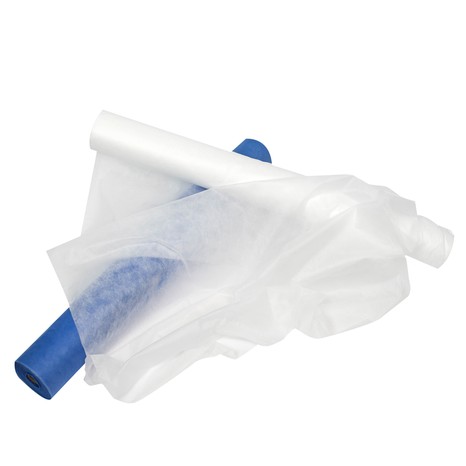
Material is the single most important decision you'll make. Get this right and everything else gets easier. Get it wrong and you're replacing rolls mid-order cycle.
Here are the six main materials used in disposable couch rolls for clinics and medical facilities:
| Material | Key Properties | Best Clinical Use | Fluid Resistance |
|---|---|---|---|
| PP Non-Woven (Polypropylene) | Breathable, soft, lightweight | GP clinics, physiotherapy, chiropractic, blood draw, ultrasound, radiology | Low |
| SMS Non-Woven (Spunbond-Meltblown-Spunbond) | Three-layer barrier, fluid resistant | Dermatology, outpatient clinics, dental clinic, emergency room | High |
| Spunlace Non-Woven (viscose spunlace blend) | Cotton-soft feel, gentle on skin | Aged care, oncology, nursing home, rehabilitation clinic | Low–Medium |
| Hydrophilic Non-Woven | Absorbent top + waterproof backing | Wound care, dialysis, gynecology examination, podiatry | High |
| PE / CPE Plastic Film (Chlorinated Polyethylene) | Fully waterproof, fluid-proof | Surgical prep, waxing, high-fluid procedures | Very High |
| Microporous Film | Sterile barrier, clinical-grade | Sterile field procedures, surgical draping | Very High |
PP non-woven works perfectly for most GP clinic disposable sheets and general examination rooms. But if you run a wound care clinic or dialysis clinic - you need hydrophilic non-woven every time. Fluid management isn't optional in those settings.
Need an eco-friendly option? PLA (Polylactic Acid) biodegradable sheets now exist for facilities pursuing Ecocert or Green Seal sustainability certification - a smart choice for clinics building green credentials.
Step 2: Match GSM Weight to Your Procedure Risk Level
GSM - Grams per Square Meter - tells you how strong and protective your sheet actually is. Don't let suppliers give you a vague range. Demand a fixed number.
Here's exactly what each GSM level delivers:
| GSM Range | Sheet Strength | Barrier Level | Best For | Cost Level |
|---|---|---|---|---|
| 15–20 GSM | Light | Low | High-volume GP clinics, basic examination | Lowest |
| 20–25 GSM | Standard | Medium | General clinical use - most common choice | Low–Medium |
| 25–35 GSM | Medium-Heavy | Medium–High | Dermatology, physiotherapy, outpatient | Medium |
| 35–50 GSM | Heavy | High | Wound care, dialysis, gynecology, surgical prep | Higher |
| 50+ GSM | Clinical-Grade | Very High | Sterile field, surgical draping, high-fluid | Highest |
Never use sub-20 GSM sheets for any procedure involving fluids or skin breakdown risk. That's a hard rule. A sheet failure mid-procedure creates a contact precautions failure that OSHA 29 CFR 1910.1030 - the bloodborne pathogen standard - takes very seriously.
For most hospital outpatient bed sheets and general examination room use, 20–25 GSM PP non-woven hits the sweet spot between cost and performance.
Step 3: Get Your Roll Width and Length Right
An examination table left uncovered at the edges is a hygiene gap - full stop. Measure your table before you order. Don't guess.
| Clinical Equipment | Standard Width | Recommended Roll Width |
|---|---|---|
| Standard examination table | 60–70 cm | 70 cm roll |
| Wide examination / treatment table | 70–80 cm | 80 cm roll |
| Physiotherapy / chiropractic table | 70–75 cm | 75–80 cm roll |
| Gynecology examination table | 60–70 cm | 70 cm roll |
| Surgical prep table | 80–90 cm | 90 cm roll |
For roll length, match to your daily patient volume:
- 50m rolls - under 20 patients per day
- 80m rolls - 20 to 50 patients per day
- 100m rolls - high-volume hospitals, busy outpatient departments, active GP clinics
Perforated disposable bed rolls save real time during peak hours. One tear-and-go motion between patients beats cutting every time. For varied procedure lengths - like a radiology table paper roll versus a short GP examination - non-perforated gives you more flexibility.
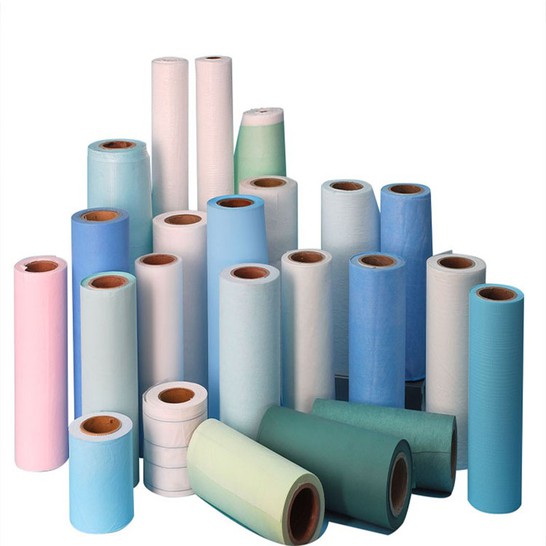
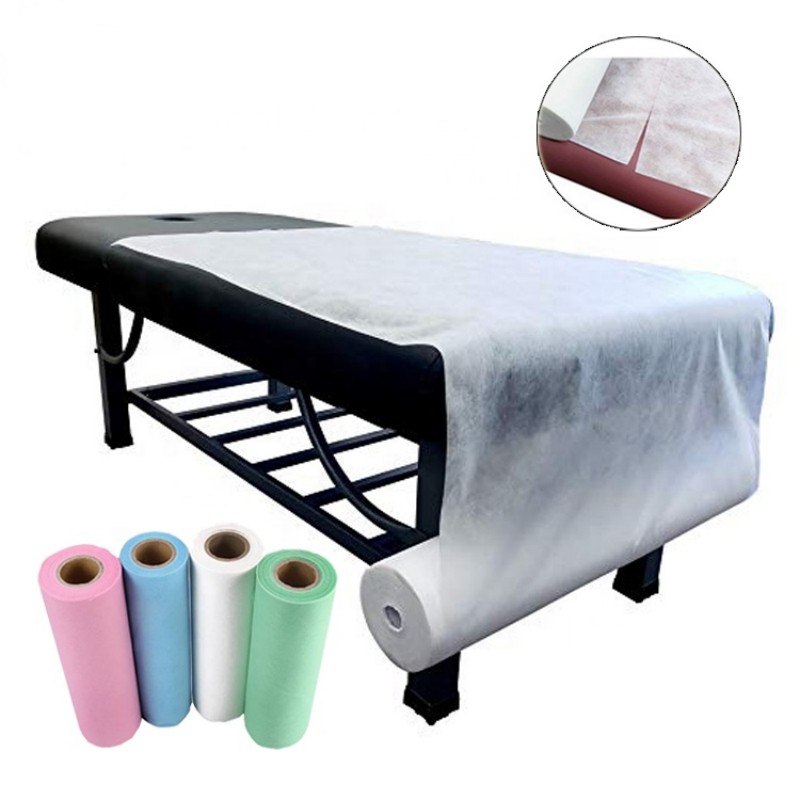
A well-chosen disposable non woven bed sheet roll 1 covers your table fully every time - no gaps, no guessing.
Step 4: Know When You Need Sterile Sheets
Not every clinic needs sterile sheets. Buying sterile when you don't need it wastes budget. Here's the clear rule:
- Sterile required: Surgical draping, wound debridement, sterile field procedures
- Clean (non-sterile) sufficient: GP examination, physiotherapy, chiropractic, general outpatient, podiatry clinic, blood draw clinic, ultrasound table, dental clinic
For sterile-required settings, look for medical bed sheets sterile with EO sterilization confirmation. For everything else, clean non-sterile disposable hospital bed sheets meet CDC surface hygiene guidelines, WHO infection prevention standards, and APIC and SHEA professional body recommendations for single patient use medical sheets and single use sheets infection control protocols.
Certification checklist - demand these before bulk ordering:
| Certification | Who Requires It |
|---|---|
| ISO 13485 | All regulated medical facilities |
| CE Mark | EU-based clinics and hospitals |
| GMP (Good Manufacturing Practice) | All regulated medical facilities |
| FDA Registration | US clinics and hospitals |
| AAMI PB70 | Surgical and high-fluid settings |
| EN 13795 | EU surgical facilities |
| TGA Registration | Australian clinics |
The Joint Commission, CMS (Centers for Medicare and Medicaid Services), MHRA, Health Canada, and NICE guidelines all tie clinical linen hygiene standards directly to accreditation outcomes. Don't let a supplier skip this step.
Always ask for a Certificate of Conformity (CoC) and barrier performance test reports. If a supplier can't provide them - move on.
Step 5: Calculate Your True Cost Per Patient
Most clinics that switch from reusable linen to disposable sheets are surprised - the math almost always favors disposable. Here's why the total cost of ownership (TCO) model tells the full story:
| Cost Element | Reusable Linen | Disposable Sheet Roll |
|---|---|---|
| Purchase cost | High upfront | Low per unit |
| Laundry - water and energy | High | Zero |
| Laundry - detergent | Ongoing | Zero |
| Staff labor - wash, dry, fold | High | Zero |
| Linen replacement (wear and tear) | Every 6–12 months | N/A |
| HAI infection liability risk | Present | Eliminated |
| Health inspection compliance risk | Present | Minimized |
| True cost per patient | High + hidden | $0.05–$0.20 predictable |
A 40-patient clinic spending $0.10 per sheet pays $4.00 per day in sheet costs - and eliminates laundry costs, staff laundry labor, and cross contamination prevention failure risk entirely. Most clinics hit their break-even point within 30–45 days of switching.
Bulk wholesale pricing drops cost per unit further. Always request a tiered pricing schedule when you contact a supplier about wholesale disposable bed sheet rolls for medical facility supply procurement.
Step 6: Match Sheet Type to Your Specific Procedure
Here's your full procedure-to-sheet matching table - the fastest reference for clinic procurement decisions:
| Clinical Setting | Material | GSM | Width |
|---|---|---|---|
| GP general examination | PP Non-Woven | 20–25 | 70 cm |
| Physiotherapy / chiropractic table | PP or Spunlace | 20–30 | 75–80 cm |
| Dermatology consultation | SMS Non-Woven | 25–35 | 70–80 cm |
| Wound care / dressing clinic | Hydrophilic Non-Woven | 35–50 | 70–80 cm |
| Gynecology examination | Hydrophilic Non-Woven | 35–50 | 70 cm |
| Dialysis treatment | Hydrophilic Non-Woven | 35–50 | 80 cm |
| Oncology / aged care / nursing home | Spunlace Non-Woven | 30–40 | 80 cm |
| Surgical prep | PE / CPE / Microporous | 40–60 | 90 cm |
| Blood draw / phlebotomy | PP Non-Woven | 20–25 | 70 cm |
| Ultrasound / radiology table | PP Non-Woven | 20–25 | 70–80 cm |
| Dental clinic | PP or SMS Non-Woven | 20–30 | 60–70 cm |
| Podiatry clinic | PP or Hydrophilic | 25–35 | 70 cm |
| Emergency room | SMS or Hydrophilic | 35–50 | 80–90 cm |
| Rehabilitation clinic | PP or Spunlace | 20–30 | 75–80 cm |
Pair your sheet roll with a disposable drape sheet 3 for procedures that need extra coverage or sterile field support.
FAQs
Q: What's the best disposable bed sheet roll material for a general GP clinic? A 20–25 GSM PP non-woven roll is the ideal choice - breathable, soft on skin, easy to dispense, and cost-effective at volume.
Q: How do I know what width roll to order for my examination table? Measure your table width first. Most standard tables need a 70 cm roll. Physiotherapy and surgical prep tables typically need 80–90 cm.
Q: Do medical clinics need sterile disposable bed sheets? Only for sterile field procedures. For general examination room use across GP clinics, physiotherapy, dental, and outpatient settings, clean non-sterile sheets fully meet CDC, WHO, and NICE guidelines.
Q: How many meters of roll do I need per day? Multiply your daily patient count by your average sheet cut length - typically 1.8 to 2.2 meters. A 100m roll covers roughly 45–55 patients per day.
Q: Is the total cost of disposable sheets really lower than reusable linen? Yes. When you add laundry water, energy, detergent, staff labor, and linen replacement costs - plus HAI liability risk - reusable linen costs far more than the unit price suggests. Most clinics find disposable sheets cost $0.05 to $0.20 per patient use at bulk pricing.
The wrong disposable bed sheet roll is a clinical risk. The right one is invisible - it just works, every patient, every time.
Request your free sample today. Test the material. Check the GSM weight. Confirm the width fits your examination table. Then commit to your bulk order with confidence.


