




You know those blankets, pillows, and slippers you get on flights? Someone has to buy millions of them. If that's your job, you're in the right place.
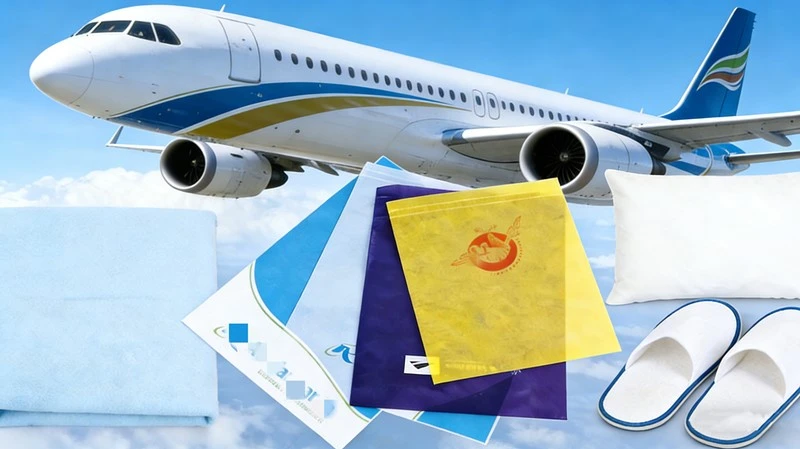
We're talking about the stuff passengers use once and either take home or toss out. The basics are blankets, pillows (plus the covers that go on them), those headrest covers, slippers for walking around the cabin, and eyeshades for catching some sleep.
Here's something wild: this market is exploding. Right now it's worth about $1.1 billion, but by 2036? We're looking at $3.5 billion. That's some serious growth.
Why This Stuff Actually Matters
Happy Passengers Come Back
Look, 35% of people pick their flights based on how comfortable they'll be. That's huge. When someone has a good flight, they remember it. They book with you again. They tell their friends. A scratchy blanket or a lumpy pillow? That's the kind of thing people complain about on social media.
Clean is Everything Now
Nobody wants to think about who used their blanket before them. Each passenger creates about 0.94 kg of waste per flight, and keeping things sanitary is a constant battle. Disposable items solve that problem instantly. Fresh for every passenger, every time.
The Money Side Makes Sense Too
Yeah, you can wash and reuse blankets. They'll last 30 to 100 washes depending on the material. But here's what people forget: washing isn't free. You need water, power, detergent, labor, and somewhere to do all that washing. Sometimes it's actually cheaper to just use disposable items and skip the whole laundering operation.
What You're Actually Buying
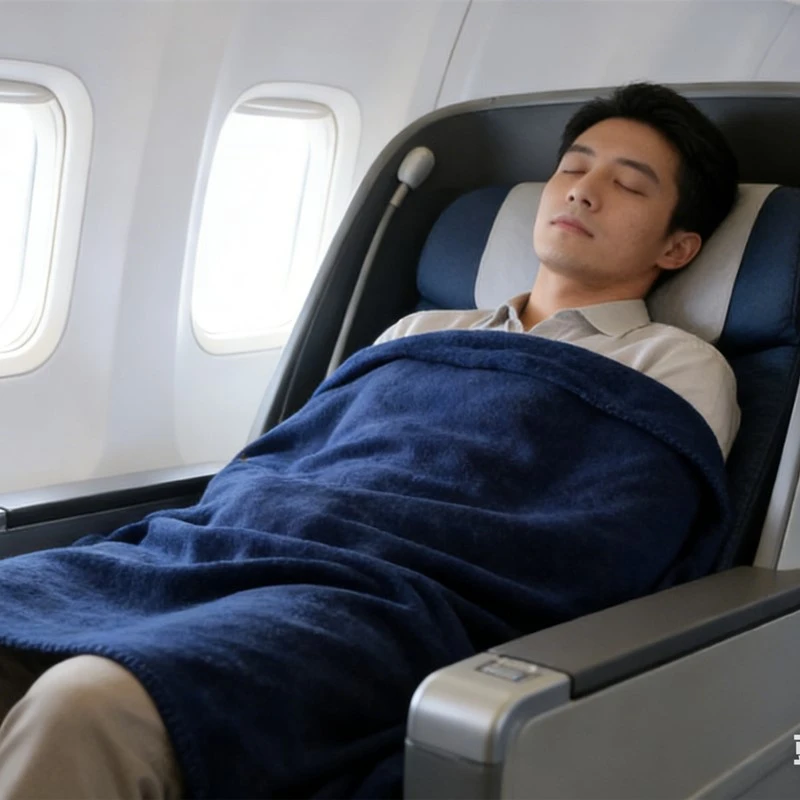
Blankets That Keep People Warm
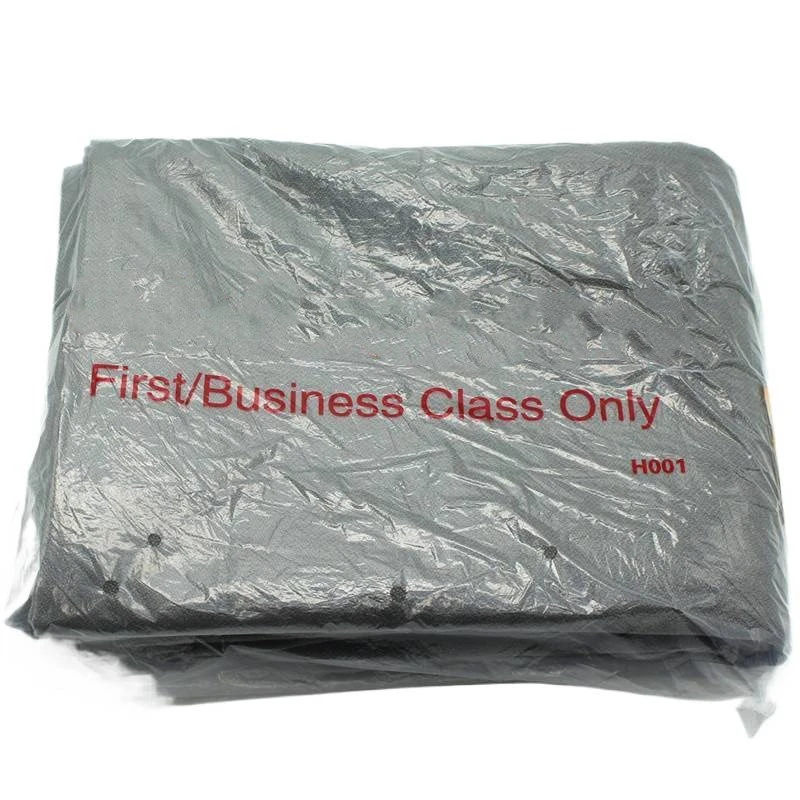
Not all blankets are created equal. You've got options:
|
Type |
How Heavy |
When to Use It |
|
Light nonwoven |
80-100g |
Quick hops under 3 hours |
|
Medium fleece |
120-150g |
Cross-country flights |
|
Heavy woven |
180-200g |
International, first class |
Most are somewhere between 100×150cm and 130×180cm. You can get them in any color that matches your airline's look.
Pillows (And the Covers That Go On Them)
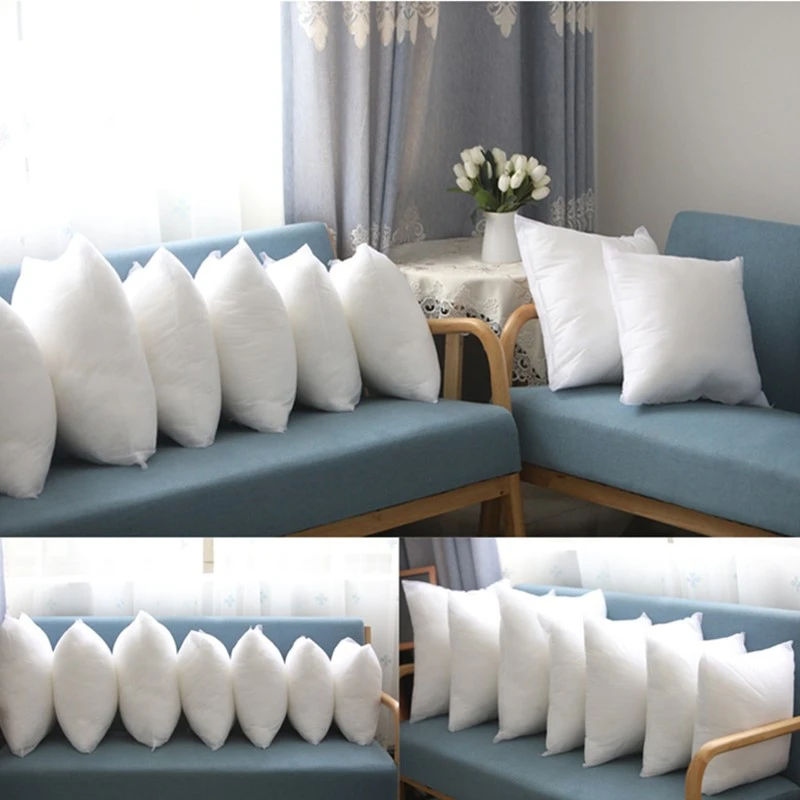
These usually run 30×40cm up to 40×60cm. The trick is deciding between buying pillows with covers already on them, or buying them separately.
For the covers, you've got three main choices:
PP nonwoven - cheap and does the job
SMS fabric - nicer feel, lasts longer
Cotton blend - feels premium, costs more
Pro tip: vacuum-packed pillows save a ton of storage space. When you're loading planes, every inch counts.
Headrest Covers
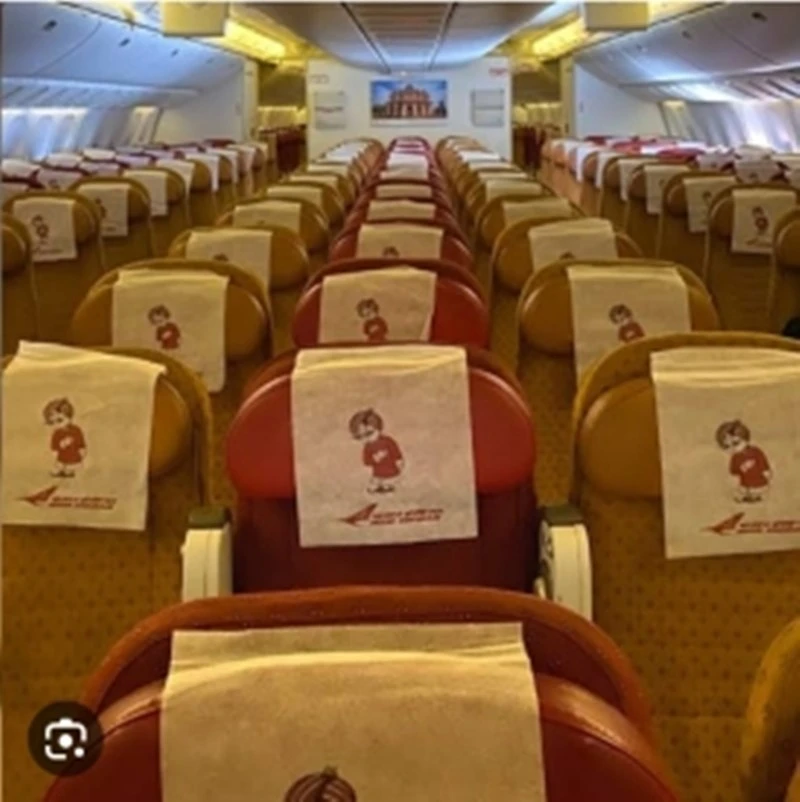
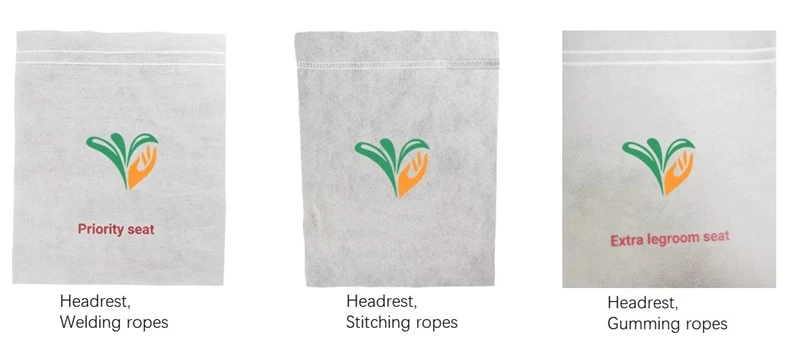
These go on the top of every seat. They keep hair oil and makeup off the actual seat fabric. Most weigh 35-40g and measure around 20×24cm.
Slippers for Happy Feet
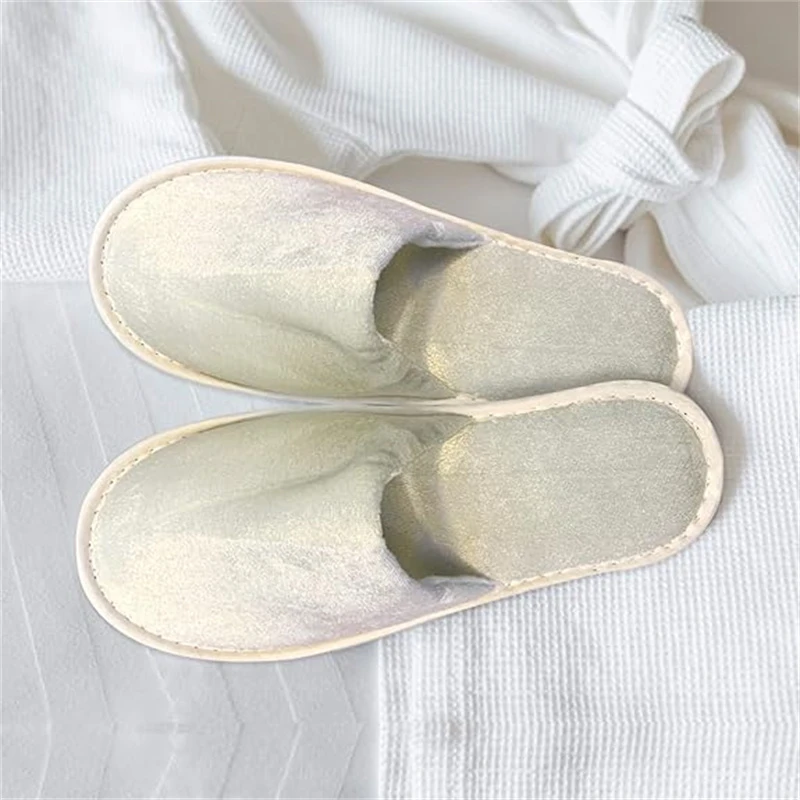
Nothing beats taking your shoes off on a long flight. Give people slippers and they'll actually do it without worrying about gross airplane floors.
You've got two styles:
Closed-toe - covers the whole foot, warmer
Open-toe - more breathable, easier to slip on
Either way, get ones with anti-slip soles. Last thing you need is someone falling in the aisle. They usually come packed 24 to 100 pairs at a time.
Eye Masks for Sleeping
Simple but effective. About 20×10cm with an elastic band around the back. Each one should come individually wrapped because, well, it's going on someone's face.
Buying in bulk? Expect packs of 200 or so.
Picking Your Materials (This Part Actually Matters)
The Standard: PP Nonwoven
Polypropylene is your workhorse material. It's:
Light as air
Soft enough that people don't complain
Dirt cheap
Won't cause allergic reactions
You can get it anywhere from 15g to 45g depending on how thick you want it.
Step It Up: SMS Fabric
SMS (yeah, it stands for Spunbond Meltblown Spunbond, but nobody calls it that) is basically PP's cooler older brother. It's tougher, feels nicer, lasts longer. Costs a bit more but passengers notice the difference.
Waterproof: PP+PE Film
This has a plastic film layer that blocks liquids. Great for routes where you're serving messy meals, or if someone spills their drink. It's a lifesaver in those situations.
The Green Options
Here's the reality: aviation produces 3.6 million tonnes of cabin waste every year. By 2040, that number doubles. Airlines are under pressure to do better.
Your eco-friendly choices:
Bamboo fiber - grows like a weed, breaks down naturally
Eucalyptus fiber - soft and sustainable
PLA - made from plants, not petroleum
Organic cotton - no nasty chemicals
Just avoid PET plastic. It doesn't break down, ever.
Let's Talk Money
It's Not Just the Sticker Price
Sure, you see the cost per blanket. But that's not the whole story:
|
What You're Paying For |
The Hidden Costs |
|
The actual products |
Negotiating bulk discounts, payment terms |
|
Keeping them somewhere |
Warehouse rent, climate control systems |
|
Getting them to planes |
Shipping, sorting, distributing to hubs |
|
Throwing them away |
Trash fees, recycling programs |
Do the Math Per Passenger
You need to know what each passenger costs you. It changes based on:
How long the flight is
What class they're sitting in
Whether it's domestic or international
Your first class passengers are getting way more stuff than someone in economy. That's just how it works.
Buy More, Pay Less
The more you order at once, the cheaper each piece gets. Makes sense, right?
Here's roughly what you're looking at:
Regular stuff with no changes: 10,000 pieces minimum
Want custom sizes or colors? 10,000 to 50,000 pieces
Adding your logo? 50,000 pieces or more
Finding Good Suppliers
What Separates the Good Ones from the Rest
The suppliers you want to work with have:
Factories big enough to handle your orders
Track record of shipping on time
Real quality checks, not just promises
Proper certifications and paperwork
Prices that won't blow your budget
Making It Yours
Most decent suppliers will let you:
Pick whatever colors you want
Slap your logo on there
Adjust sizes to fit your needs
Design custom packaging
Always Test First
Never, and I mean never, place a huge order without testing samples first. Check for:
Actually comfortable, or just looks nice?
Does it rip when someone moves around?
Will it pass safety inspections?
What do your flight attendants and passengers think?
Being Better for the Planet
The Problem's Getting Worse
Aviation waste is spiraling. That doubling by 2040 we mentioned? It's coming whether we like it or not. Unless airlines change how they operate.
What Actually Works
Smart airlines are:
Switching to materials that break down naturally
Only giving stuff out when passengers actually want it
Setting up real recycling programs
Using packaging that can be composted
Actually tracking their waste numbers
Get this: the textile industry alone pumps out 1.2 billion tonnes of CO2 annually. That's more than all the planes and cargo ships combined. The materials you pick really do make a difference.
How to Not Mess This Up
Think Ahead
Figure out:
How many planes you're running
Seats per aircraft
How demand shifts with seasons
What you need for emergencies
Don't Put All Your Eggs in One Basket
Work with several suppliers. If one has problems, you're not stuck. Simple as that.
Actually Listen to People
Your flight attendants use this stuff every day. Your passengers are the ones sleeping on it. Ask them what's working and what's not. They'll tell you.
Keep Getting Better
Check your numbers. Compare prices. Try new products. See what's new out there. This isn't a "set it and forget it" kind of thing.
Mistakes Everyone Makes (Don't Be Everyone)
Ordering way too much, then it all expires
Going cheap and regretting it when complaints roll in
Skipping the sample stage (seriously, don't)
Ignoring environmental goals until corporate asks about them
Forgetting that storage costs real money
What's Coming Next
Things are changing fast:
Blankets with built-in tech (heating, tracking, who knows)
Products that completely disappear after a few months
Customized amenities based on passenger data
Way stricter environmental regulations
The UN's working on a plastic treaty right now. New rules are coming. Get ahead of it.
Bottom Line
Buying airline disposable products isn't rocket science, but it's not simple either. You're balancing:
Budget - because there's always a budget
Quality - because passengers notice
Sustainability - because the planet matters and regulators are watching
Good buying makes your airline better. Happy passengers fly again. Smart purchasing saves money. Green choices matter for the long run.
Start by really understanding what you need. Test everything. Find suppliers you trust. Plan for the future. And yeah, keep listening to feedback.
These disposable products touch millions of people every year. Make them count.
Your Quick Reference List:
✓ Know how many passengers you're serving ✓ Figure out your real cost per person ✓ Get samples before committing ✓ Test for comfort and safety both ✓ Verify all certifications ✓ Make sure you have storage space ✓ Set real sustainability targets ✓ Build relationships with multiple suppliers ✓ Track what's working and what's not ✓ Always be looking for improvements


