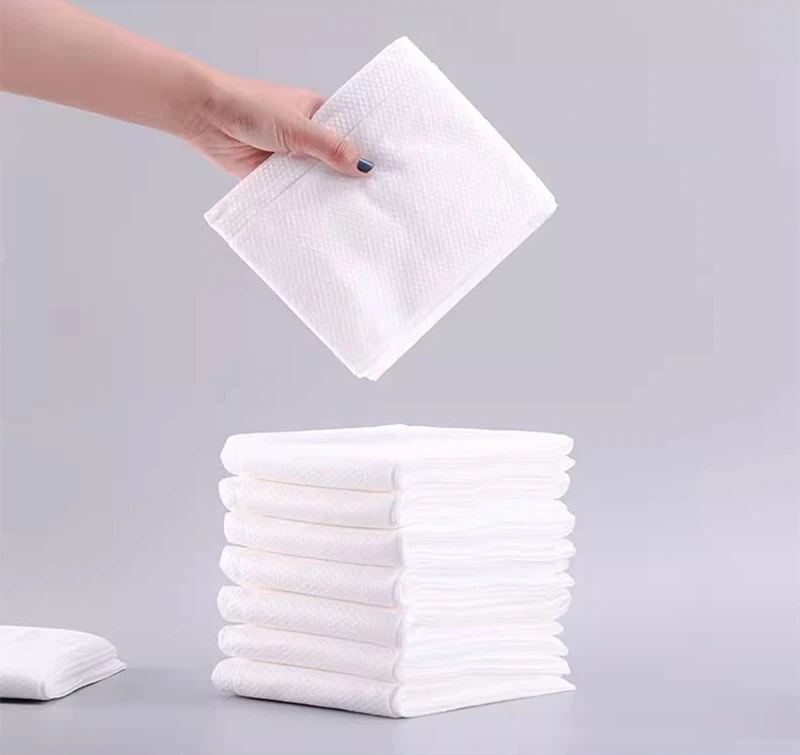


You finish your shower. You feel clean. Then you grab a towel that has been hanging there for a week.
That towel is not as clean as you think.
Reusable bath towels collect bacteria, mold, and mildew fast. Studies show E. coli shows up on 25–30% of household towels. Staphylococcus aureus has been found on towels used by perfectly healthy people. And most of us wash our towels every 7–10 days - but dermatologists recommend washing every 2–3 uses.
The fix is simple. Disposable shower towels.
One small swap. A genuinely big difference.
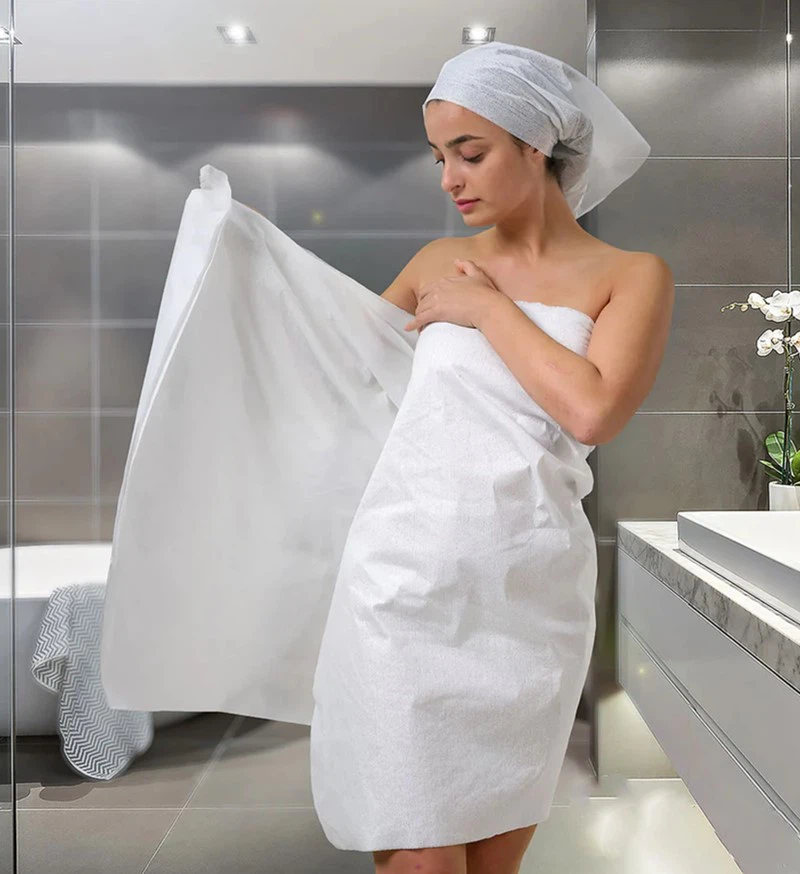
What Are Disposable Shower Towels?
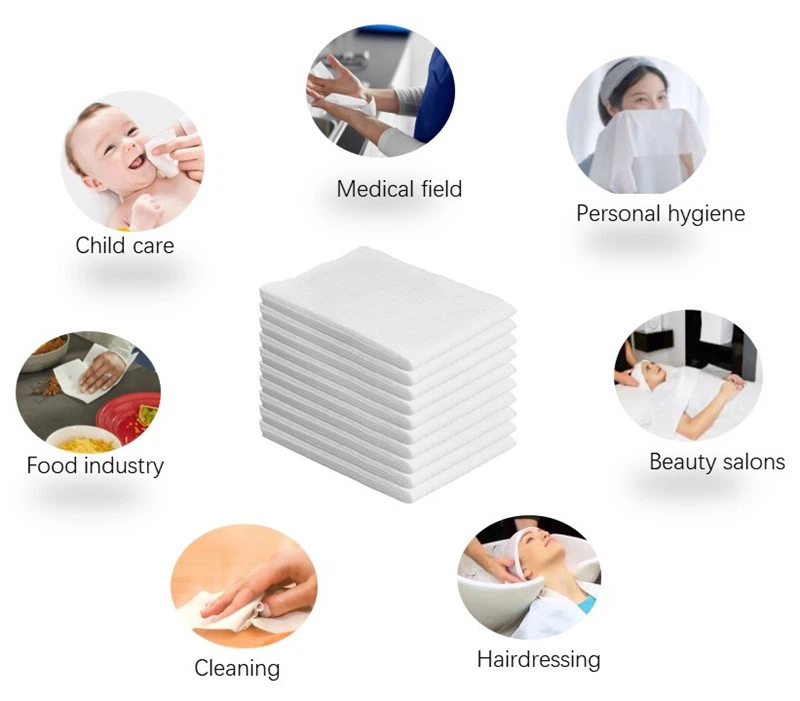
Disposable shower towels are single-use bath towels made from non-woven fabric. You use them once. Then you throw them away.
They are made from materials like:
Spunlace material
Wood pulp fiber
Viscose fiber
Bamboo fiber
Polypropylene fiber
Softness is measured in GSM - grams per square meter. Higher GSM means a softer, thicker towel. Good disposable body towels range from 40 to 80+ GSM. At the higher end, they feel close to cotton.
They come in several types:
|
Type |
Best Used For |
|
Full body disposable towels |
Post shower drying |
|
Disposable face towels |
Face cleansing routine |
|
Disposable wash cloths |
Body washing |
|
Compressed disposable towels |
Travel and gym bag |
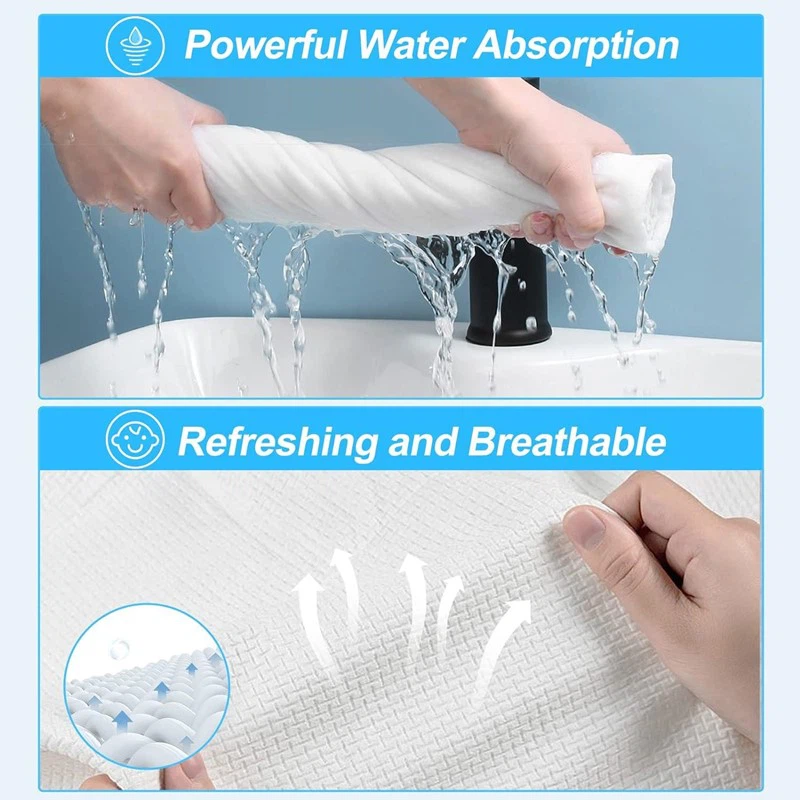
They are not flimsy paper products. They are soft, strong, and absorbent enough for a real daily shower routine.

The Hygiene Problem With Your Current Towel
Here is something uncomfortable.
Your reusable bath towel is a perfect home for bacterial contamination. It stays damp. It hangs in a warm home bathroom. Bacteria love exactly those conditions.
|
Finding |
Data |
|
E. coli found on towels |
25–30% of household towels tested |
|
Mold and mildew growth begins |
Within 24–48 hours on damp towels |
|
Cross contamination risk in shared bathrooms |
Up to 400% higher with shared towels |
|
Average person washes their towel |
Every 7–10 days |
|
Dermatologist recommendation |
Every 2–3 uses |
This matters for your skin health. Every time you dry off with a dirty towel, you press bacteria straight onto freshly cleaned skin. That triggers:
Acne and skin breakouts
Fungal skin infections like tinea and ringworm
Contact dermatitis from laundry detergent residue
Folliculitis - infected hair follicles on your back and shoulders
Eczema flare-ups from rough or chemical-treated fabric
Rosacea aggravation
Skin microbiome disruption
A dermatologist, allergist, or esthetician will all tell you the same thing. A clean towel is part of a healthy post shower skincare routine. Single-use bath towels make that easy.
How They Fit Into Your Daily Routine
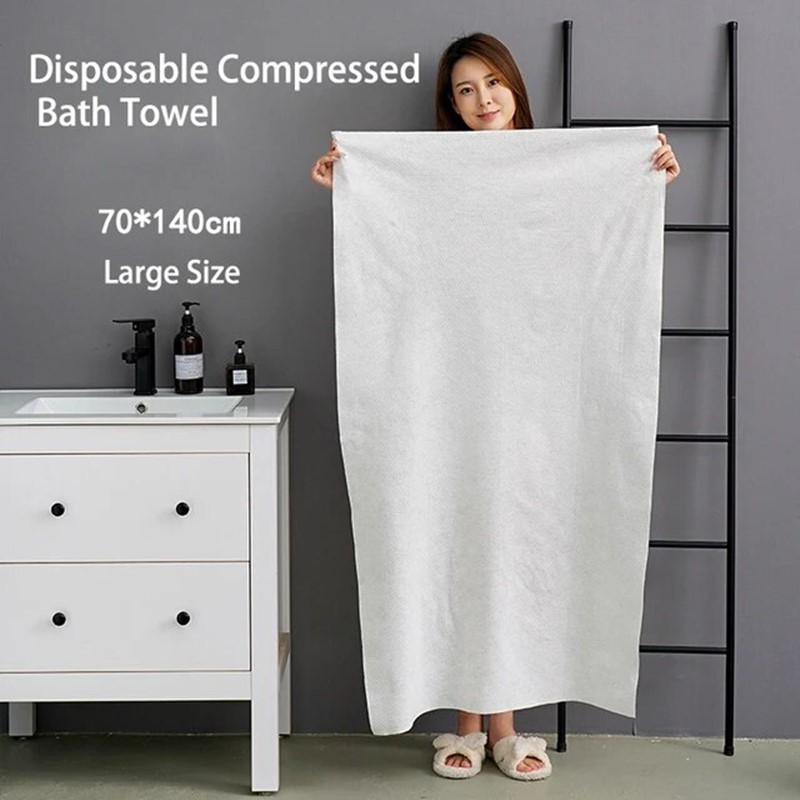
Using disposable shower towels is simple.
Step 1 - Finish your shower Step 2 - Open a fresh towel Step 3 - Dry off Step 4 - Toss it in the waste disposal bin
No wet towel hanging on the rack. No mold and mildew building up. No dragging damp towels to the laundry. Your bathroom morning routine stays clean and clutter-free.
This fits perfectly into a minimalist bathroom setup. Less laundry. Less mess. Less stress. It is one of the easiest time saving bathroom tips you will ever try.
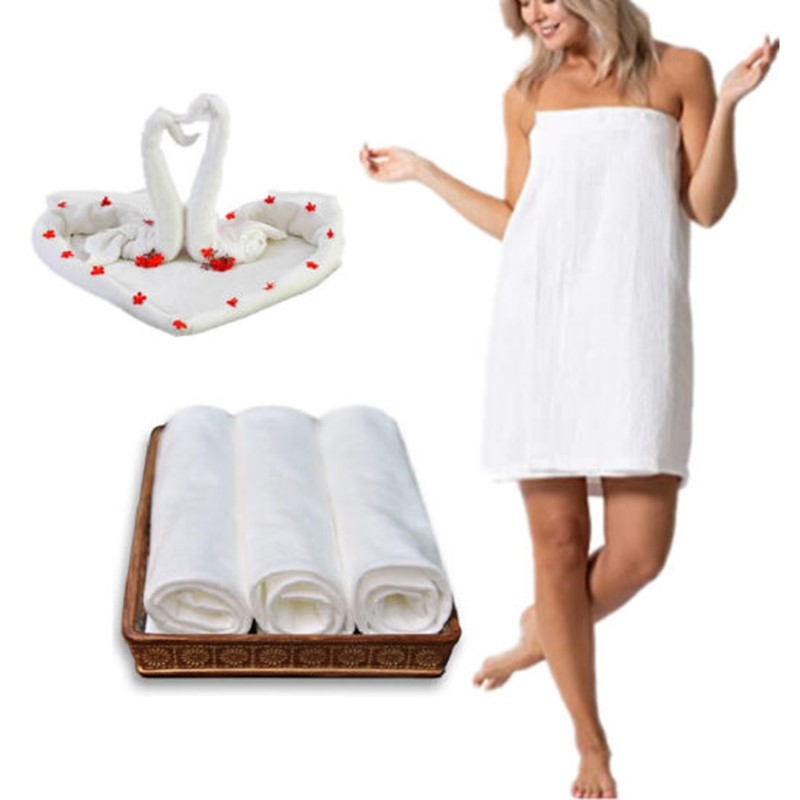
The Real Cost Breakdown
Most people assume disposable shower towels cost more. The numbers tell a different story.
|
Cost Factor |
Reusable Towels |
Disposable Towels |
|
Cost per towel |
$8–$25 |
$0.20–$0.80 |
|
Annual laundry cost |
$50–$150 |
$0 |
|
Water used per year |
3,000–6,000 gallons |
Near zero |
|
Time spent on towel laundry |
20–40 hours per year |
0 hours |
|
Annual total cost - 1 person |
$180–$450 |
$75–$200 |
|
Annual total cost - family of 4 |
$600–$1,200+ |
$250–$600 |
A family of 4 can save up to $600 a year by switching. That is real money - and real time back in your week.
Who Benefits Most?
Disposable shower towels work for almost everyone. But some people feel the difference most:
Sensitive skin sufferers dealing with eczema, rosacea, or contact dermatitis
Busy people who want a faster bathroom routine for busy people
Travelers who need travel hygiene essentials without the bulk
Gym goers packing a gym bag - no wet towel sitting inside all day
Airbnb hosts who want a hygienic guest experience without extra laundry
Elderly care patients at home where infection control matters
Post-surgery recovery patients who need a clean, low-risk option
New parents protecting newborn skin
College dormitory students dealing with shared bathroom cross contamination
The Environmental Question - Answered Honestly
This is the fair question. Are disposable towels bad for the planet?
Here is the honest comparison:
|
Environmental Factor |
Reusable Cotton Towels |
Biodegradable Disposable Towels |
|
Water used per wash |
15–30 gallons |
0 gallons |
|
Annual water use |
3,000–6,000 gallons |
Minimal |
|
Laundry detergent chemical runoff |
Every wash cycle |
None |
|
Biodegradability |
1–5 years in landfill |
30–90 days (bamboo/wood pulp) |
|
End of life |
Landfill or recycling |
Compostable options available |
Cotton farming uses enormous amounts of water. Laundering adds chemical runoff through laundry detergent and fabric softener every single cycle.
Biodegradable bath towels made from bamboo fiber or wood pulp fiber break down in 30–90 days in a composting facility. Pair them with proper recycling facility disposal and your sustainable bathroom routine is actually better - not worse.
Choose eco-friendly disposable towels. Dispose of them in the right waste disposal bin. That is a genuinely green bathroom habit.
How to Choose the Right One
Not all disposable shower towels are the same. Here is a simple guide:
|
Feature |
What to Look For |
|
GSM |
60–80+ for soft, full body drying |
|
Material |
Spunlace, bamboo fiber, or wood pulp fiber |
|
Size |
Full body coverage - check dimensions |
|
Travel use |
Look for compressed disposable towels |
|
Sensitive skin |
Choose fragrance-free, chemical-free options |
|
Eco preference |
Choose biodegradable or compostable options |
Simple Tips to Start
Start small - try them at the gym shower room or on your next hotel stay before committing at home
Stock them simply - keep a small pack in your minimalist bathroom or travel toiletry bag
Dispose responsibly - use a composting program if available at your local recycling facility
Talk to your family - frame it as a personal hygiene routine upgrade, not a downgrade