



Disposable Apron vs Disposable Gown: Which One Should You Use?
People mix these two up a lot. An apron is not a small gown. A gown is not a fancy apron.
A disposable apron covers your front. A disposable gown covers more of you. That is the real difference. The rest is details.
If splash hits your belly, the apron can work. If it hits your arms too, it probably will not.

What Is a Disposable Apron?
It is a cover you wear one time. Then you toss it.
Most plastic aprons go over the front. You tie the neck. You tie the waist. Some pull over the head. The back stays open. A lot of them have no sleeves at all. A lot of these are PE film. Some are CPE. Some are coated PP. Water hits the front and rolls off. That part is good.
You see them in food rooms. At sinks. On cleaning jobs. Anywhere the mess comes straight at your chest.
It is light. You can put it on fast. It does not cost much. Your arms? Still out in the open. Your back too.
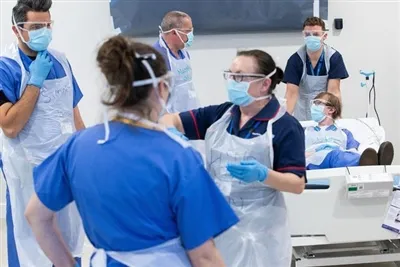
What Is a Disposable Gown?
Same idea, different shape. Still one wear. Still in the trash after.
A disposable gown has sleeves. Most of the time they are long. It covers your chest. It covers your arms. It covers more of your sides. Many cover more of the back, if you wrap it.You tie the neck. You wrap it. You tie the waist. It takes longer. You can feel that extra cloth.
The cloth might be PP. It might be SMS. Some have a PE coat. Film holds wet stuff better. Thin PP can soak through on the chest. I have seen that happen.People grab gowns for patient care. Messy lab work. Visitors who need more than a bib. Any job where your arms might get wet.
More cover. More heat. More money.
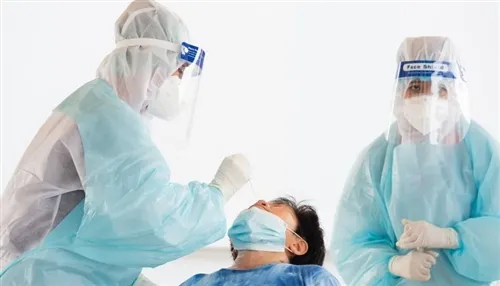
The Big Differences
Do not overthink the names. Look at where you get wet.
Front vs more of you. The apron is a wall for your chest, belly, and lap. That is it. The gown tries to wrap more. Arms. Sides. Sometimes the back. If you only spill down your front, the apron is often enough. If you turn, reach, or hug a wet tray, the apron leaves you hanging.
Arms. This is where aprons lose. No sleeves, or short ones. People always say the same thing after. "My arms got wet." Gowns have sleeves. Some have knit cuffs. Some have elastic. Some have thumb loops. Those cuffs help your gloves stay put.
Splash. A film apron can beat a thin gown right on the chest. Liquid just sheets off. But the gown still wins once the mess moves. Front-only cover fails when you move around.
Heat. Aprons stay cooler. Air hits your back. You can sit. You can reach. A gown feels like extra clothes. Sleeves grab. Staff in hot rooms will keep an apron on. They will take a gown off if they do not need it.
Time. Apron on: about 5 to 15 seconds. Off: about the same. Gown on: about 20 to 45 seconds. Off: about 20 to 40. You also have to watch the dirty outside. First-time users mess up gown ties. Apron ties are simpler.
Look. Apron looks like kitchen or cleaning. Gown looks like clinic or lab. Put the wrong one on and people stare. Sounds small. It is not, if guests are watching.
Trash.The apron is smaller, so it makes less trash each time. The gown is bulkier. It also covers more skin. You are paying for that extra cloth.
Here is the catch. Cheap fails if your arms still get soaked. Then someone grabs a second piece. Or two aprons. Now the "cheap" choice is not cheap.
Quick Table
|
What you check |
Disposable apron |
Disposable gown |
Simple take |
|
Covers |
Chest, belly, lap |
Chest, arms, sides, more back |
Apron = front only |
|
Back |
Open |
More, if it wraps |
Biggest gap |
|
Arms |
Bare or short |
Full sleeve |
Apron loses here |
|
Put on |
5–15 seconds |
20–45 seconds |
Apron is quicker |
|
Heat |
Cooler |
Hotter |
Hot rooms hate gowns |
|
Front splash |
Strong with film |
Depends on cloth |
Film apron can win on the chest |
|
Arm / back splash |
Weak |
Better |
Why gowns exist |
|
Food / cleaning |
Most people pick this |
Too hot on some lines |
Speed wins |
|
Wet care / medical |
Often not enough |
Most people pick this |
Arms matter |
|
Trash |
Less per piece |
More per piece |
You dump more gown |
So Which One?
Ask where the mess lands. Not what the catalog calls it.
Use a disposable apron if:
splash hits the front
your arms stay pretty dry
you do food work
you wash dishes
you wipe and clean
the job is short
the room is hot
you need to move fast
you do not want to spend much
A lot of people, maybe 65 to 80 percent, pick aprons for food and cleaning.

Use a disposable gown if:
your arms need cover
the sides or back might get hit
you do patient care
the work is messy
you are at a wet lab bench
a visitor needs more than a bib
clothes have to stay cleaner all the way around
Maybe 60 to 75 percent pick gowns for wet care or medical area.

What Happens in Real Rooms
A food line tried full gowns. Staff got hot. The gowns hung on hooks. Film aprons stayed on. Clothes still looked better. Heat won.
Sink work was different. Apron saved the belly. Forearms still dripped. Gown sleeves stayed drier. Some places split it: apron for plating, gown at the sink. A clinic tried aprons first. Fine until someone reached around a patient. Then the sides and arms got it. Gowns cut those hits.
A lab bench can go either way. Front pours? Apron. Turning, carrying trays, reaching past someone? Gown.
If people start layering a gown over an apron, you bought the wrong first item.
Stuff People Get Wrong
They use an apron, get wet arms, then say the apron is junk. It did the front job. The job needed sleeves.They hand out gowns for dry plating. Everyone sweats. Then nobody wears anything.
One size for all. Short people step on it. Tall people flash a lot of pant leg. Length matters when you sit. A short apron does not cover the lap.
They skip the take-off. Dirty outside slaps the shirt. Then what was the point?Same box for a kitchen and a wet care room. Those are not the same mess.

Putting It On/Taking It Off
Apron Look for a tear first. Neck, then waist. Smooth the front. When you are done, get it off so the wet side does not wipe you. Bunch it in. Bag it. Trash. Wash your hands.
Gown Arms in. Tie the neck. Wrap. Tie the waist. Cover the back as much as you can. Cuffs over or under gloves, however your room does it.
To take it off, work from the inside. Do not hug the dirty outside. Slide the sleeves. Roll it in. Bag. Trash. Wash your hands.
Yes, the gown is fussier. That extra minute is part of the cost.
Last Bit
Need a front shield in a hot food room?
Disposable apron Need sleeves because the mess moves?
Disposable gown The apron is fast, cool, and cheap. The gown covers more and costs more. Neither one wins every day.Match the cover to the splash. If you guess, you will guess wrong.
FAQ
Q1: What is the main difference? Apron = front. Gown = more of you, especially the arms.
Q2: Which protects better? The gown covers more. The apron can still shed liquid well on the chest. It just leaves arms and back open.
Q3: Which costs less? The apron. By a lot, if you change them as often.
Q4: Can an apron replace a gown? Only if splash stays on the front and your arms stay dry. Otherwise no.
Q5: Better for food work? Usually the apron. Faster. Cooler.
Q6: Better for patient care? Usually the gown. Arms and sides get hit.
Q7: Do they cover the back? Apron almost never. Gown does more, if you wrap it.
Q8: Which is faster? The apron. A few seconds. The gown can take half a minute.


