




What Are Disposable Products?
Disposable products are items we use once and throw away. These products help keep things clean and safe. They are used in hospitals, nursing homes, and homes.
Materials are what these products are made from. The right material makes a product work well. This guide will help you pick the best material for your needs.
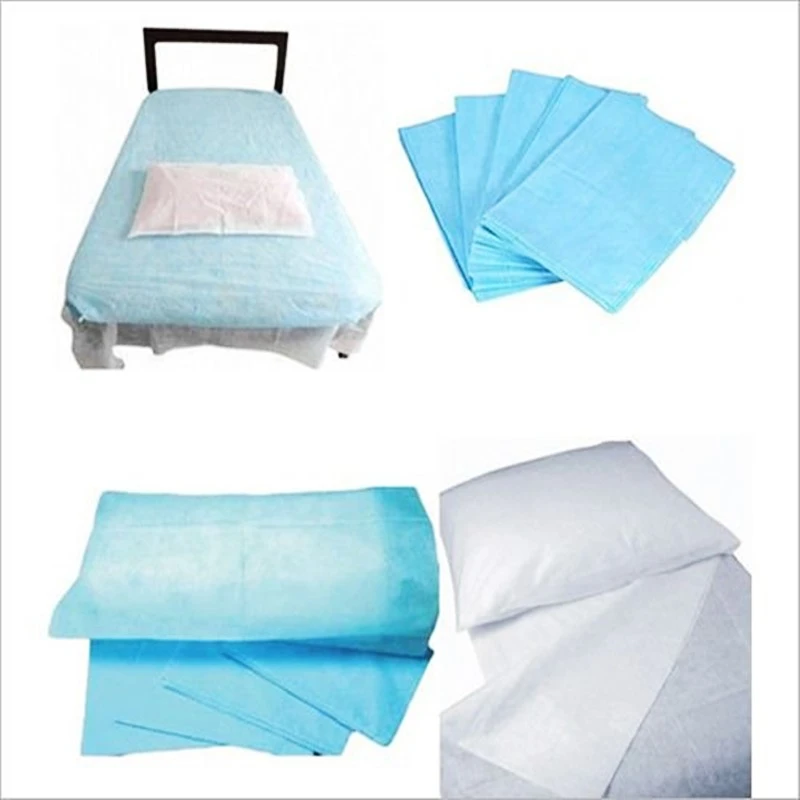
Why Materials Matter
Different materials do different jobs. Some materials:
Stop water from getting through
Let air flow through them
Feel soft on skin
Cost less money
Break down in nature
Picking the right material saves money and keeps people safe.
Main Types of Materials
1. PP Nonwoven (Polypropylene)
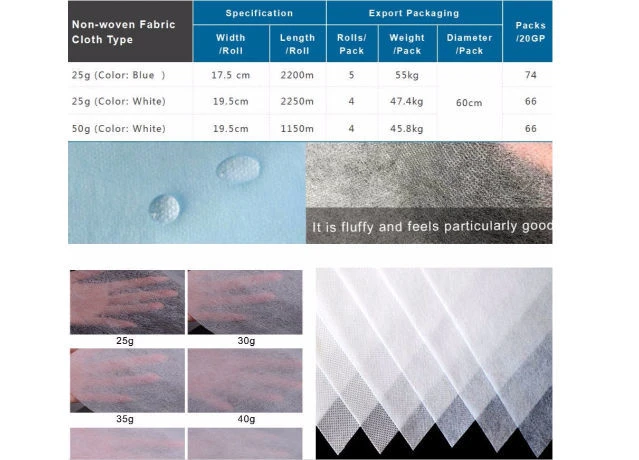
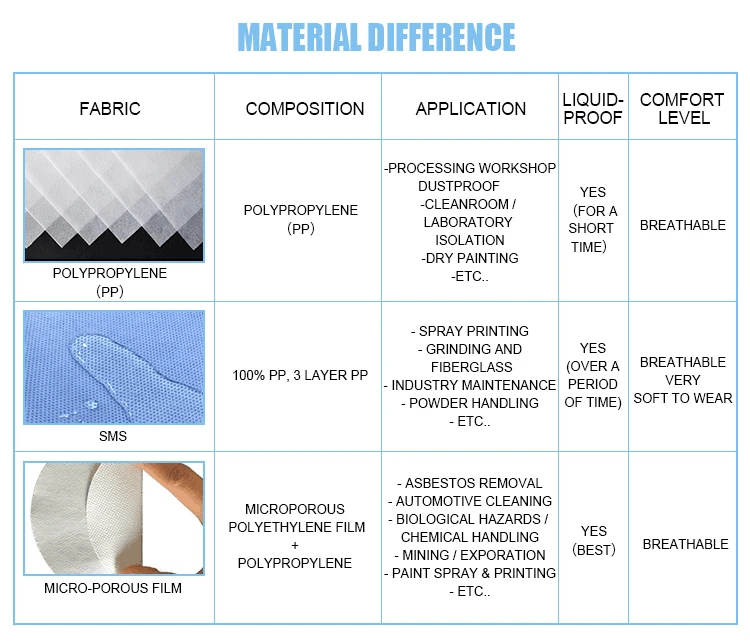
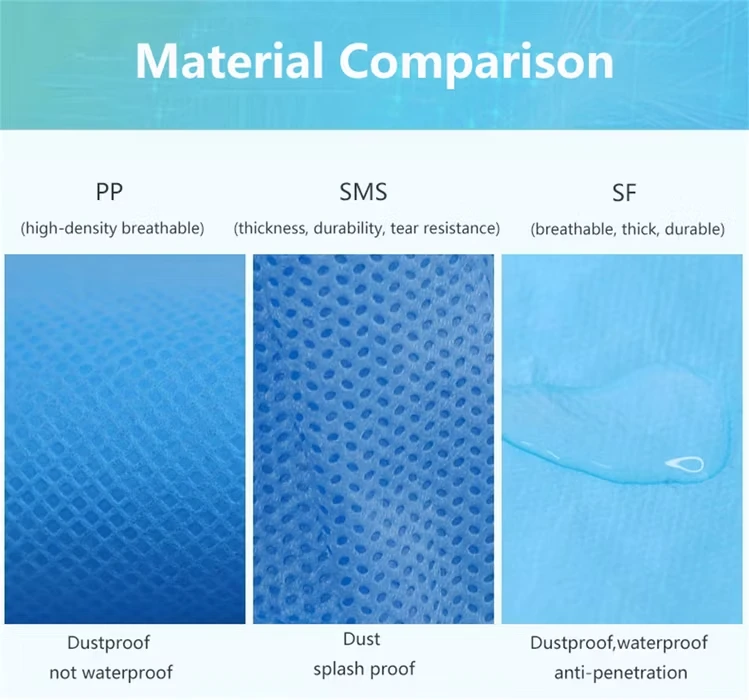
PP nonwoven is a very common material. It is made from plastic fibers pressed together.
Good things about PP:
Costs less than other materials
Lets air through
Strong enough for most jobs
Easy to make
Where it is used:
Surgical gowns
Bed sheets
Shoe covers
PP nonwoven weighs between 10 to 100 grams per square meter. It costs about $1.60 to $2.10 per kilogram to make.
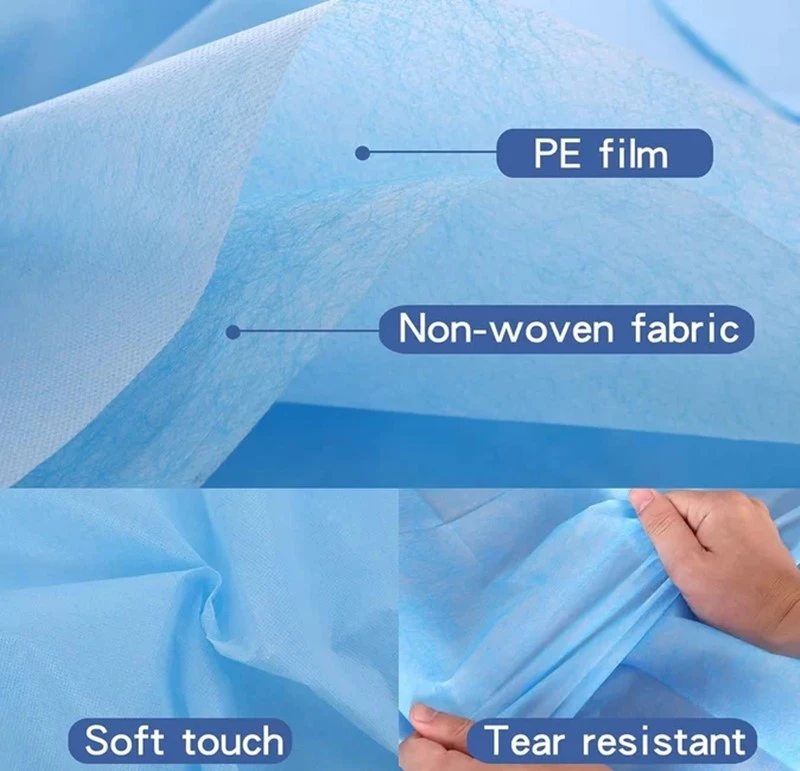
2. PE Film (Polyethylene)
PE film is a thin plastic sheet. It stops all water from getting through.
Good things about PE:
Very good at blocking water
Costs the least
Strong and hard to tear
Fast to make
Where it is used:
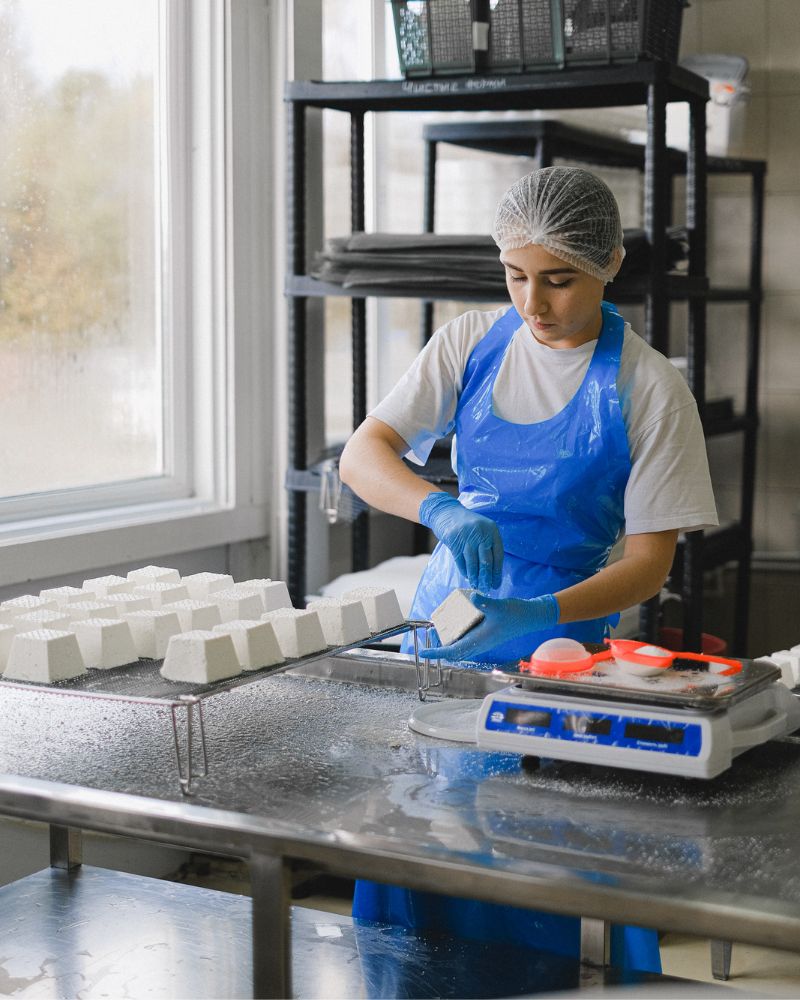
Protective aprons
Underpad backing
Table covers
PE film does not let air through. It weighs 15 to 50 grams per square meter. It costs about $1.30 to $1.80 per kilogram.
3. SMS Nonwoven
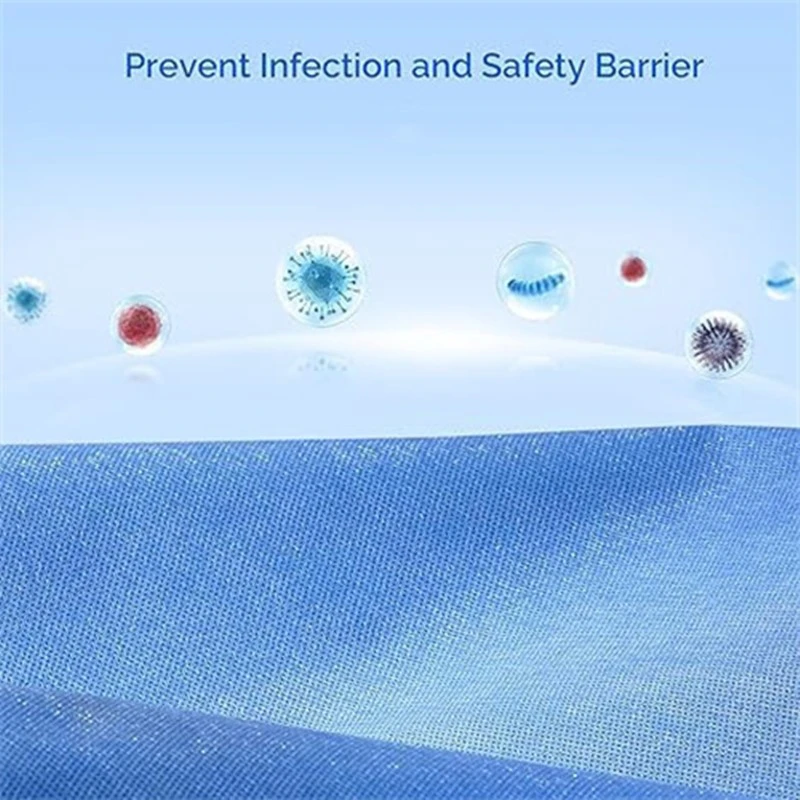
SMS stands for three layers: Spunbond-Meltblown-Spunbond. This material has three layers pressed together.
Good things about SMS:
Stops bacteria very well (98-99.5%)
Stops water but lets some air through
Stronger than regular PP
Good for medical use
Where it is used:
Surgical drapes
Surgical masks
Sterile wraps
SMS nonwoven weighs 20 to 60 grams per square meter. It costs about $2.60 to $3.20 per kilogram. This is more than PP but gives better protection.
4. PP+PE Laminate
This material puts PP and PE together. The two layers are joined to make one material.
Good things about PP+PE:
Very strong
Stops water completely
Lets a little air through
Good balance of features
Where it is used:
Bed sheets
Surgical drapes
Patient drapes
PP+PE laminate weighs 30 to 80 grams per square meter. It costs about $2.00 to $2.70 per kilogram.
5. Biodegradable Materials
Biodegradable materials break down in nature. They are made from plant materials like corn or wood.
Good things about biodegradable:
Better for Earth
Break down in 6 months to 2 years
Can be composted
Reduce plastic waste
Bad things:
Cost much more (2 to 4 times more)
Not as strong
Not as reliable yet
These materials are growing 20% each year as more people want eco-friendly options.
Material Comparison Table
|
Material |
Cost |
Stops Water |
Lets Air Through |
Strength |
Best Use |
|
PP Nonwoven |
Low |
Fair |
Very Good |
Good |
Basic protection |
|
PE Film |
Very Low |
Excellent |
None |
Very Good |
Water barrier |
|
SMS |
Medium |
Very Good |
Fair |
Excellent |
Medical/surgical |
|
PP+PE |
Medium |
Excellent |
Poor |
Excellent |
High protection |
|
Biodegradable |
High |
Fair |
Good |
Fair |
Eco-friendly needs |
Performance Numbers
Here are the key performance numbers for each material:
Strength Test
PP Spunbond: 30-80 N/5cm
SMS: 40-100 N/5cm
PE Film: 60-120 N/5cm
PP+PE: 80-150 N/5cm
Water Resistance
PP Spunbond: 20-60 mmH2O
SMS: 80-120 mmH2O
PE Film: 500+ mmH2O
PP+PE: 200-300 mmH2O
Bacteria Filtering
PP Spunbond: 85-95%
SMS: 98-99.5%
PP+PE: 95-98%
How to Pick the Right Material
Follow these easy steps:
Step 1: Know Your Need
Ask yourself:
What will this product do?
Does it need to stop water?
Does it need to let air through?
Will it touch skin?
How long will it be used?
Step 2: Set Your Budget
Cost matters. Here is what buyers think is most important:
Material cost: 32.5%
How well it works: 25.8%
Safety rules: 15.3%
Supply availability: 13.5%
Step 3: Pick Your Material
For surgical use: Choose SMS or PP+PE laminate
Need high protection
Must stop bacteria
Should be strong
For bed protection: Choose PP nonwoven or PP+PE
Need basic water resistance
Should feel soft
Cost matters most
For water barrier: Choose PE film
Must stop all water
Air flow not needed
Want lowest cost
For eco-friendly: Choose biodegradable materials
Can spend more money
Want to help Earth
Accept lower performance
Step 4: Test Before Buying
Always get samples first. Test them to make sure they work. Most suppliers need you to buy at least:
PP Nonwoven: 5,000 kg minimum
SMS: 3,000 kg minimum
PE Film: 10,000 kg minimum
Biodegradable: 2,000 kg minimum
Common Uses
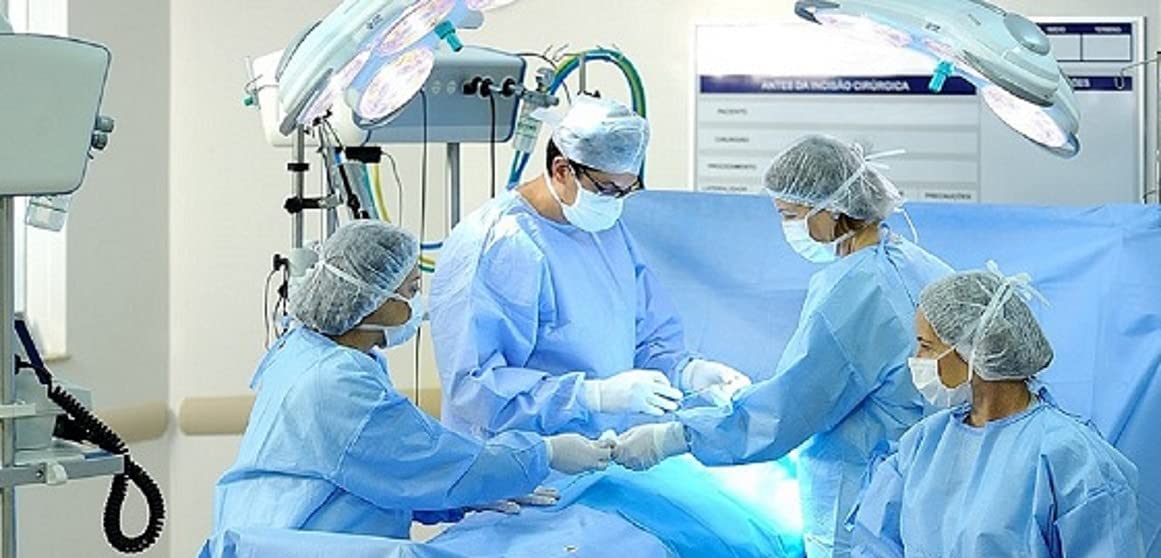
Medical and Hospital
Surgical drapes: SMS (35-50 gsm)
Isolation gowns: PP+PE (40-65 gsm)
Face masks: Meltblown PP (20-30 gsm)
Bed sheets: PP Spunbond (25-40 gsm)
Patient Care
Underpads: Airlaid with PE film (100-150 gsm)
Bed protection: PP+PE (30-50 gsm)
Incontinence products: Airlaid (80-120 gsm)
Food Service
Aprons: PE film (20-35 gsm)
Table covers: PP or PE (30-50 gsm)
Cost Savings Tips
Buy in bulk to save money:
PP: Save 15-20%
SMS: Save 12-18%
PE: Save 18-25%
Biodegradable: Save 8-12%
Order more to get better prices. Plan ahead and buy what you need for 3-6 months.
Environmental Impact
Think about what happens after use:
Regular Plastic Materials
Take 20-100 years to break down
Stay in landfills forever
Can make microplastics
Biodegradable Options
Break down in 6 months to 2 years
Can be composted
Better for Earth
Cost 2-4 times more
The biodegradable market is growing fast. It was $5 billion in 2020 and will reach $28 billion by 2028.
Quality Checks
Good materials need testing:
Must test:
Strength: How hard to tear
Water resistance: How much water it stops
Bacteria filtering: For medical use only
Safety: No harmful chemicals
Defect rates (how often problems happen):
PE Film: 0.5-1.0% (best)
PP Spunbond: 0.8-1.5%
SMS: 1.2-2.0%
Biodegradable: 2.0-4.0% (needs improvement)
Questions to Ask Suppliers
Before you buy, confirm:
What size do you need?
What weight works best?
What color do you want?
How much will you order?
When do you need it?
Do you need special testing?
What packaging do you want?
Future Trends
New materials are coming:
Smarter materials with sensors
Stronger biodegradable options
Nano-technology for better filtering
Lower costs for eco-friendly materials
Final Thoughts
The right material choice depends on your specific needs. PP nonwoven works for basic jobs. SMS is best for medical use. PE film stops water completely. Biodegradable materials help the Earth but cost more.
Always test samples before buying large amounts. Work with good suppliers. Ask questions. Make sure the material does what you need.
Pick the material that balances cost, performance, and your goals. The right choice keeps people safe and saves money.


