



One failed food safety audit costs more than a full year's supply of disposable kitchen hats for your entire team. That's not a scare tactic. It's a simple financial fact that every food business owner, operations manager, and procurement officer needs to understand.
You're probably reading this because you're weighing the disposable kitchen hat cost per unit against your budget. Smart. But here's the thing - most food businesses calculate this wrong. They compare unit price to unit price and stop there. That's the wrong math.
This article gives you the full picture. The real numbers. The real risks. And the right way to make this decision for your commercial kitchen, food processing plant, catering operation, or bakery.
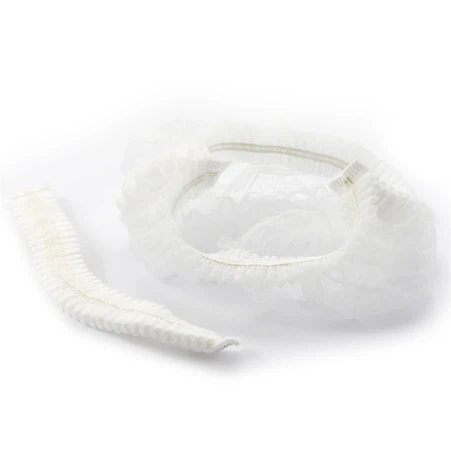
The Hidden Cost of Skipping Proper Kitchen Headwear
Hair contamination in food isn't just a hygiene problem - it's a business continuity problem.
Physical contamination from a single hair foreign body can trigger a product recall. Microbial contamination from scalp bacteria causes foodborne illness liability. Cross contamination from handler-to-food pathogen transfer means a failed HACCP Critical Control Point - and that means regulators at your door.
Here's what non-compliance actually costs your food business:
Product recall: Average cost exceeds $10 million for a mid-size food brand (FDA data)
Failed food safety audit: Facility shutdown, re-inspection fees, lost contracts
Foodborne illness lawsuit: Legal costs, settlements, permanent brand damage
Lost certification: BRC Global Standard, SQF, and GFSI buyers drop non-compliant suppliers fast
Skipping proper food grade disposable headwear to save pennies per shift is like removing the smoke detectors in a restaurant to cut the maintenance budget. The saving is real. The risk is catastrophic.
Disposable vs. Reusable: What the Real Numbers Say
Most food operators compare the unit price of a disposable kitchen hat to the purchase price of a reusable one - and stop there. That's the wrong calculation.
The right framework is Total Cost of Ownership (TCO). Here's what it actually looks like:
| Cost Factor | Disposable Kitchen Hat | Reusable Kitchen Hat |
|---|---|---|
| Unit purchase cost | $0.03–$0.15 per hat | $3–$8 per hat |
| Laundry cost per cycle | $0 | $0.50–$2.00 per wash |
| Replacement frequency | Every shift | Every 50–100 washes |
| Cross contamination risk | Eliminated each use | Accumulates with reuse |
| Staff compliance rate | High - fresh hat is easy | Lower - laundering required |
| Food safety audit burden | Low | Medium–High |
| True cost per use | $0.03–$0.15 | $0.56–$2.08+ |
Consider this real-world scenario. A food processing plant running three shifts with 50 staff uses roughly 150 hats per day. At $0.08 per hat, that's $12 per day - or $4,380 per year. The laundry cost reusable chef hat calculation at the same facility typically exceeds $8,000 annually.
That said, if your facility already has industrial laundry infrastructure, the numbers shift slightly. However, the microbial contamination risk from reusable hats remains constant regardless of laundering quality.
PP, SMS, or Spunlace: Which Material Gives You the Best Balance?
The material your kitchen hat is made from is the single biggest lever you have over both cost and hygiene performance. Most buyers never look past the price tag.
| Property | PP Non-Woven | SMS Non-Woven | Spunlace Non-Woven |
|---|---|---|---|
| Breathability | Medium | High | Highest |
| Barrier Protection | Basic | Strong | Medium |
| GSM Range | 15–30 GSM | 25–50 GSM | 40–70 GSM |
| Fluid Resistance | Low | High | Low–Medium |
| Cost Level | Lowest | Medium | Medium–High |
| Best ROI Setting | Low-risk catering | Food processing, meat, dairy | Long-shift hospital kitchen |
GSM - grams per square meter - is the number most buyers ignore. Think of it as the fabric's weight. A 20 GSM polypropylene (PP) non-woven hat costs less per unit but offers basic barrier protection. A 45 GSM SMS (Spunbond-Meltblown-Spunbond) hat costs more - but in a meat processing plant or dairy production facility, it's the difference between passing and failing a BRC audit.
Spunlace non-woven is the softest option. It's best for long-shift comfort in hospital kitchen settings where staff wear hats for eight hours straight.
The full range of disposable bouffant caps covers most food processing and catering needs - from lightweight pleated chef cap options to heavy-duty SMS non-woven styles built for food production hygiene audit environments.
What Food Safety Regulations Actually Require
Regulatory non-compliance isn't a hygiene problem - it's a business continuity problem.
| Region | Regulation | Headwear Requirement |
|---|---|---|
| 🇺🇸 USA | FDA 21 CFR Part 117 / USDA FSIS | Effective hair restraint food service mandatory |
| 🇪🇺 EU | EC 852/2004 | Personal cleanliness including headwear |
| International | ISO 22000 / HACCP | Documented physical contamination control |
| Certification | BRC / SQF / GFSI | Headwear policy mandatory for certification |
| 🇦🇺 ANZ | FSANZ Standard 3.2.2 | Practical measures to prevent food contact |
GMP (Good Manufacturing Practice) and ServSafe food handler training programs both include headwear compliance as a core requirement. NSF International certification also reinforces these standards at a facility level.
The math is simple. Disposable kitchen hats cost cents per shift. A failed food safety audit headwear inspection costs thousands. There is no credible business case for skipping them.
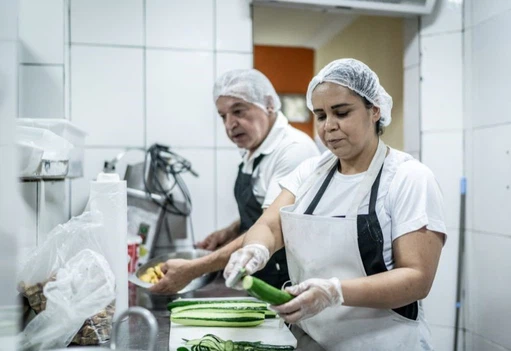
Matching Hat to Facility: The Decision Matrix
Overspending on kitchen headwear is a real problem - but so is underspending. The right hat for your facility is the one that meets your hygiene standard at the lowest defensible cost.
| Facility Type | Recommended Style | Material | GSM | Hygiene Priority |
|---|---|---|---|---|
| Restaurant Kitchen | Peaked or Flat Top | PP Non-Woven | 20–30 GSM | Basic compliance |
| Catering / Events | Pleated Bouffant | PP Non-Woven | 15–25 GSM | High volume, low risk |
| Bakery | Bouffant Cap | SMS Non-Woven | 25–40 GSM | Flour dust + hair |
| Meat Processing | Hair Net + Bouffant | SMS Non-Woven | 35–50 GSM | Maximum containment |
| Dairy Production | Bouffant Cap | SMS Non-Woven | 30–45 GSM | Hygiene-critical |
| Hospital Kitchen | Bouffant or Spunlace | Spunlace | 40–60 GSM | Long shift comfort |
| Food Packaging Line | Bouffant Cap | SMS Non-Woven | 35–50 GSM | Product contact zone |
| Cold Storage | Balaclava Hood | PP or SMS | 30–45 GSM | Full coverage |
| Clean Room / Pharma | Balaclava Hood | SMS Non-Woven | 40–60 GSM | Maximum barrier |
| School Canteen | Pleated Cap | PP Non-Woven | 15–25 GSM | Basic compliance |
| Fast Food Kitchen | Bouffant or Peaked | PP Non-Woven | 20–30 GSM | High turnover |
| Hotel Kitchen | Peaked Chef Hat | PP or Spunlace | 25–40 GSM | Professional + compliant |
When in doubt, go one material grade up. The cost difference per hat is cents. The food safety audit risk difference is not.
For clean room food production and pharmaceutical food grade environments needing full head and neck coverage, the disposable balaclava hood provides maximum barrier performance against hair contamination food risks.
Smart Procurement: How to Cut Cost Without Cutting Corners
Most food businesses overpay for disposable kitchen hats - not because the hats are expensive, but because they buy them wrong.
Here are five smart moves that reduce your food service headwear total cost of ownership without compromising kitchen hygiene standards:
- Buy on GSM, not just price - Request actual tested fabric weight GSM from your supplier, not nominal spec. A hat listed as 25 GSM that tests at 18 GSM is not the hat you ordered.
- Consolidate your headwear SKUs - Most facilities run 3–4 different hat styles when 1–2 would cover all settings. Consolidation drives wholesale kitchen cap cost savings and simplifies disposable headwear inventory management.
- Negotiate volume pricing tiers - Bulk disposable kitchen hat pricing drops significantly at 10,000+ unit orders. Annual supply agreements lock in pricing and eliminate spot-buy premiums.
- Demand food grade certification - GMP compliance and food contact surface safety certification are non-negotiable. A confident kitchen hat supplier provides this without hesitation.
- Run a sample program first - Never place a kitchen hat bulk order without testing samples on your team. Check fit, comfort, elastic durability, and actual GSM.
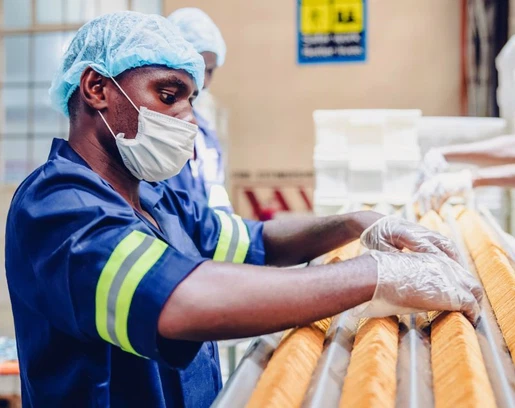
Eco-Friendly Options: When Sustainability Becomes a Business Requirement
Sustainability used to be a marketing angle. For food businesses supplying major retailers, it's becoming a contract requirement.
Here's what's available right now in eco-friendly disposable kitchen hat options:
PLA (Polylactic Acid) biodegradable kitchen hats - compostable, plant-based, 15–30% cost premium
Recycled PP non-woven - reduced virgin plastic, growing retailer acceptance
Ecocert certified food-grade headwear - verified sustainable sourcing
Low GSM lightweight options - less material per unit means lower low carbon food service hat supply footprint
That said, biodegradable food service cap business options currently cost 15–30% more per unit than standard PP. For a high-volume food processing hygiene control operation, that's a real number. For a premium hotel kitchen or a retailer-facing catering brand, it may be a necessary investment in sustainable food industry PPE.
The disposable plastic gloves range - including PE (polyethylene) and CPE (chlorinated polyethylene) options - rounds out a complete green kitchen headwear procurement kit alongside eco-conscious headwear choices.
The ROI Summary: Numbers That Make the Decision Easy
Here's the business case in plain numbers.
| Scenario | Annual Hat Cost | Risk Avoided | ROI |
|---|---|---|---|
| 50-staff food processing plant, 3 shifts | ~$4,380/year | Product recall ($10M+), audit failure | Extreme positive |
| 20-staff restaurant kitchen | ~$876/year | Food safety inspection failure, closure | Strong positive |
| 10-staff catering operation | ~$219/year | Contract loss, hygiene violation fine | Strong positive |
| Hospital kitchen, 30 staff | ~$2,628/year | Foodborne illness liability, CQC failure | Extreme positive |
At $0.03–$0.15 per hat, disposable kitchen hat ROI is one of the clearest in all of food facility PPE budget planning.
Frequently Asked Questions
- Are disposable kitchen hats required by law?
Yes - in most countries. FDA 21 CFR Part 117, EU EC 852/2004, and FSANZ Standard 3.2.2 all require effective hair restraint food service for food handlers.
- What is the cheapest disposable kitchen hat that still meets food safety standards?
A 15–25 GSM PP non-woven bouffant cap or pleated chef cap meets basic food safety regulation kitchen headwear requirements for low-risk catering environments under FDA and EU rules.
- What GSM should a disposable kitchen hat be?
Low-risk catering: 15–25 GSM PP. Standard kitchen: 25–35 GSM. Food processing and meat handling: 35–50 GSM SMS non-woven.
- How often should disposable kitchen hats be changed?
HACCP best practice requires a fresh hat at the start of each shift, after breaks, and immediately after any contamination event.
- Is SMS or PP better for food processing?
SMS non-woven is the better choice. Its three-layer spunbond-meltblown-spunbond construction provides superior barrier protection against hair, bacteria, and fluid in food processing plant environments.
The Bottom Line
Every disposable kitchen hat your facility uses is a documented, auditable control measure against physical contamination, microbial contamination, and regulatory non-compliance - at a cost of cents per shift.
Three decisions sum it all up:
Choose PP for low-risk, high-volume catering and restaurant kitchen disposable hat settings - lowest cost, basic compliance
Choose SMS for food processing plant kitchen cap, meat, dairy, and high-hygiene production lines - best cost-hygiene balance
Choose Spunlace for long-shift comfort in hospital kitchen hygiene cap and premium food service - highest comfort ROI
Ready to find the right hat for your facility? The full caps collection gives you every style - from basic pleated chef cap options to full balaclava hood coverage for clean room food production - all in one place. Request samples before your next bulk order. A confident supplier will always say yes.


